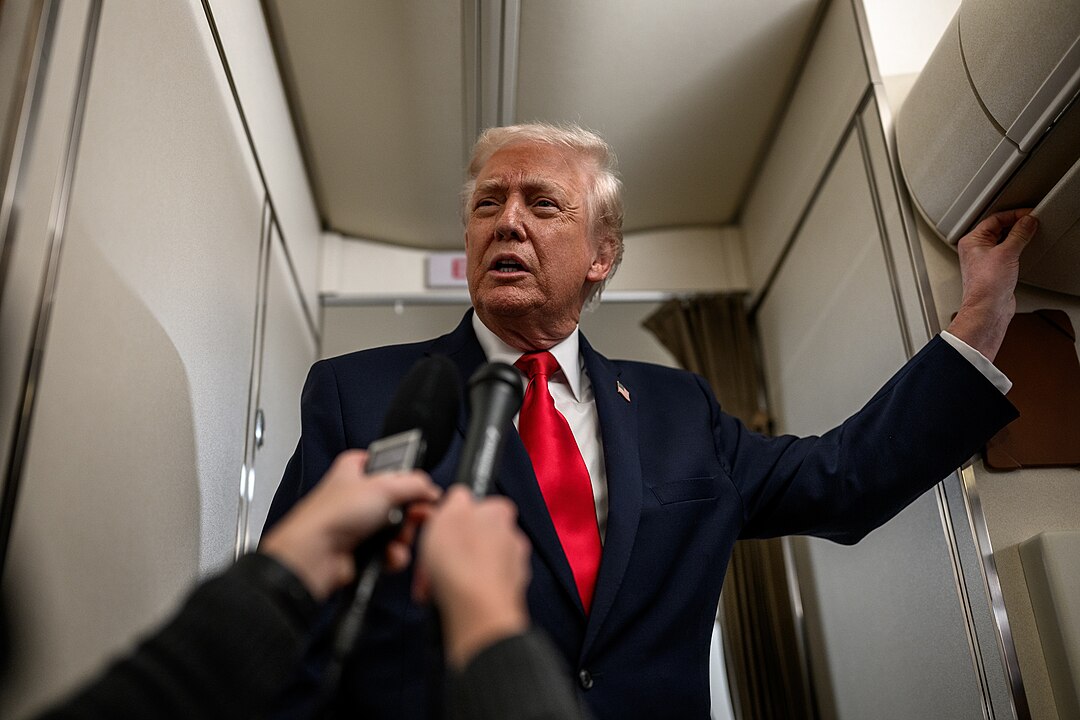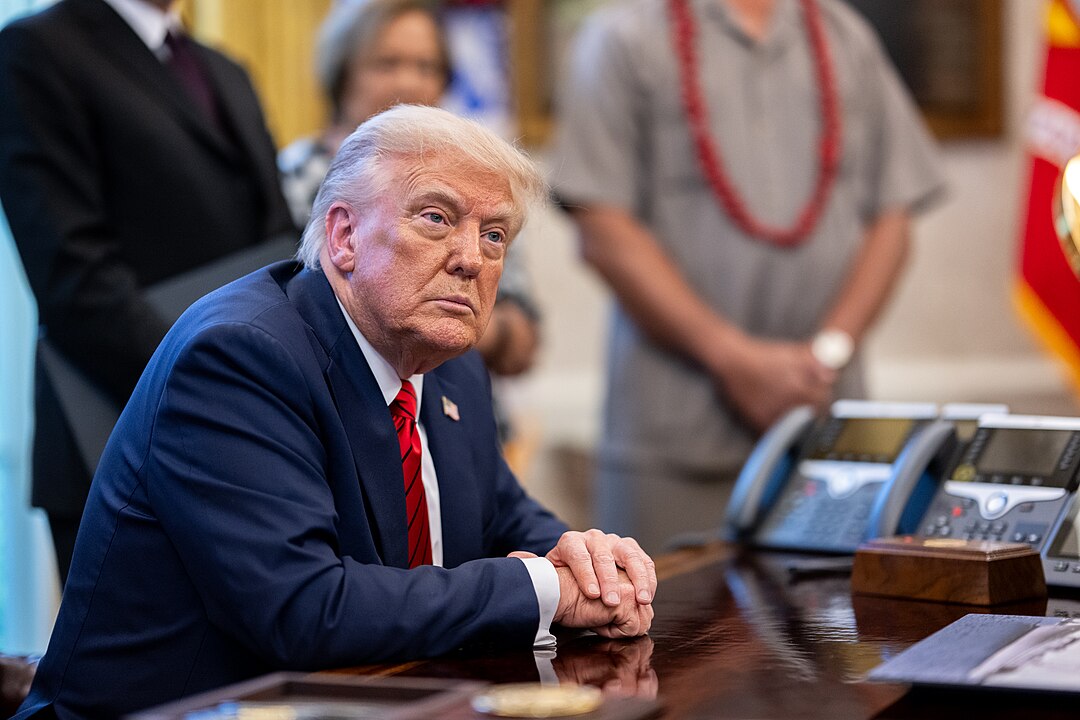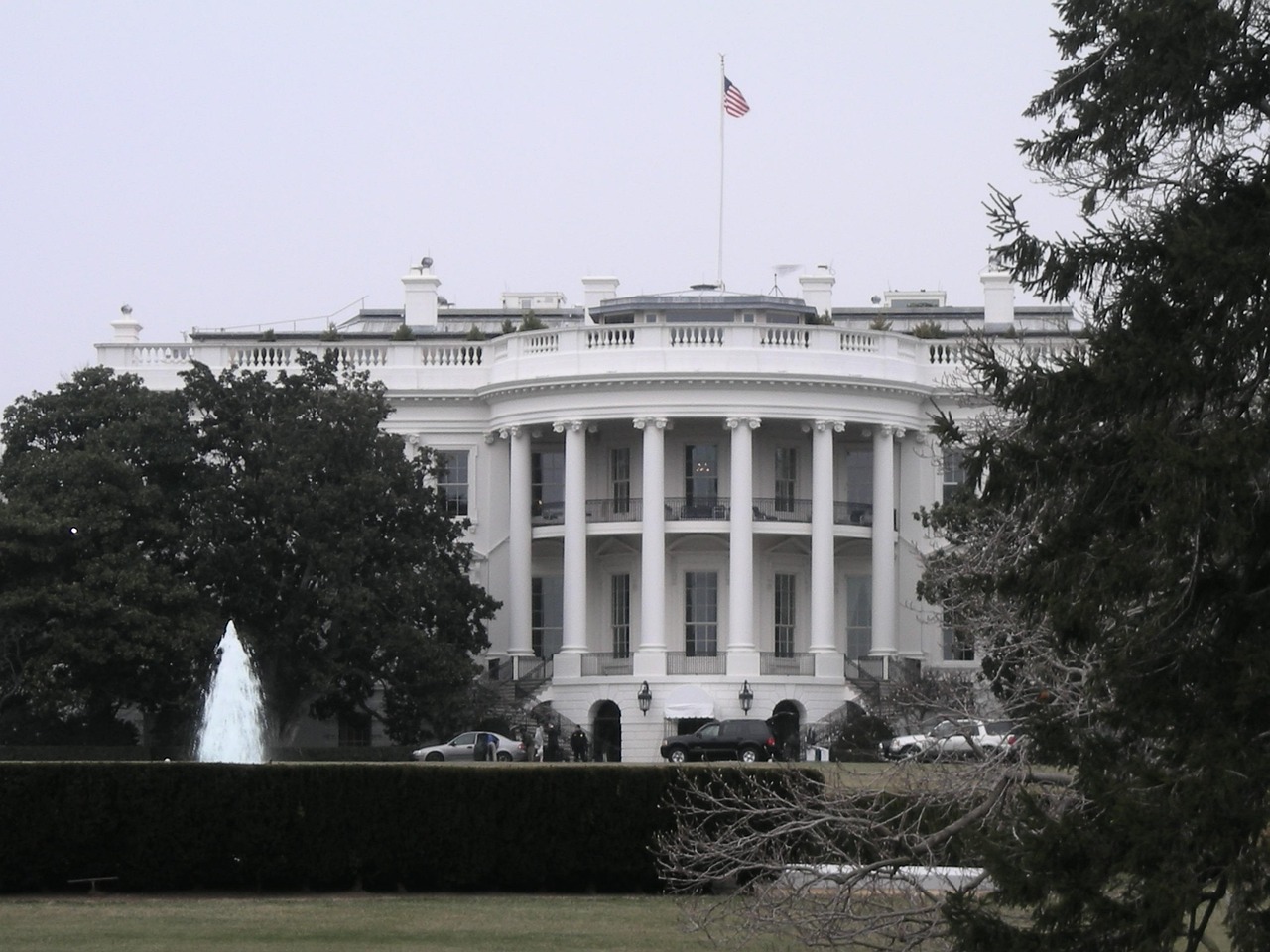
WASHINGTON — The White House this week marked one year since President Donald J. Trump returned to office, releasing a sweeping “365 wins” list that it says reflects the administration’s accomplishments across immigration enforcement, public safety, the economy, foreign policy, government reform, and energy production.
In a statement, the White House said Trump entered his second term with a mandate to “restore prosperity, secure the border, rebuild American strength, and put the American people first.” The release argues the administration has delivered “transformative results” during its first 365 days and says the pace of action is continuing.
Border enforcement and immigration at the center
The press release places immigration and border policy at the top of the administration’s first-year agenda, highlighting what it describes as a reversal of long-running migration trends.
Among the headline claims: the White House says the U.S. achieved “negative net migration in 2025,” along with a sharp drop in illegal crossings and drug trafficking activity at the southern border. The administration also says it has carried out large-scale removals through deportations and “voluntary self-departures,” including hundreds of thousands of individuals who were charged with or convicted of crimes.
The administration says it declared a national border emergency on its first day in office and deployed both National Guard and active-duty military personnel to support enforcement. The White House also said border wall construction resumed, including projects in the El Paso area and the Rio Grande Valley.
Other immigration-related actions listed include reinstating the “Remain in Mexico” policy, revoking visas tied to fraud or national security concerns, and pausing visa processing for dozens of countries pending expanded vetting.
The statement also highlights interior enforcement activity in “sanctuary” jurisdictions, along with moves to restrict access to federal benefits and remove individuals from Social Security rolls it says were not eligible.
Crime and drug enforcement efforts highlighted
On public safety, the White House claims the country experienced the “largest one-year decline in homicides” in U.S. history and reported broad reductions in violent crime categories such as robberies and aggravated assaults.
The release also points to federal task forces in major cities including Washington, D.C., Memphis, Chicago, and New Orleans, describing arrests, firearm seizures, and reductions in murders and shootings.
On drugs, the administration claims a significant reduction in fentanyl trafficking at the southern border and a year-over-year decline in overdose deaths, while also noting it designated fentanyl as a weapon of mass destruction to help dismantle trafficking networks.
Economic messaging focuses on inflation, wages, and investment
The White House release makes several claims about economic performance, including lower gas prices, an increase in private-sector jobs, and improved wage growth for blue-collar workers.
It also highlights inflation and interest rates, arguing that inflation has moderated and that mortgage rates have improved compared with earlier levels. The administration additionally touts a “historic stock-market rebound” and says major indices reached repeated record highs.
The White House also pointed to tax policy accomplishments, including what it calls the “Working Families Tax Cut,” along with campaign pledges such as “No Tax on Tips,” “No Tax on Overtime,” and “No Tax on Social Security.”
On trade, the administration claims tariff enforcement has lowered the trade deficit and increased revenues, while also supporting reshoring efforts and a large volume of new domestic investment.
Foreign policy: ceasefire frameworks and expanded alliances
On the international front, the White House says the Trump administration brokered or helped secure a series of ceasefires and peace agreements, including in the Middle East and between multiple regional rivals.
The list includes efforts related to Israel and Hamas, Israel and Iran, and discussions around the Ukraine–Russia war, along with a range of other diplomatic breakthroughs the administration describes as “brokered peace” or “normalization” deals.
The White House also highlights renewed “maximum pressure” on Iran, maritime security actions in the Red Sea, and agreements involving NATO defense spending targets.
Government reforms and cultural issues
The press release also emphasizes what it describes as major government efficiency efforts, including contract terminations, agency restructuring, and reductions in federal regulatory activity.
Several items focus on cultural and social policy initiatives, including eliminating DEI offices and hiring preferences across the federal bureaucracy, changing federal policy language on sex and gender, and limiting federal support for gender-transition procedures for minors.
Other listed actions include a push to return more federal employees to in-office work, moves tied to election integrity policies, and the release of previously classified records related to high-profile historical events.
Energy production and deregulation
In its energy section, the administration highlights an early “National Energy Emergency” declaration, expanded drilling and leasing approvals, and record domestic oil and natural gas production claims.
The White House also says the U.S. set a new LNG export record and accelerated permitting processes for energy and critical minerals projects. It cited rollbacks of Biden-era fuel economy and greenhouse gas regulations, along with actions affecting offshore wind development and federal land access.
Health care: drug prices and “Make America Healthy Again” agenda
The release includes several health-related initiatives, including a “Most Favored Nation” approach to drug pricing and changes to nutrition policy in schools. It also lists steps tied to vaccines, food dyes, infant formula supply, and medical research, as well as an executive action reclassifying marijuana to Schedule III.