Sen. Markwayne Mullin (OK) appeared before the Senate Homeland Security and Governmental Affairs Committee on Wednesday morning for a high-stakes confirmation hearing, as the chamber considers the Oklahoma Republican’s nomination to replace embattled Department of Homeland Security Secretary Kristi Noem.
Mullin’s nomination comes at a turbulent moment for the department. DHS is now in the 33rd day of a shutdown, the result of a prolonged impasse in Congress over funding for its immigration enforcement operations. The stalemate has intensified scrutiny on the agency and added urgency to efforts to install new leadership following months of criticism directed at Noem.
The hearing quickly turned contentious. Sen. Rand Paul (KY) opened by confronting Mullin over past remarks, accusing him of calling Paul a “freaking snake” and saying, “I understand why his neighbor did what he did,” referencing a 2017 incident in which Paul was attacked and seriously injured by a neighbor. Mullin pushed back, responding that “it seems like you fight Republicans more than work with us.”
Despite the heated exchange, Mullin’s path to confirmation appears relatively smooth. Democrat Sen. John Fetterman (PA) has already announced he will support the nomination, a key signal of bipartisan backing that could help ensure Mullin advances out of committee even without Paul’s support.
The broader political fight surrounding DHS remains unresolved. Democrats have resisted approving additional funding for Immigration and Customs Enforcement (ICE) and Customs and Border Protection (CBP) without significant reforms, particularly in the wake of two deadly shootings involving federal agents in Minneapolis in January. Negotiations between Senate Democrats and the White House have continued in recent weeks, but a breakthrough appears distant.
Senate Minority Leader Chuck Schumer (NY) underscored the depth of Democrats concerns, saying, “the rot in ICE is deep.”
“It’s not one person — it goes deep within it. And what we need is not changing the personnel, but changing the law,” Schumer said. “That’s what Democrats are for.”
Still, Mullin enters the process with notable advantages. He is widely viewed as having strong relationships across the aisle, a factor Republican leaders believe will help secure his confirmation. Senate Majority Leader John Thune (SD) expressed optimism that Mullin could attract Democratic votes.
“He’s got good, strong relationships on the other side of the aisle,” Thune said. “And I mean, this is what the Democrats were clamoring for. They wanted a new change and shake up in the leadership, and it’s now happening.”
Thune added that he “can’t imagine” Democrats would “turn on one of their colleagues in the Senate, who I think has done a pretty good job in his time here of really building relationships on the other side.”
The Homeland Security Committee is expected to move quickly, with a vote to advance Mullin’s nomination potentially coming as soon as Thursday. If approved, the nomination would head to the full Senate, where Mullin needs only a simple majority to be confirmed. With Republicans holding 53 seats, his confirmation is likely.
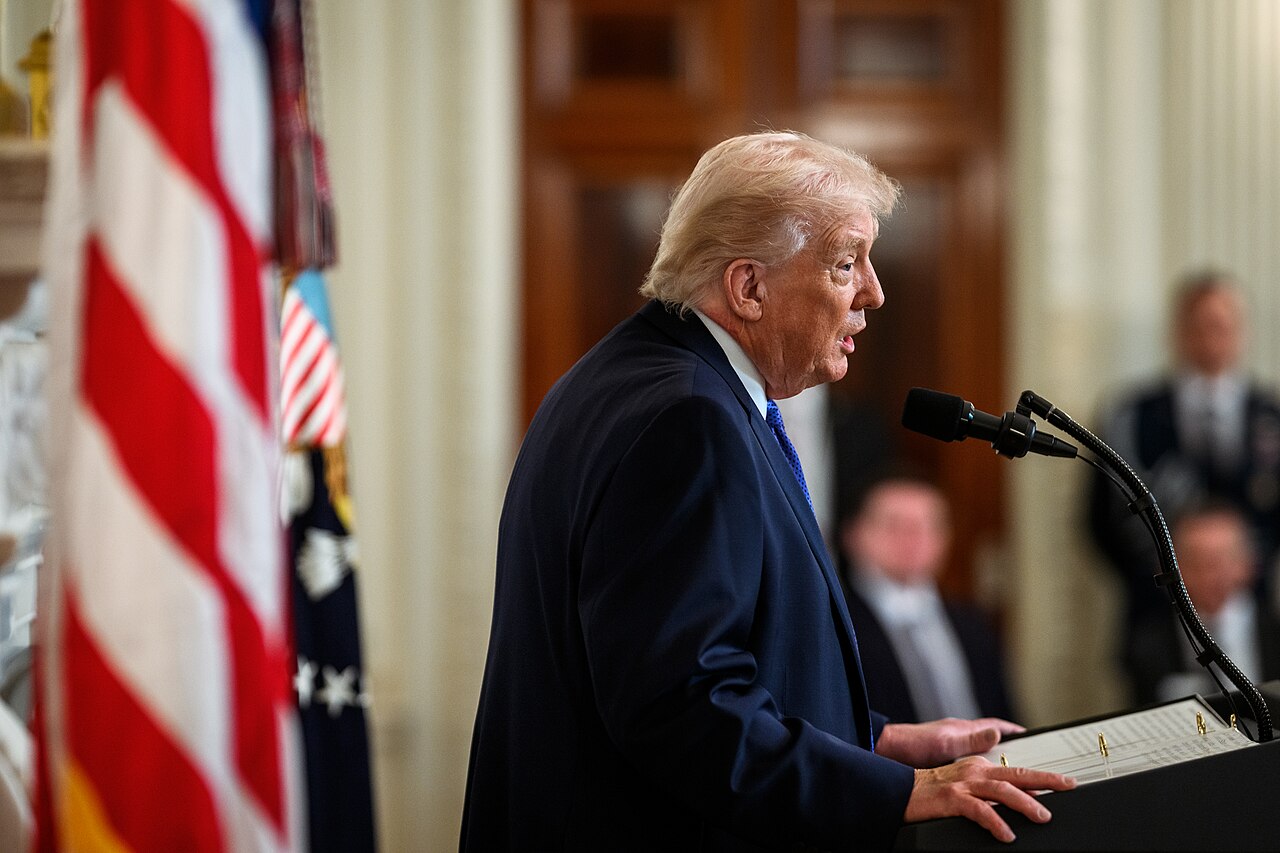
Former President Donald Trump, who nominated Mullin, said Kristi Noem will remain in her position until March 31 as the transition unfolds.
As the confirmation process moves forward, Mullin’s leadership will be closely watched—not only as a test of bipartisan cooperation in the Senate, but as a potential turning point for a department mired in political conflict and operational uncertainty.