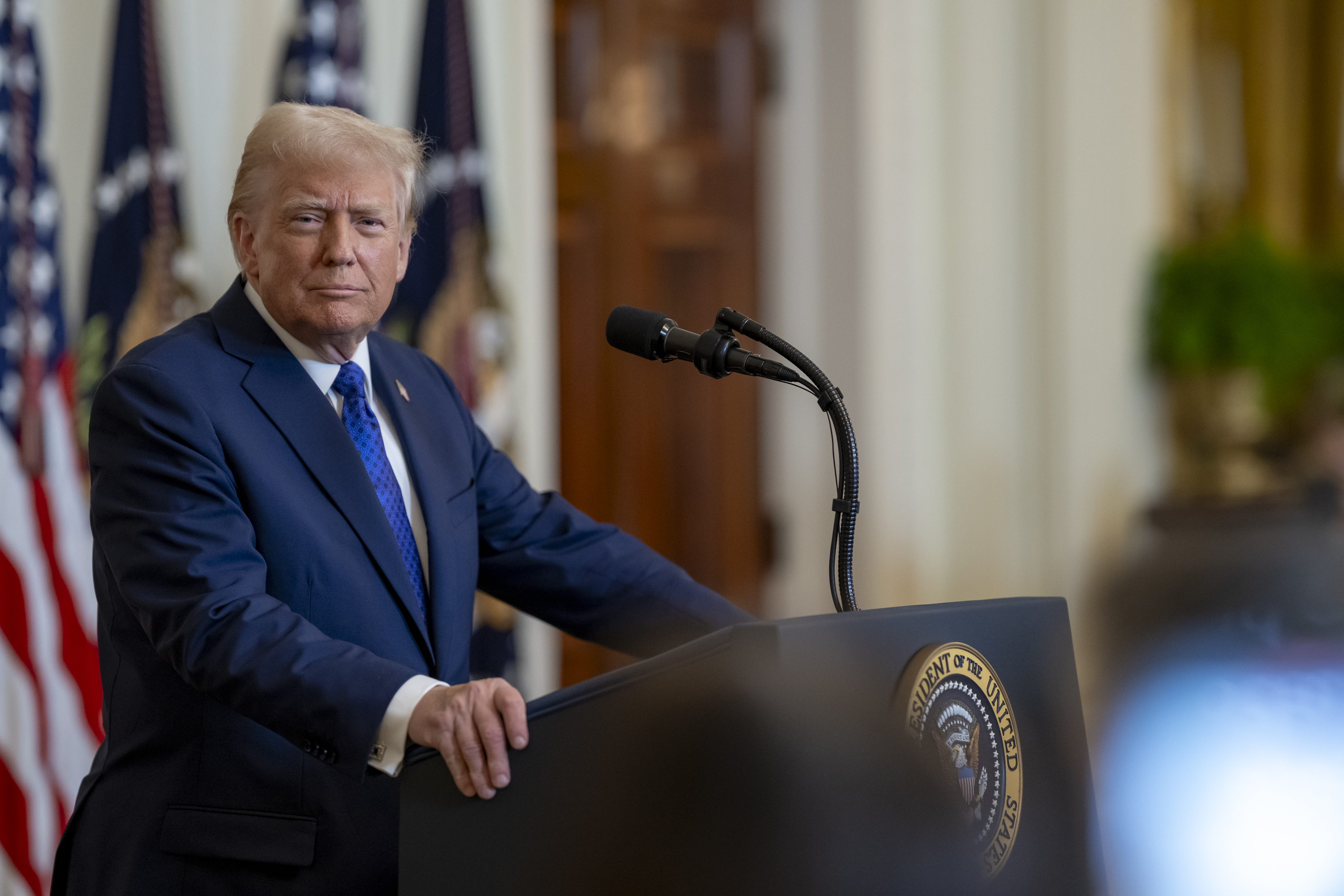
President Donald Trump on Tuesday announced a two-week ceasefire framework with Iran, signaling a dramatic shift from recent threats of escalation and raising hopes for broader diplomatic progress in the region.
The agreement, which Trump accepted at the last minute, comes after days of heightened tensions in which he had warned he could “wipe out” the entirety of Iran’s “civilization” if the regime failed to comply with U.S. demands. Instead, the ceasefire is now being framed as a potential stepping stone toward longer-term peace.
CNN senior international correspondent Frederik Pleitgen, who reported from inside Iran during the conflict, reacted to the announcement by calling the deal “major” and suggesting it “could pave the way for a long term peace.” He also urged recognition for those involved in brokering the agreement, saying the “world” should “thank” special envoy Steve Witkoff and Pakistani mediators for facilitating the breakthrough.
Pleitgen’s remarks quickly drew backlash from some liberal commentators, who described his call to “thank” Witkoff as “bizarre.” At the same time, Pleitgen had already faced criticism from Trump supporters during his time in Iran, where he became the first major network journalist granted access by the regime amid ongoing U.S. and Israeli strikes. Assistant Secretary of State for Global Public Affairs Dylan Johnson had previously dismissed his reporting as “pro-Iran regime propaganda.”
While in Tehran, Pleitgen delivered on-the-ground coverage and conducted a high-profile interview with Kamal Kharazi, a foreign policy advisor to the office of Iran’s Supreme Leader.
The ceasefire announcement has also been accompanied by unexpected signals of potential cooperation between Washington and Tehran. In an interview with ABC News chief Washington correspondent Jonathan Karl on Wednesday, Trump floated the idea of a joint U.S.-Iran initiative to oversee security in the Strait of Hormuz, a vital global shipping route.
“We’re thinking of doing it as a joint venture. It’s a way of securing it – also securing it from lots of other people,” Trump said. “It’s a beautiful thing.”
The proposal emerged after Karl asked whether the U.S. would allow Iran to impose tolls on vessels passing through the strategically critical waterway, through which a significant portion of the world’s oil supply flows.
Trump indicated that formal peace talks could begin as early as Friday and suggested negotiations might move quickly. However, he maintained a hardline stance on Iran’s nuclear program, stating, “There won’t be any enrichment,” a demand Iran has consistently rejected.
The ceasefire has raised cautious optimism among observers, even as sharp disagreements remain. Whether the two-week pause leads to a durable agreement—or merely a temporary reprieve—will likely depend on the outcome of the upcoming negotiations.