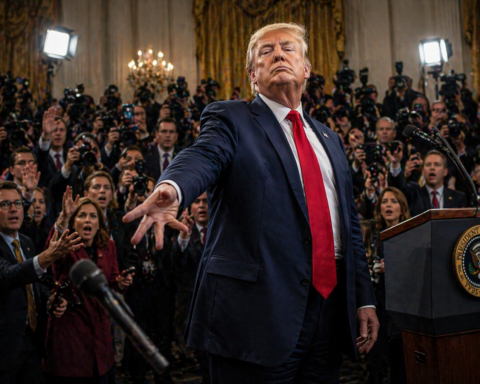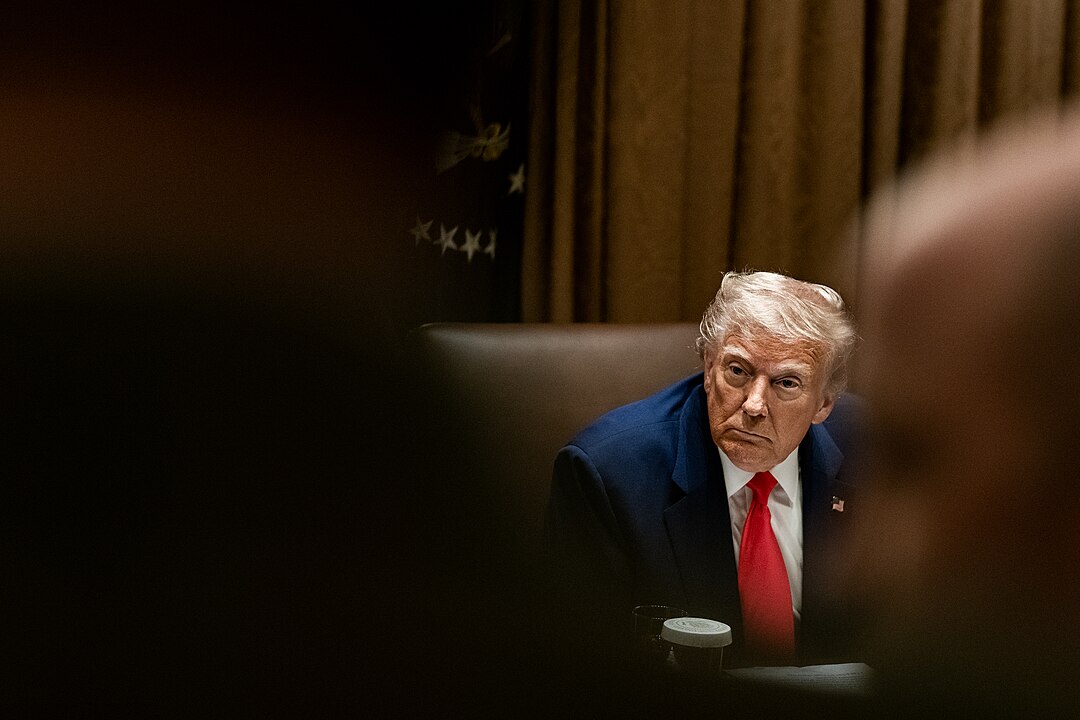
President Donald Trump announced Thursday evening that he has canceled planned U.S. military strikes against Iran, signaling a sudden shift from escalation toward diplomacy after days of heightened tensions in the Middle East.
In a statement posted on Truth Social, Trump said discussions with the Islamic Republic had reached the highest levels of Iran’s leadership and resulted in what he described as a broadly approved framework for a potential agreement.
“Based on the fact that discussions with the Islamic Republic of Iran have been brought to the highest level of Iranian leadership and approved, I have, as President of the United States of America, cancelled the scheduled strikes and bombings against Iran this evening,” Trump wrote.
The announcement comes after U.S. forces reportedly carried out strikes against Iranian targets on Tuesday and Wednesday, while administration officials warned that additional military action remained on the table. Earlier Thursday, Trump himself suggested further strikes could occur before the end of the day.
Instead, the president now claims negotiators have achieved consensus on key elements of a broader arrangement involving not only the United States and Iran, but several major regional stakeholders.
According to Trump, the framework has been approved “in both concept and great detail” by the United States, Israel, Saudi Arabia, the United Arab Emirates, Qatar, Turkey, Pakistan, Bahrain, Kuwait, Jordan, and Egypt.
Few details about the proposed agreement have been released publicly, and as of Thursday evening, independent confirmation from Iran or the other governments involved remained limited.
Despite halting the planned strikes, Trump made clear that Washington is maintaining significant leverage over Tehran. He said the U.S. naval blockade imposed in April will remain in effect until negotiations are completed and a final agreement is signed.
“The Naval Blockade will remain in full force and effect until this Transaction is finalized,” Trump stated.
The decision marks a potentially significant turning point in a crisis that appeared to be moving rapidly toward a broader military confrontation. It also raises important questions about the substance of the reported agreement, the concessions under discussion, and whether Tehran is prepared to make binding commitments that could satisfy both Washington and its regional partners.
For now, the immediate threat of additional U.S. strikes appears to have receded. The next test will be whether negotiators can convert what Trump describes as a preliminary understanding into a durable agreement capable of preventing a return to open conflict.