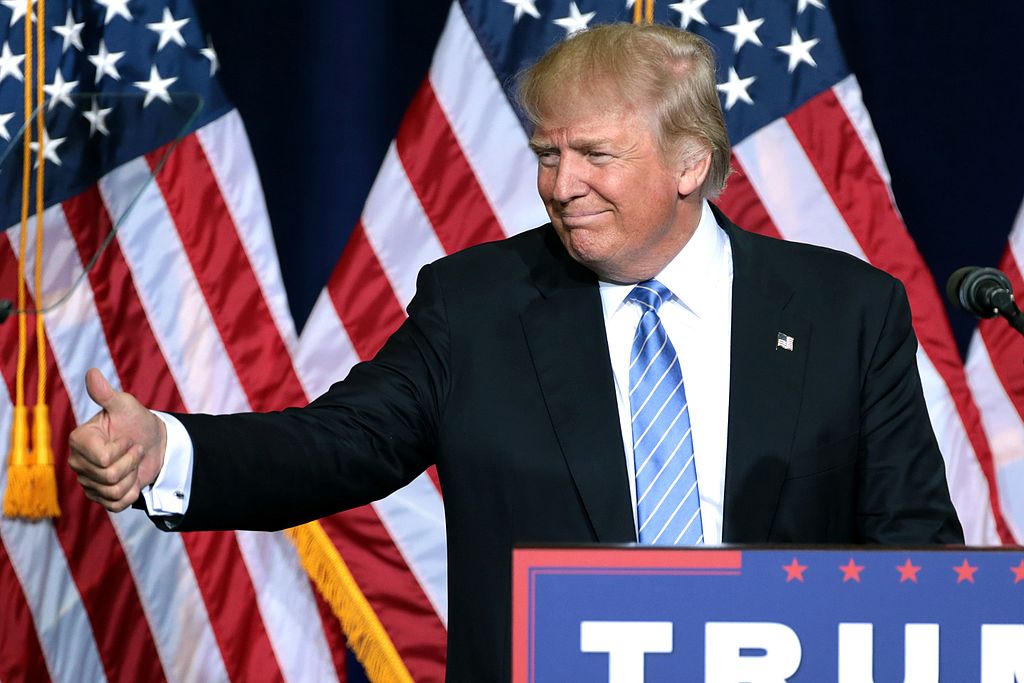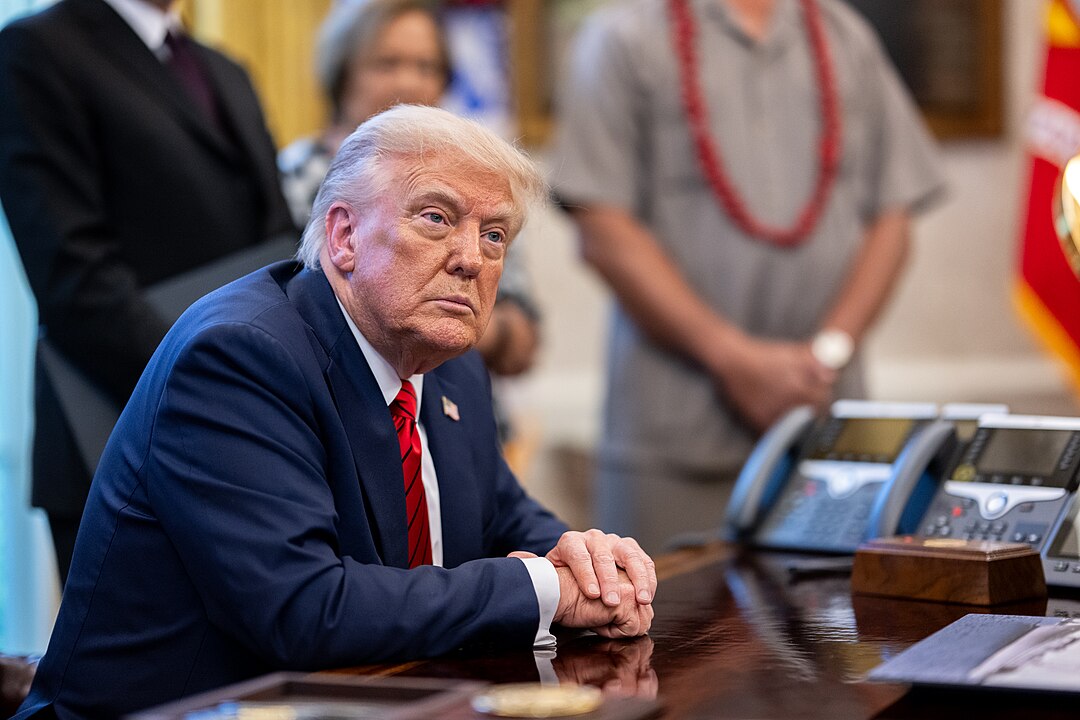
The Trump administration has refunded approximately $100 billion collected through President Donald Trump’s “liberation day” tariffs after the Supreme Court ruled that the White House lacked the authority to impose the duties under emergency economic powers.
U.S. Customs and Border Protection disclosed the figure in a filing with the U.S. Court of International Trade, according to a report from Newsmax citing the Financial Times.
The payments represent roughly 60% of the $165 billion collected under the tariff program. CBP also said it has accepted more than $128 billion in refund claims for processing, signaling that tens of billions of dollars in additional repayments could be coming.
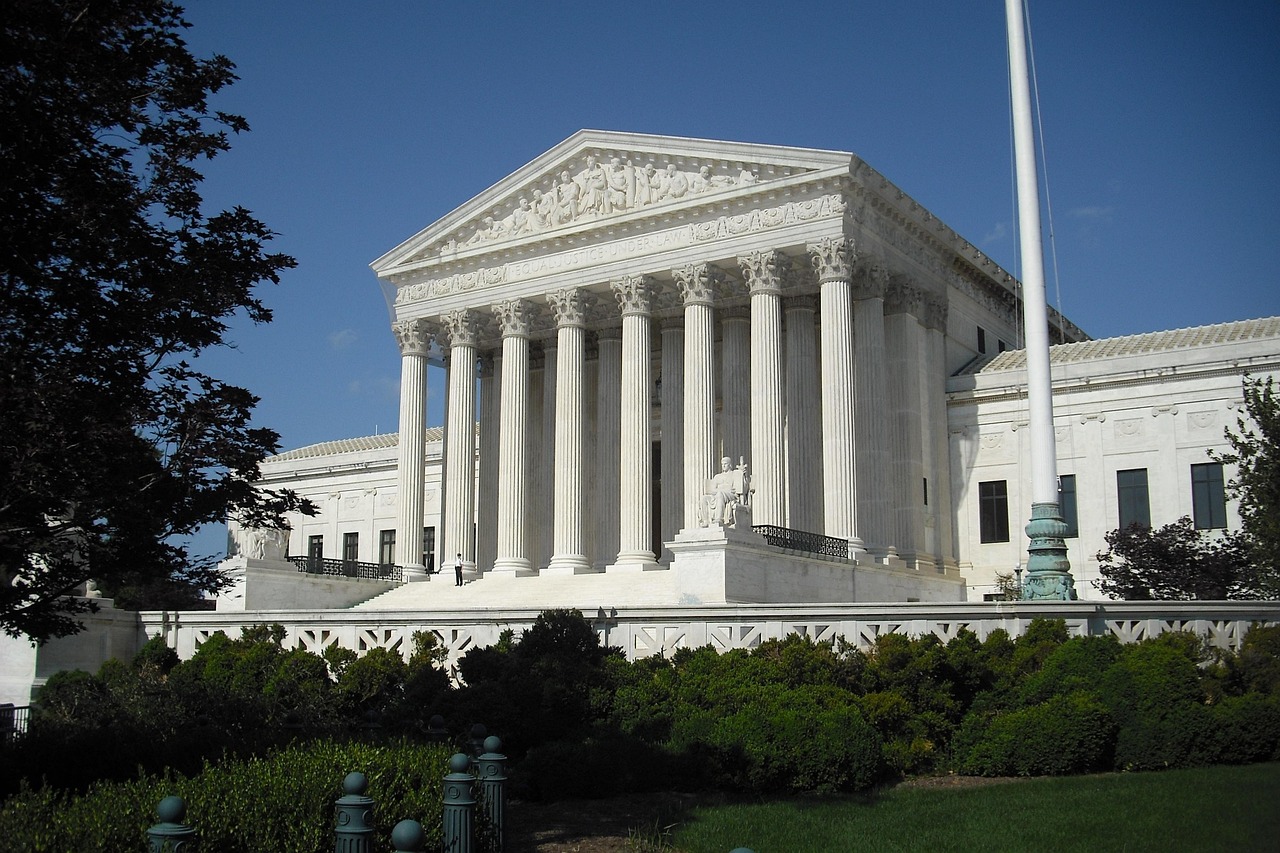
The refunds follow the Supreme Court’s February decision upholding a lower court ruling that blocked the administration from using emergency authorities to impose the sweeping duties. That ruling led to a court order directing CBP to return the money to eligible importers.
The speed of the repayments has surprised trade lawyers and analysts. Administration officials had previously warned that unwinding the tariffs could take years, particularly as legal disputes over the refunds continued.
Trade attorney Ted Murphy of Sidley Austin said the administration has moved quickly to comply with the order. Capstone analyst Walker Livingston similarly said he was “very pleasantly surprised” by the pace of the process.
Treasury Secretary Scott Bessent had suggested in February that any payments would likely be delayed by continued litigation. He also criticized the prospect of returning the tariff revenue, calling the refunds “the ultimate corporate welfare.”
Trump has sharply attacked the Supreme Court’s decision. In a Truth Social post last month, the president claimed the ruling cost the United States “TRILLIONS AND TRILLIONS OF DOLLARS” by invalidating one of the central components of his trade agenda.
The refunds have also sparked a separate political fight over who is receiving the money.
Under the court-ordered system, only the official “importer of record” may submit a claim through CBP. That generally means the refunds are going directly to the companies that imported the affected goods—not necessarily to the consumers or smaller businesses that absorbed higher prices further down the supply chain.
Rep. Greg Casar, D-Texas, argued that Americans who ultimately paid those higher costs should receive the money.
“Trump is sending the ‘refunds’ to the companies, not working people,” Casar said. “Every single cent of these refunds should go back to American consumers.”
Some small businesses may also be excluded from the process. Companies that purchased imported products through distributors could have paid tariff-related price increases without being designated as the importer of record, leaving them unable to file claims directly.
Other businesses reportedly remain unaware that refunds are available or lack the legal and administrative resources needed to navigate the claims process.
Despite the Supreme Court setback, Trump has not abandoned his tariff strategy.
The administration imposed a new round of duties last week using a different legal authority. Those tariffs, ranging from 10% to 12.5%, apply to imports from more than 60 economies.
The replacement measures are already facing at least three legal challenges, including cases brought by attorneys who successfully challenged the original “liberation day” tariffs.
That litigation could determine whether Trump’s revised approach survives where the emergency-based tariff program failed—and whether another multibillion-dollar refund battle is waiting down the road.
For now, the administration is returning tariff revenue much faster than many observers expected.
Sponsored
Stand with President Trump against fraud, waste & abuse – he can’t beat the machine without YOU.