Iranian and Omani officials have spent weeks negotiating new maritime arrangements for the strait, the narrow waterway separating the two countries.
Iranian Foreign Ministry spokesperson Esmail Baghaei said Monday that the two sides had reached “an understanding” concerning the “map of the transit route.”
According to reports, the emerging plan would establish separate routes near Iran and Oman, allowing ships to pass without paying tolls during an interim period.
But Baghaei cautioned that settling on a shipping map would not necessarily mean the strait would immediately reopen. Tehran has linked a full reopening to major concessions from Washington, including an end to the U.S. naval blockade of Iranian ports, sanctions relief, access to frozen assets and compensation for wartime damage.
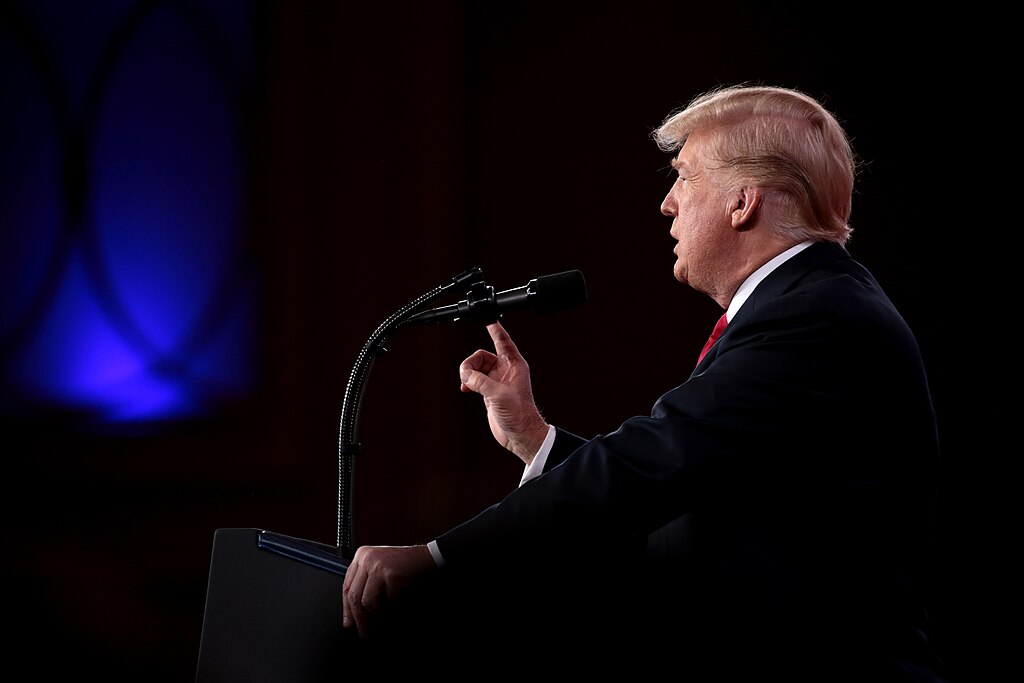
Trump, meanwhile, has demanded concessions of his own. He said last week that Iran should provide reparations to victims of Iranian-backed roadside bombs and to the families of protesters killed by the Islamic Republic.
The conflict is therefore about far more than drawing lines on a maritime chart. Whoever determines the rules for Hormuz gains leverage over Iran, the United States and a significant share of the world’s energy supply.
The World’s Most Dangerous Chokepoint
The Strait of Hormuz is only 29 nautical miles wide at its narrowest point, with two-mile-wide channels carrying inbound and outbound shipping.
Nearly 15 million barrels of crude oil passed through it each day in 2025—approximately 34 percent of global crude-oil trade—according to the International Energy Agency. Including petroleum products, nearly 20 million barrels per day traveled through the strait.
The waterway also handled almost 20 percent of worldwide liquefied natural gas exports.
That makes control of Hormuz an economic weapon. A prolonged disruption would not merely affect the Gulf. It could drive up fuel prices, strain Asian energy markets and send shocks through the global economy.
Washington’s official position is that Iran already committed to protecting commercial shipping. A White House policy statement says the June 17 memorandum of understanding required Tehran to use its “best efforts” to arrange safe passage for commercial vessels.
The administration says Iran violated that commitment by attacking neutral-flagged ships in early July, prompting renewed American strikes on missile sites, air defenses, maritime assets and command infrastructure inside Iran.
Trump Turns Up the Pressure
Monday marked the expiration of the 60-day negotiating period established under the June memorandum.
Trump, however, told Yingst he was “not in a hurry” to finalize a permanent agreement.
“I have no time schedule,” the president reportedly said.
Trump also revealed that his administration maintains a direct back channel with officials inside Iran’s Islamic Revolutionary Guard Corps. Describing the Iranian negotiators, he reportedly added: “They’re good poker players, but they’re dying.”
According to Yingst, Trump said Iran should “put up the white flag of surrender.”
The message was unmistakable: Trump may not be racing against the diplomatic clock, but he wants Iran—and now Oman—to believe the military clock is still ticking.
Not Trump’s First Warning to Oman
The latest threat was not an isolated outburst.
During a Cabinet meeting in May, Trump warned that Oman needed to “behave” or the United States might have to “blow them up,” after reports that Iran and Oman were considering charging ships for passage through Hormuz. Treasury Secretary Scott Bessent later said Omani officials assured Washington that they had no intention of collecting tolls.
That history suggests Trump sees threats against Oman as part of a pressure campaign, not simply a reaction to Monday’s developments.
Still, the target is striking.
Oman has served for years as a quiet diplomatic bridge between the United States and Iran, including during nuclear negotiations. It is also a significant American security partner. A 2019 agreement expanded U.S. military access to the strategically located Omani ports of Duqm and Salalah, providing American forces with options outside the Strait of Hormuz, according to reporting carried by Arab News.
Trump is therefore threatening a country that has simultaneously helped Washington communicate with Tehran and helped the U.S. military operate around one of the world’s most volatile waterways.
The Bottom Line
Trump’s warning raises the stakes for all three governments.
Iran wants to turn its control over Hormuz into negotiating leverage. Oman wants to preserve its role as a neutral broker while reaching a workable maritime arrangement. Trump wants the waterway reopened on terms that do not reward Tehran or weaken American control over the outcome.
By threatening Oman, the president is signaling that neutrality will offer no protection if Muscat produces a deal Washington views as favorable to Iran.
Sponsored
Stand with President Trump against fraud, waste & abuse – he can’t beat the machine without YOU.