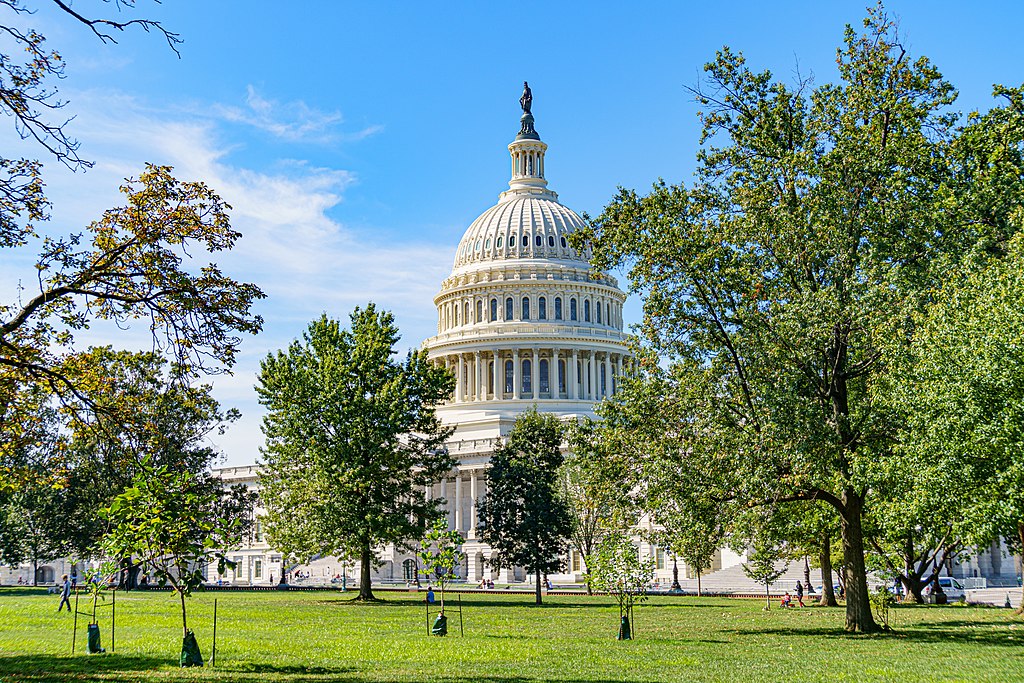
President Donald Trump’s push for a national overhaul of college sports took a major step forward Monday night when the Senate passed the Protect College Sports Act, 77–22. The bill now heads to the House, where its path remains uncertain.
The legislation, developed by Sens. Ted Cruz, R-Texas, and Maria Cantwell, D-Wash., would establish nationwide rules for athletes’ name, image and likeness (NIL) deals, revenue sharing, eligibility and transfers. It would also give college sports governing bodies limited protection from antitrust lawsuits when enforcing certain rules.
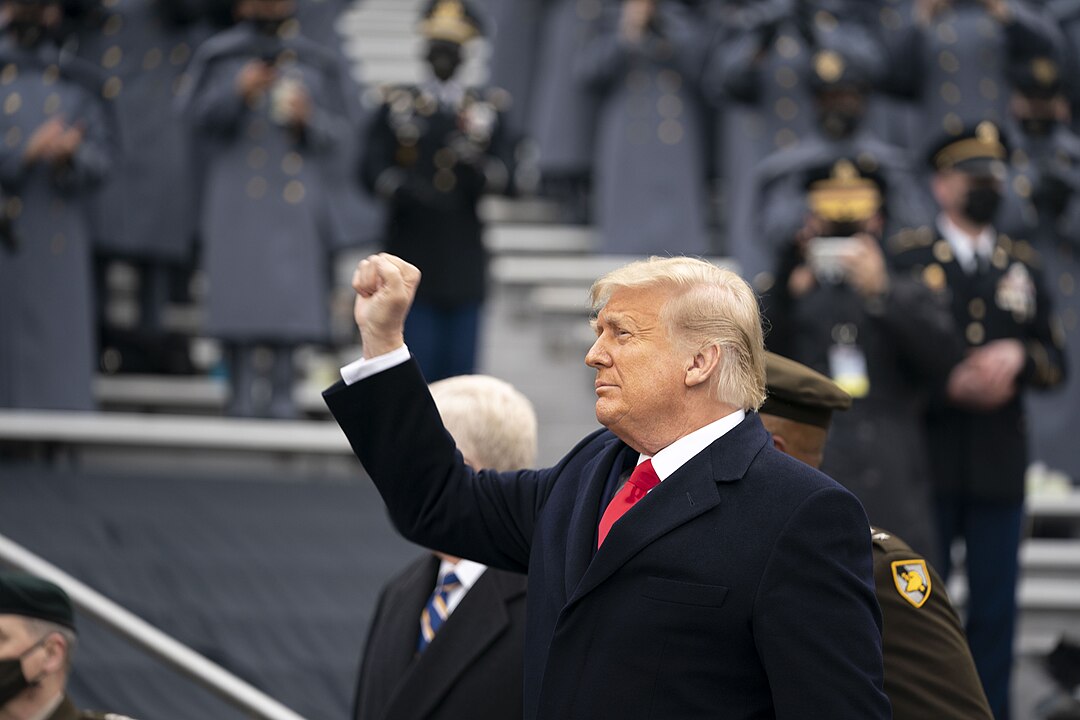
Trump made a fresh appeal on the day of the vote. In a Monday statement, the White House said years of litigation and uncertainty had left college athletics without consistent rules. It called on Congress to put the legislation on the president’s desk.
The administration had formally backed the bill in August, saying Trump’s advisers would recommend that he sign it if Congress passed it. At a reception for U.S. Winter Olympians and Paralympians that month, Trump urged the House and Senate to come together and said, “I will sign it” if lawmakers sent him the bill. He argued that college programs help develop American Olympians and warned Congress against leaving the current system in place.
What the bill would change
The proposal would protect athletes’ right to earn money from NIL agreements while setting a federal framework in place of varying state rules. It would establish standards for transfers and eligibility, regulate recruiting contacts and address payments schools make directly to athletes. Cruz called the current system “unsustainable,” arguing that conflicting court decisions have made it harder for schools and athletes to plan. At a Monday news conference, Cruz described the landscape as the “Wild West,” according to OutKick.
The bill includes provisions beyond the biggest football and basketball programs. According to Cantwell’s office, it would cap sports agents’ fees at 5%, protect scholarships after injury, require Division I schools to cover certain athletic medical costs for five years after eligibility and require schools to maintain a minimum number of sports. Cantwell said the measure would put athletes’ NIL and revenue-sharing rights into federal law.
The sweeping proposal has critics. Sen. Chris Murphy, D-Conn., has argued that its antitrust protections would give the NCAA and schools too much power over athlete compensation without giving players a stronger voice in negotiations. Labor and civil rights advocates have also raised objections.
The Senate vote does not make the bill law. The House is in recess until after the November midterm elections and would have to approve the legislation before it could reach Trump for his signature. For now, the president has the Senate victory he sought, with the final decision still ahead.