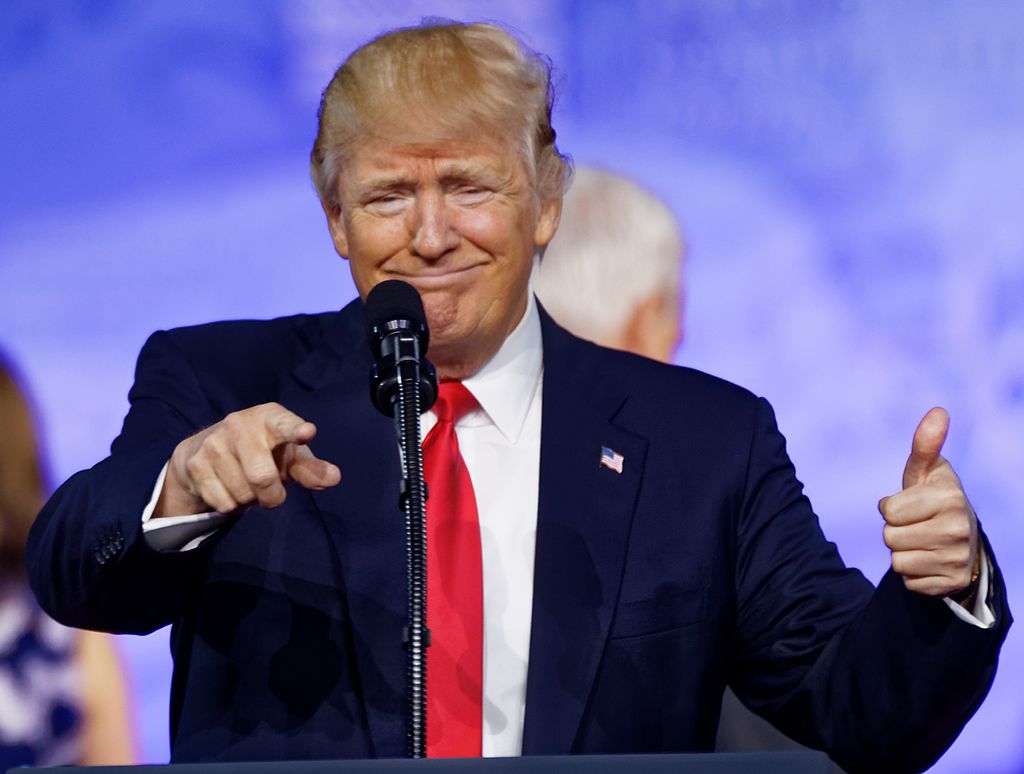
President Donald Trump says he would consider pardoning members of his administration before leaving office, pointing to Joe Biden’s final-day pardons as a precedent.
The remarks came during a Sept. 28 White House interview with Time published Oct. 1. Asked whether he was considering pardons for administration officials amid concerns that Democrats could pursue investigations after regaining power, Trump answered directly.
“Yeah, sure I’d do that,” he said.
When the magazine followed up, Trump invoked his predecessor: “Well, Sleepy Joe Biden, he gave pardons to everyone.” Mediaite and ABC News also reported the exchange.
Trump did not identify potential recipients, specify what conduct any pardons would cover or announce a timetable in that exchange. His answer left the possibility open without outlining a formal clemency plan.
Biden’s Final Pardons Take Center Stage
Biden issued preemptive pardons on Jan. 20, 2025, for former White House medical adviser Anthony Fauci, retired Gen. Mark Milley, members and staff of the House Jan. 6 committee, and police officers who testified before it.
In his announcement, Biden said the recipients faced threats of politically motivated prosecutions. He argued that investigations could damage their reputations and finances even if they were ultimately cleared.
Biden also said the pardons should not be interpreted as acknowledgments of wrongdoing or admissions of guilt.
That same day, Biden pardoned five relatives: his brothers James and Francis, sister Valerie Biden Owens, sister-in-law Sara Jones Biden and brother-in-law John Owens. He likewise described those pardons as protection against what he considered politically motivated targeting.
Trump’s response to Time made clear that he views Biden’s actions as relevant to his own decisions about protecting administration officials.
Earlier Reporting Described Private Assurances
The public remarks follow an April report by The Wall Street Journal that Trump had repeatedly promised pardons to top administration officials, according to people who heard his comments.
The Journal reported that Trump joked during one meeting, “I’ll pardon everyone who has come within 200 feet of the Oval,” drawing laughter. Those accounts described private conversations; the Time interview puts Trump’s willingness to consider such pardons on the public record.
What Preemptive Pardons Can Cover
A president can issue a pardon before a person is charged or convicted. The Justice Department confirms that clemency is available to people who have not yet been convicted or begun serving a sentence.
That authority applies to federal offenses, with certain District of Columbia offenses also eligible. It does not extend to state crimes or provide advance immunity for future criminal conduct.
Trump has already exercised broad clemency powers during his second term. On his first day back in office, he commuted the sentences of 14 Jan. 6 defendants, pardoned the remaining people convicted of covered offenses and directed the Justice Department to seek dismissal of pending indictments.