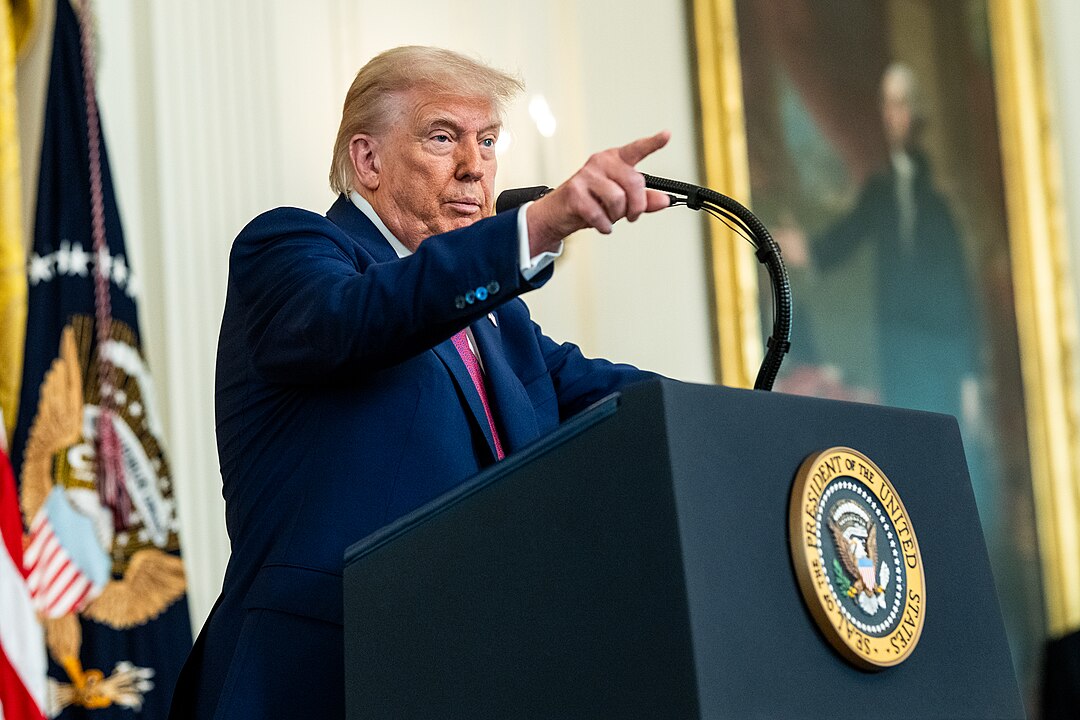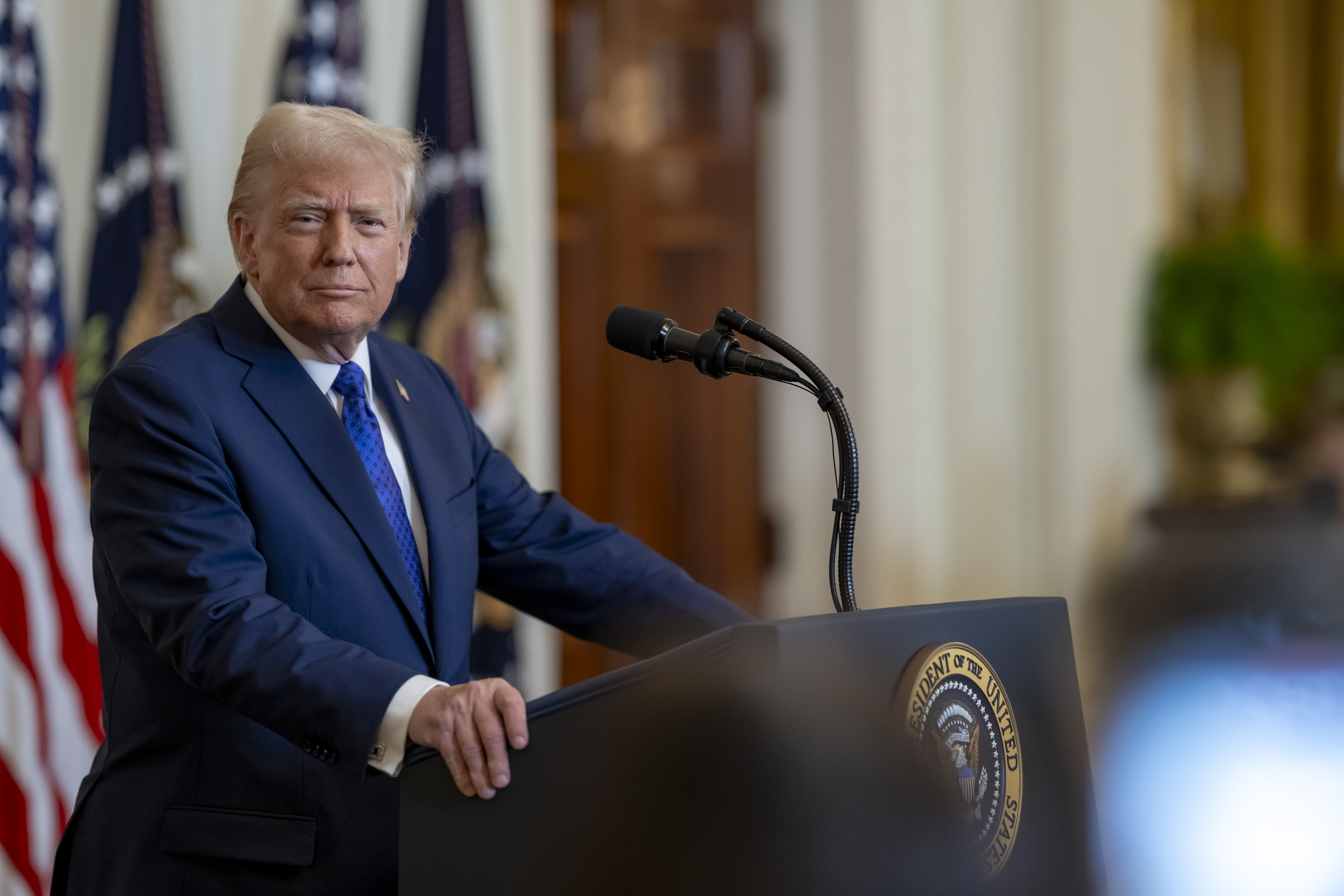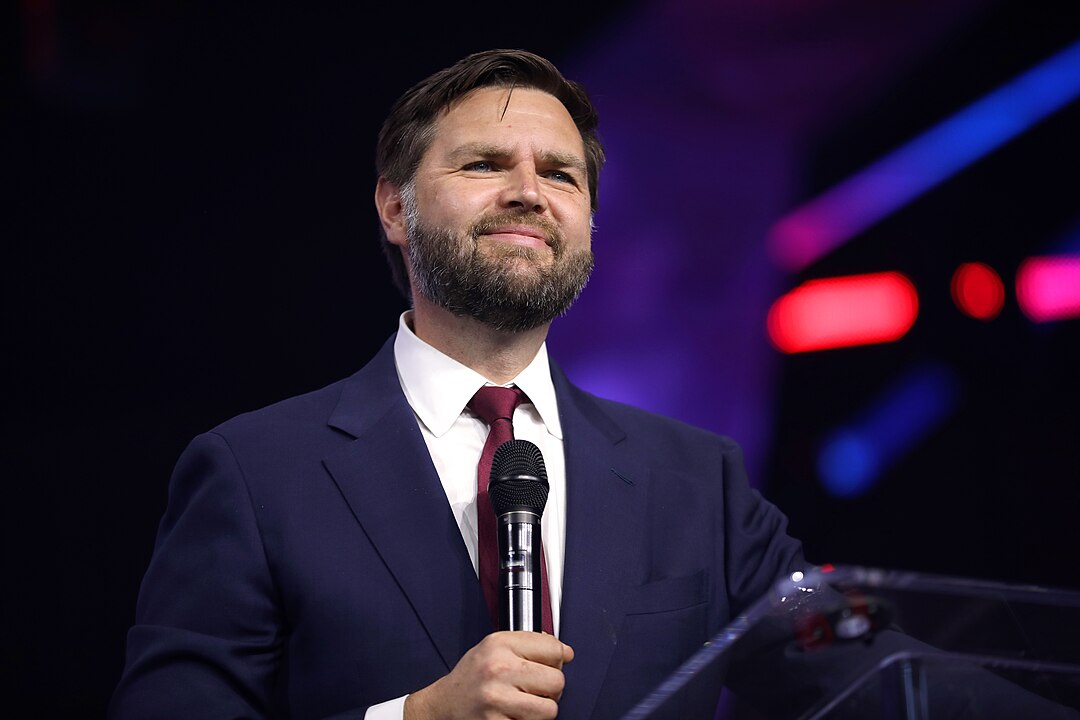
Vice President JD Vance has an early advantage in the race to succeed President Donald Trump, but Secretary of State Marco Rubio remains a prominent alternative as Republicans begin considering their next presidential nominee.
A New York Times/Siena University survey found Vance leading Republican primary voters with 33% support, followed by Rubio at 23%, according to The Hill. Both men have been publicly discussed by Trump as potential contenders for 2028.
The numbers put two leading members of Trump’s administration at the center of the emerging Republican field — even as neither has committed to running.
Vance Anticipates Trump’s Support
Vance has expressed confidence that Trump would back a presidential bid, while acknowledging that the two have not discussed it.
“Look, I think if I run, the president will endorse me,” Vance told Mark Halperin during an Oct. 19 interview, according to ABC News.
The vice president said he remained undecided about running and acknowledged that Trump could let a Republican primary develop before making an endorsement.
Rubio has also tempered speculation about his ambitions. The Wall Street Journal reported in September that he said he had no plans to pursue the presidency “at this time.”
Trump Still Registers With Republican Voters
Trump received 8% in the survey, despite the constitutional prohibition on being elected president more than twice. Florida Gov. Ron DeSantis drew 3%, while 26% of Republican respondents remained undecided.
Across the aisle, former Vice President Kamala Harris led Democrats with 12%, followed by California Gov. Gavin Newsom at 9% and former Transportation Secretary Pete Buttigieg at 7%. However, 45% of Democratic respondents had not settled on a candidate, The Hill reported.
The findings leave Trump’s succession question open. Vance starts ahead in this survey, Rubio has a substantial constituency, and roughly a quarter of Republican respondents have yet to choose.
The poll surveyed 3,494 voters from Oct. 12–19. It offers an early snapshot of preferences, with the next presidential election still more than two years away.