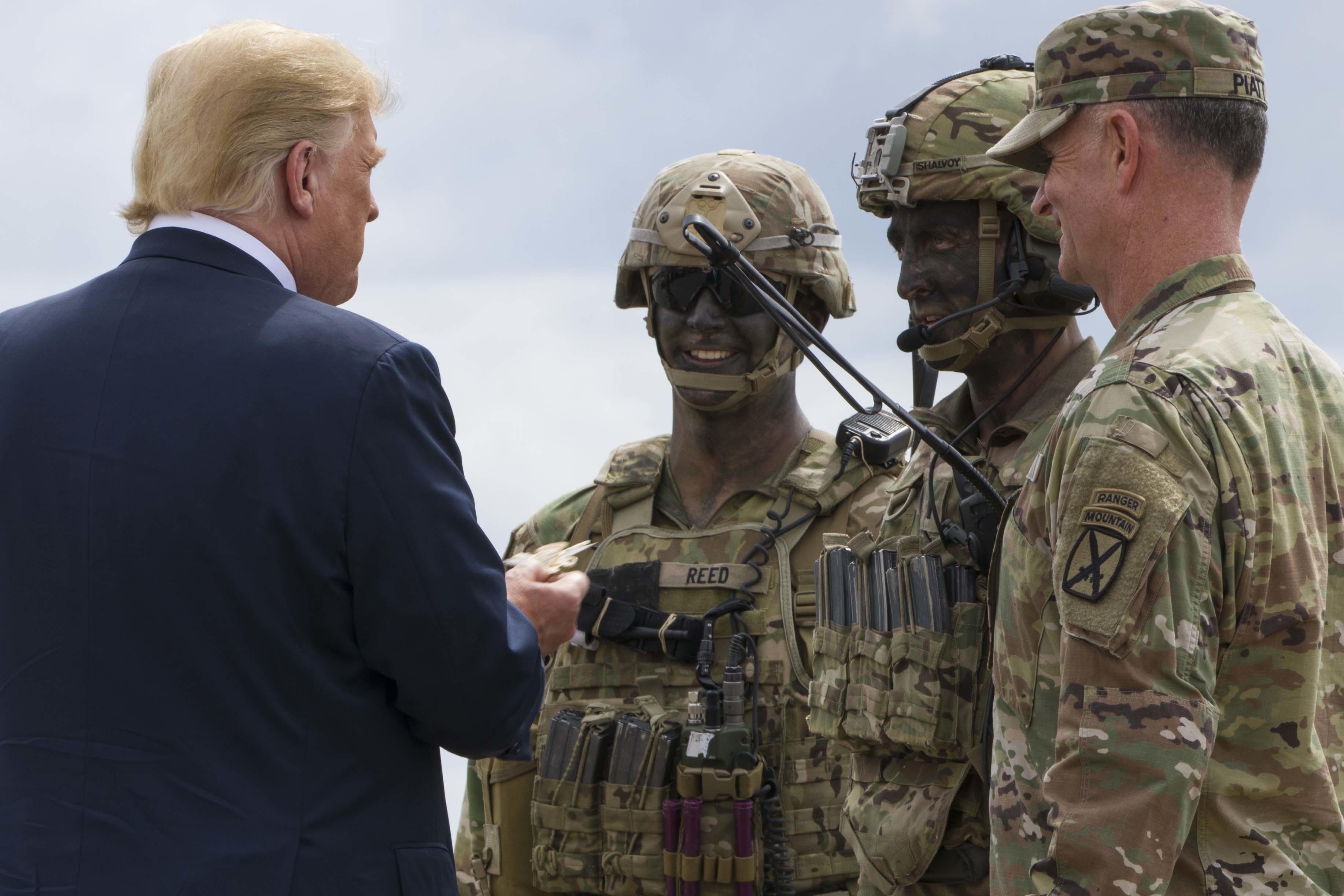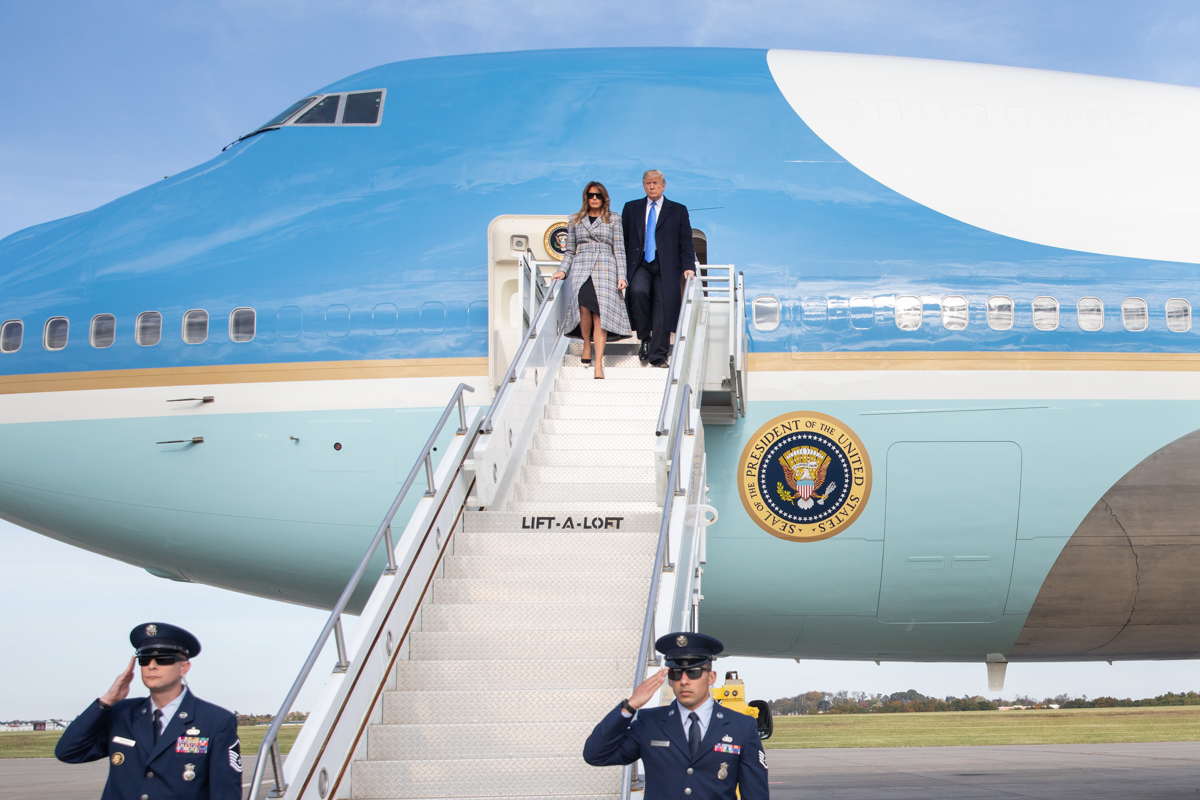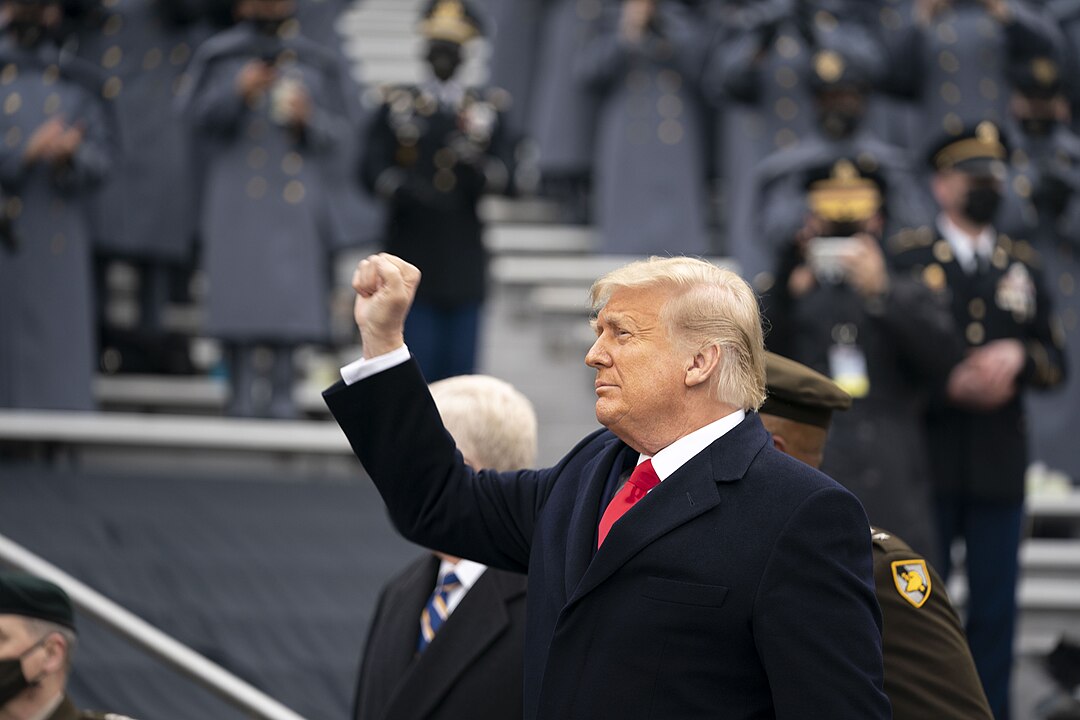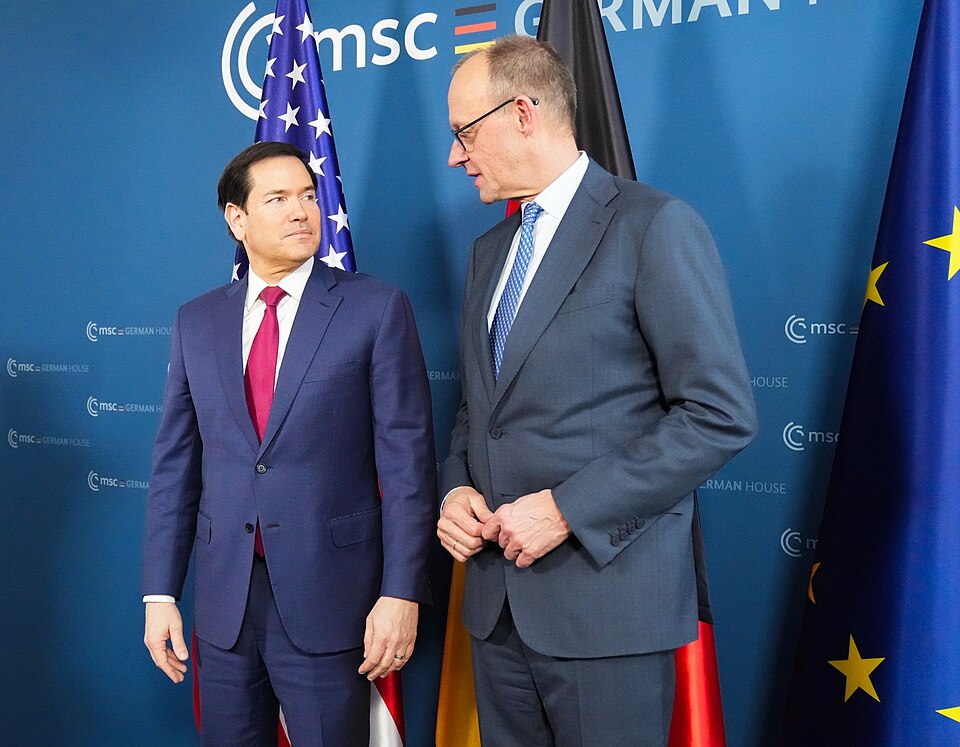
President Donald Trump is set to host German Chancellor Friedrich Merz at the White House on Tuesday as U.S. military operations in Iran continue and European leaders remain divided over their level of support.
The escalating conflict has prompted heightened security measures across the Middle East. The State Department has warned U.S. citizens in 14 countries in the region to leave immediately and has ordered the departure of nonessential government personnel and their families from the United Arab Emirates, Qatar, Kuwait, Iraq, Jordan and Bahrain.
The United States also temporarily closed its embassies in Saudi Arabia and Kuwait after both facilities were targeted in drone attacks.
In Saudi Arabia, two drones struck the U.S. Embassy compound in Riyadh, sparking a small fire and causing minor damage, according to the Saudi Defense Ministry, as reported by The New York Times. Saudi officials later said they intercepted and destroyed eight additional drones near Riyadh and the city of Al-Kharj. The embassy shut down for the day and urged Americans to avoid the area as a precaution.
In Kuwait, a drone struck the U.S. Embassy compound on Monday, according to U.S. officials cited in multiple reports. The embassy announced early Tuesday that it would close until further notice, citing heightened regional tensions, NPR reported.
The administration characterized the embassy closures as defensive measures following U.S. strikes on Iranian nuclear and military facilities.
President Trump said Monday that the conflict could continue for weeks, asserting that the United States has the capability to sustain operations “far longer” if necessary. In a social media post, Trump wrote that the U.S. has a “virtually unlimited supply” of munitions and added that wars can be fought “forever” using current stockpiles.
The ongoing strikes have also raised political questions in Washington. Some Republicans have warned about the potential expansion of the operation, while some Democrats are pushing for a vote under the War Powers Resolution.
All members of Congress are scheduled to receive a briefing on the administration’s actions in Iran as lawmakers from both parties weigh the political and strategic risks of a prolonged conflict.