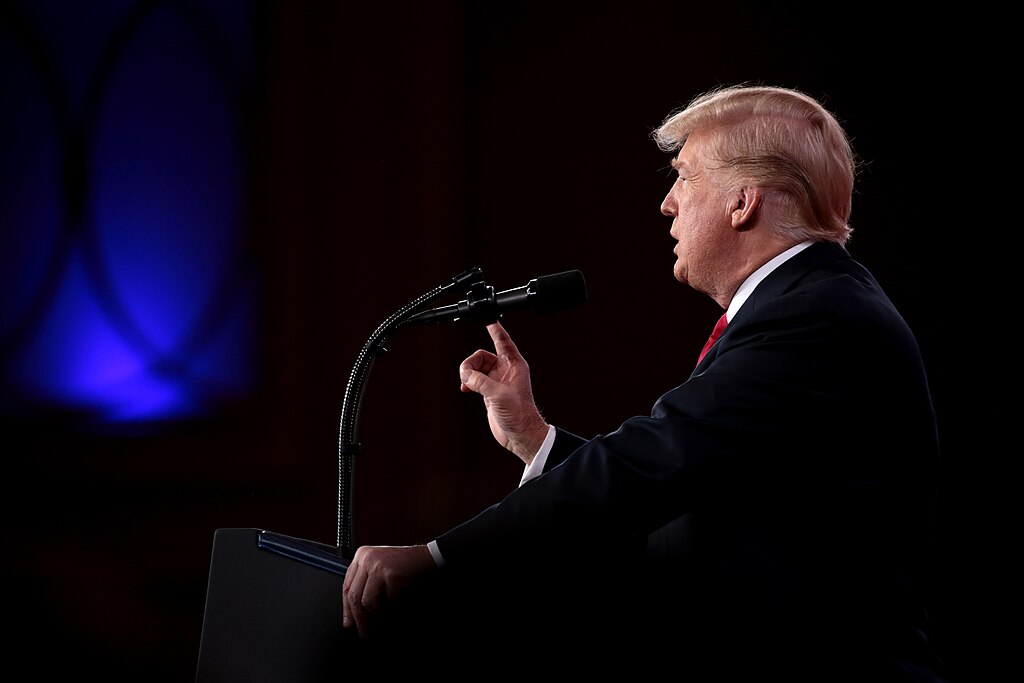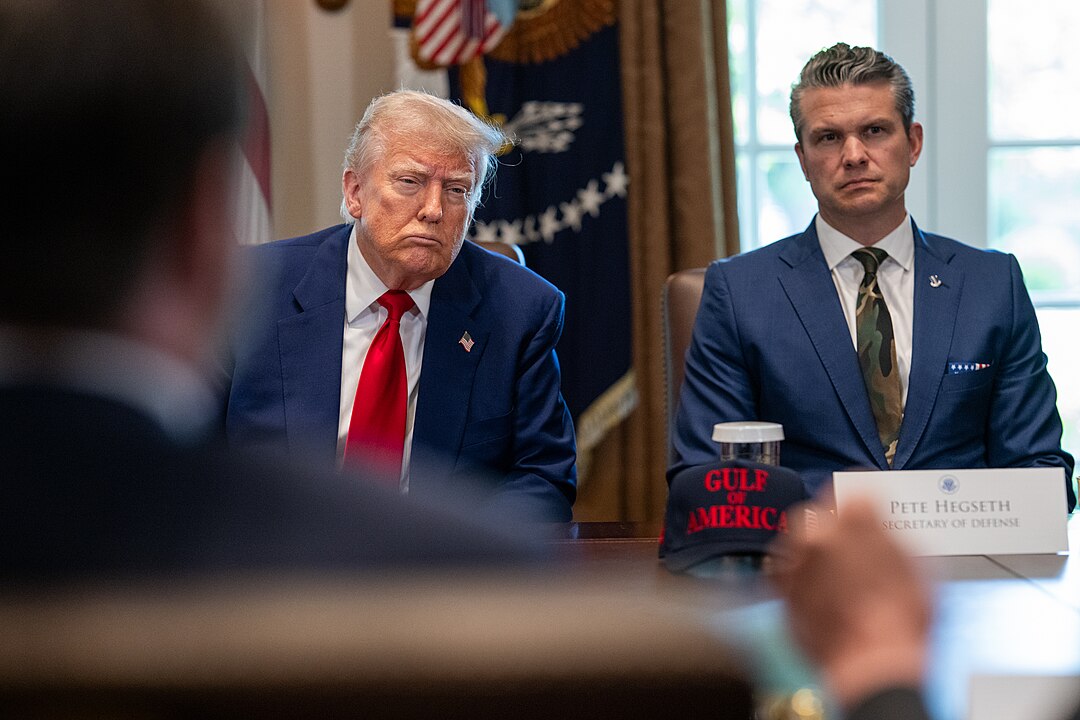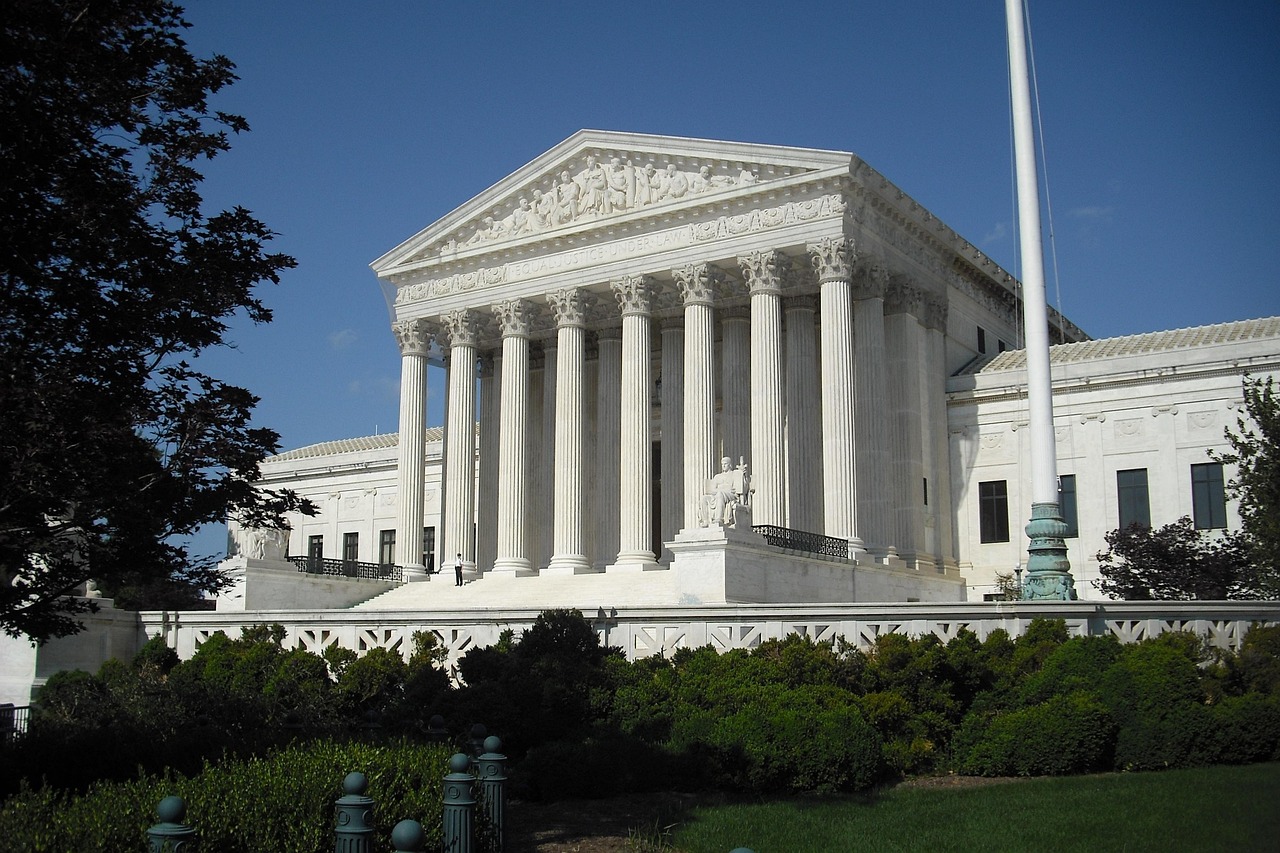
The Supreme Court handed President Donald Trump a significant legal setback Monday, blocking his effort to remove Federal Reserve Gov. Lisa Cook.
In a narrow 5-4 ruling, the justices allowed Cook to remain on the Federal Reserve Board of Governors, concluding that the Trump administration failed to provide her with sufficient due process before attempting to dismiss her over allegations of mortgage fraud.
The decision marks the latest chapter in Trump’s long-running battle with the Federal Reserve, an institution he has repeatedly criticized for refusing to cut interest rates as aggressively as he has demanded.
Roberts: The Court isn’t deciding whether Trump can ultimately fire Cook
Writing for the majority, Chief Justice John Roberts emphasized that Monday’s ruling was procedural rather than a final determination on the president’s authority to remove Cook.
“To be clear, the ultimate question of whether the President can remove Cook for cause will depend in part on the underlying facts,” Roberts wrote.
“In this opinion, we have not addressed the facts, as they have yet to be found or analyzed under the relevant legal standards. Rather, we have simply addressed the parties’ arguments about the appropriate legal standards under which the facts must be evaluated.”
The ruling sends the case back to the lower courts, where litigation over Cook’s dismissal will continue. She will remain on the Federal Reserve Board while that process unfolds.
Trump’s unprecedented move
Trump became the first president in the Federal Reserve’s 112-year history to attempt to fire a sitting member of the Fed’s Board of Governors when he dismissed Cook last year.
The White House cited allegations that Cook improperly claimed homes in Michigan and Georgia as primary residences to secure more favorable mortgage financing. The allegations stemmed from a referral by Federal Housing Finance Agency Director Bill Pulte.
Cook has denied any wrongdoing, has not been criminally charged, and argues the allegations were merely a pretext to remove her because of disagreements over monetary policy—particularly the Federal Reserve’s refusal to lower interest rates as quickly as Trump wanted.
Rare limit on Trump’s broader executive power victory
While Monday’s ruling represented a loss for Trump in this specific dispute, it came alongside a broader Supreme Court victory for the president on executive authority.
The Court dramatically expanded presidential power by allowing presidents to remove leaders of most independent federal agencies, overturning decades of precedent that had limited those removals. But the justices carved out a notable exception for the Federal Reserve, signaling that the nation’s central bank occupies a unique constitutional and statutory position.
That distinction could have major implications beyond Cook’s case.
For decades, financial markets have relied on the Federal Reserve’s political independence as it sets interest rates and manages inflation. During oral arguments earlier this year, several justices expressed concern that allowing presidents to freely remove Fed governors could undermine confidence in the institution and inject politics directly into monetary policy.
What comes next
Monday’s ruling does not permanently resolve Cook’s legal battle.
Instead, the lower courts will now determine whether the allegations against her satisfy the Federal Reserve Act’s requirement that governors may only be removed “for cause”—a legal standard that has historically been interpreted narrowly.
Until then, Cook will continue serving on the Federal Reserve Board.