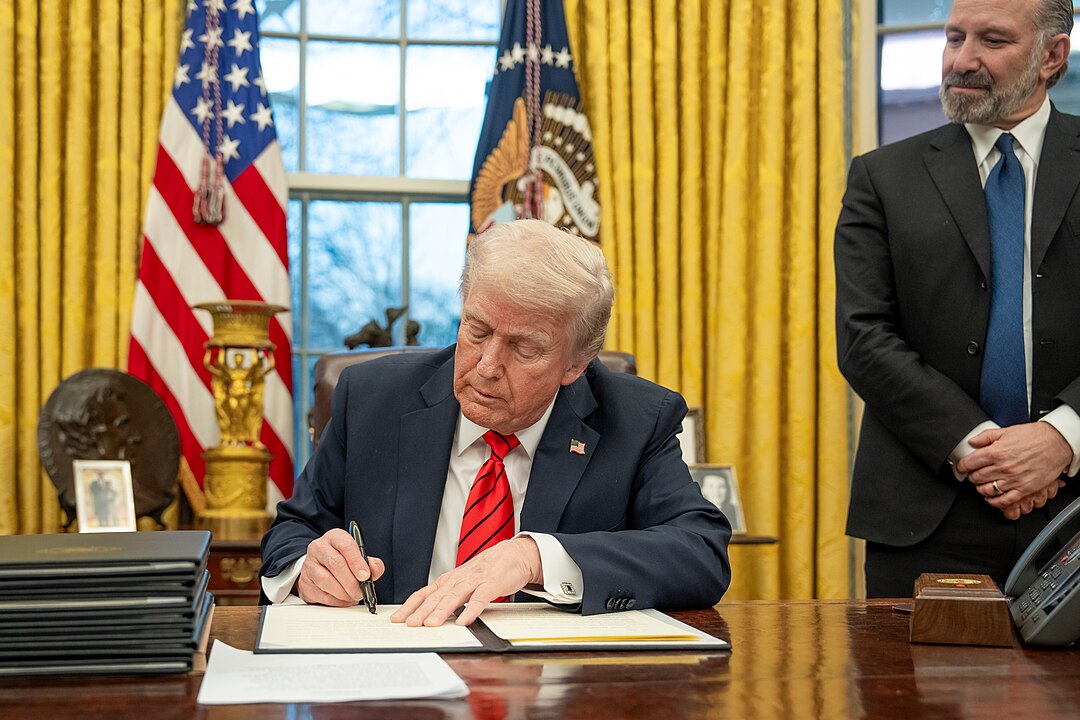
President Donald Trump this weekend signed a decisive executive order to protect Venezuelan oil revenue held in U.S. Treasury accounts from being seized in U.S. courts or by creditors — a move his administration says is essential for advancing American strategic and economic goals following a major turnaround in Venezuela.
The order — titled Safeguarding Venezuelan Oil Revenue for the Good of the American and Venezuelan People — was signed Friday and made public Saturday. It declares a national emergency under the International Emergency Economic Powers Act and the National Emergencies Act to ensure that oil proceeds can’t be tied up in lawsuits or creditor claims.
According to the executive order, allowing judicial seizures of these funds would “substantially interfere with our critical efforts to ensure economic and political stability in Venezuela.” It adds that failing to protect the funds would jeopardize key U.S. foreign policy objectives, including reducing illegal immigration, countering threats from Iran and other malign actors, and bringing “peace, prosperity, and stability” to Venezuela and the Western Hemisphere.
This action comes a week after U.S. forces conducted a high-stakes operation in Caracas that resulted in the arrest of Venezuelan President Nicolás Maduro and his wife on federal charges, a development that has dramatically altered the geopolitical landscape in the region.
The protected revenue is held in Foreign Government Deposit Funds — sovereign assets from Venezuelan oil sales that now sit in U.S. Treasury accounts. Trump officials emphasize that these funds are not assets for private creditors, such as companies that have longstanding claims against Venezuela after nationalization of their assets nearly two decades ago.
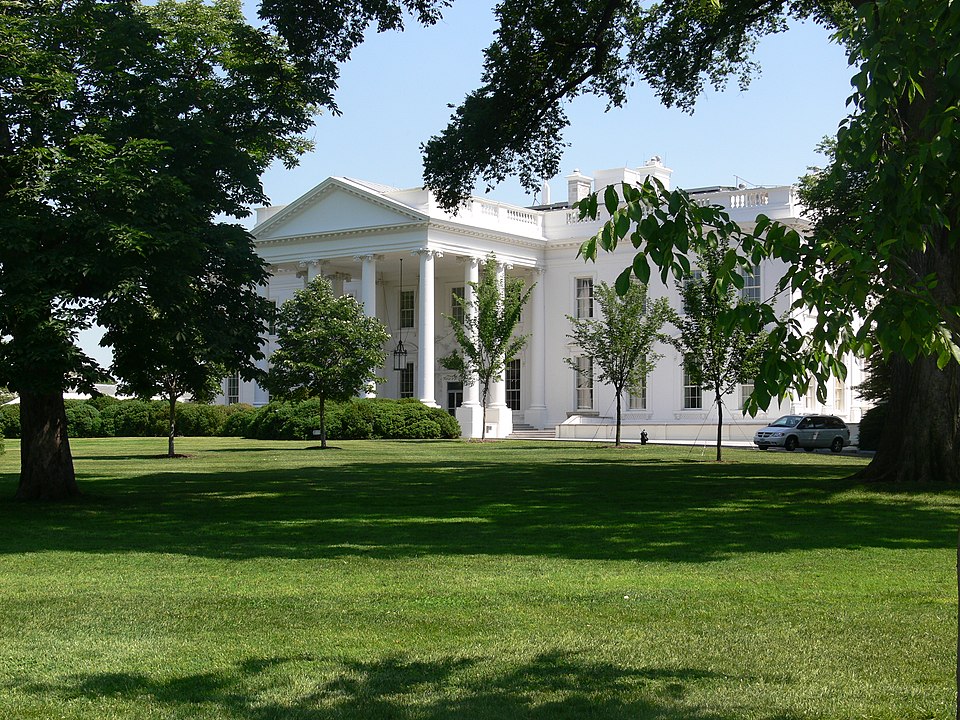
Among those creditors are U.S. energy giants like ExxonMobil and ConocoPhillips, both owed billions after being forced out during prior Venezuelan regimes. Trump told executives during a White House meeting that they would be “dealing directly with the U.S., rather than the Venezuelan government,” as part of an effort to encourage U.S. investment.
In that meeting, Trump pushed a vision of renewed American energy leadership in Venezuela, positioning U.S. oil companies to help rebuild the country’s long-neglected oil infrastructure. He framed it as a win for American jobs and national security alike.
Supporters of the president’s approach argue this is a watershed moment: the United States is not only protecting vital energy revenues but also preventing our courts from undermining strategic foreign policy goals and unlocking vast energy resources in the Western Hemisphere to benefit American producers and consumers alike.