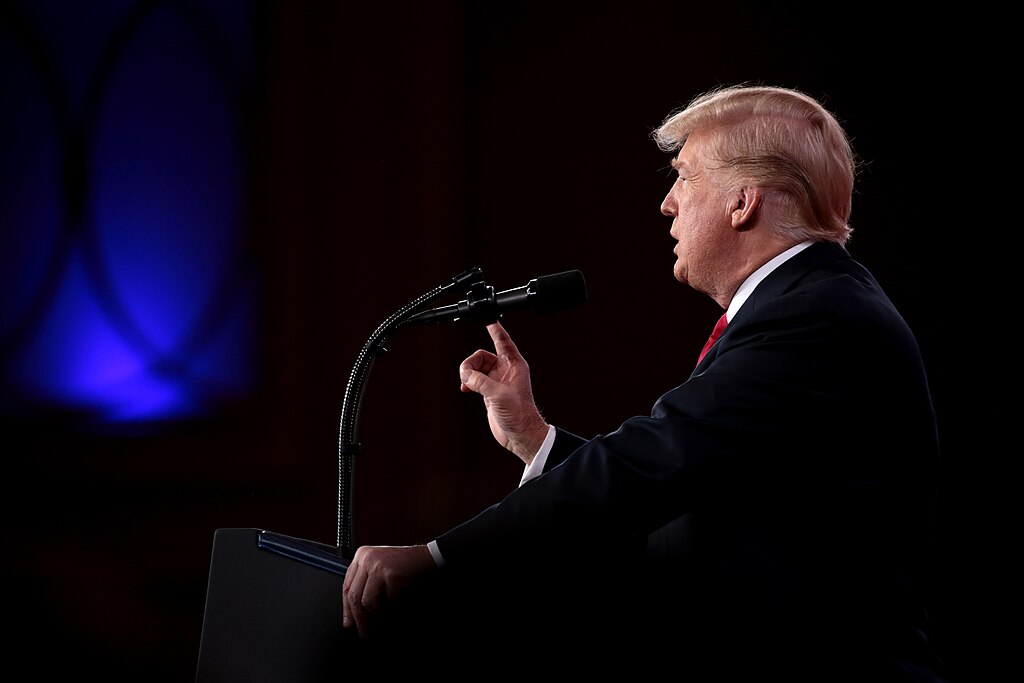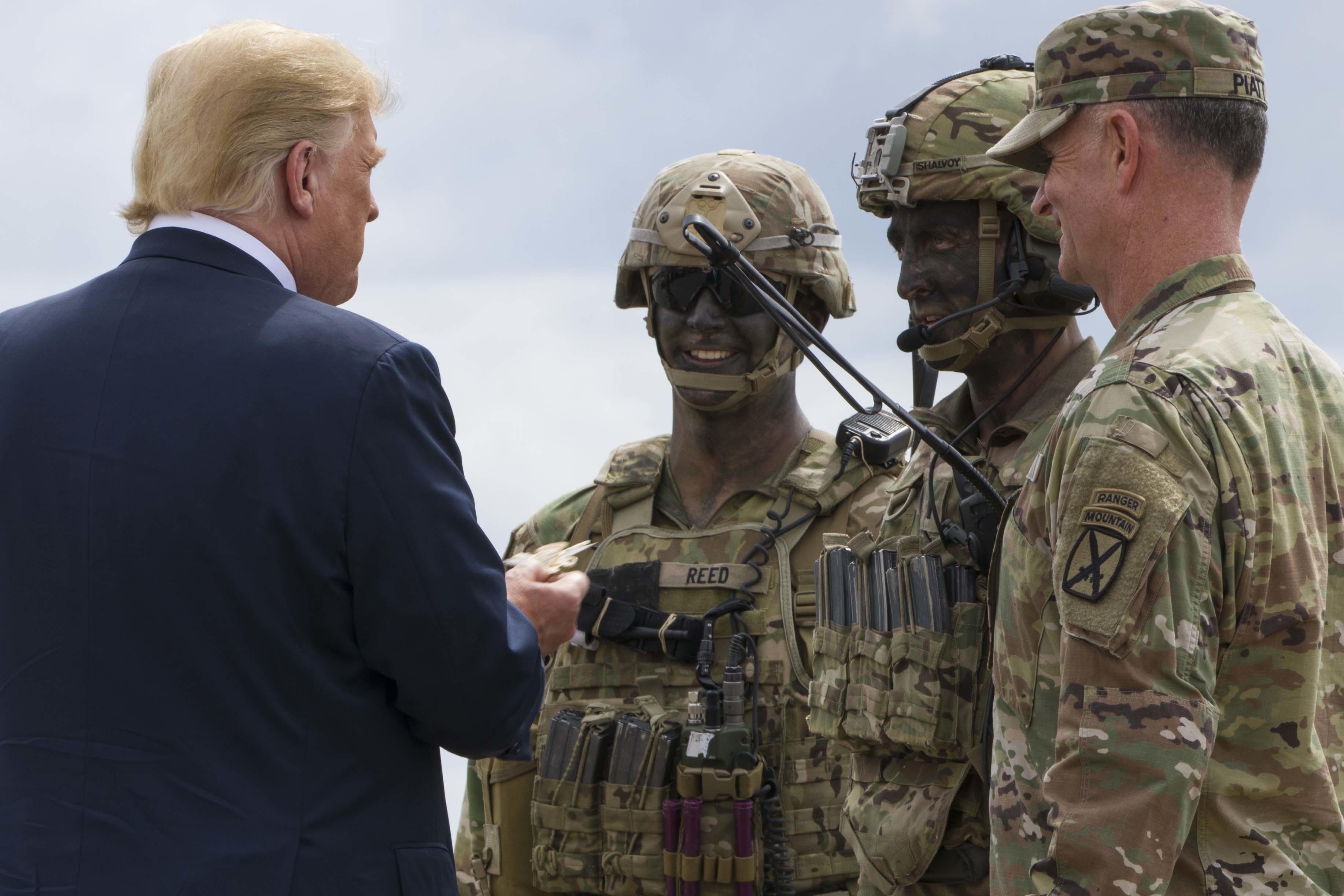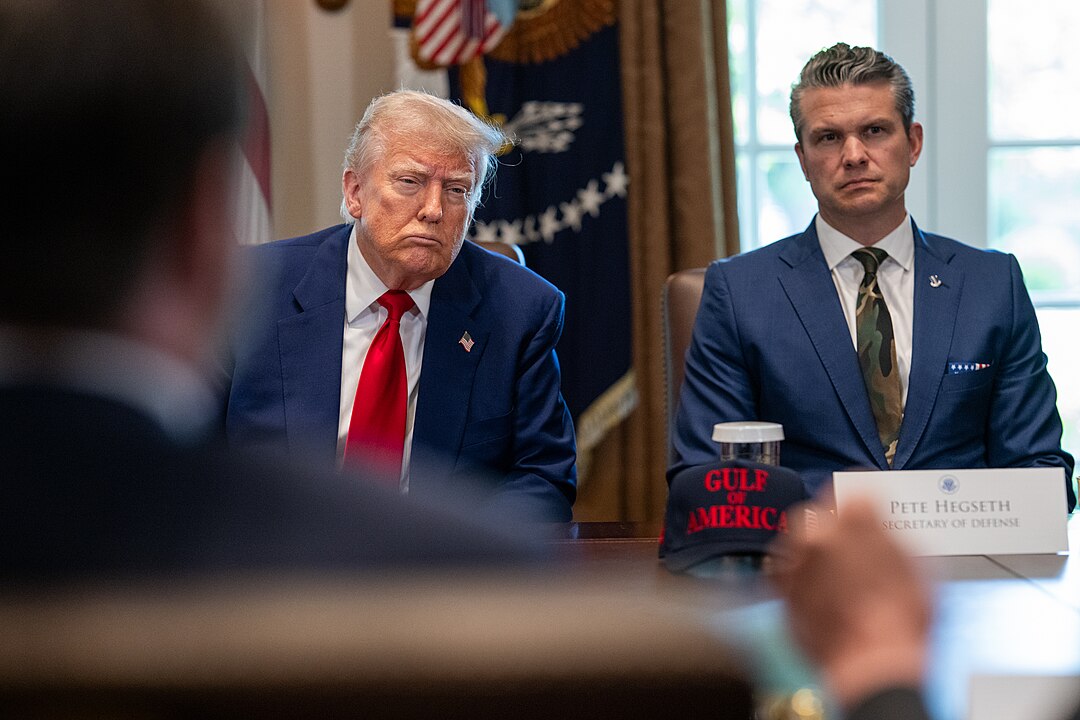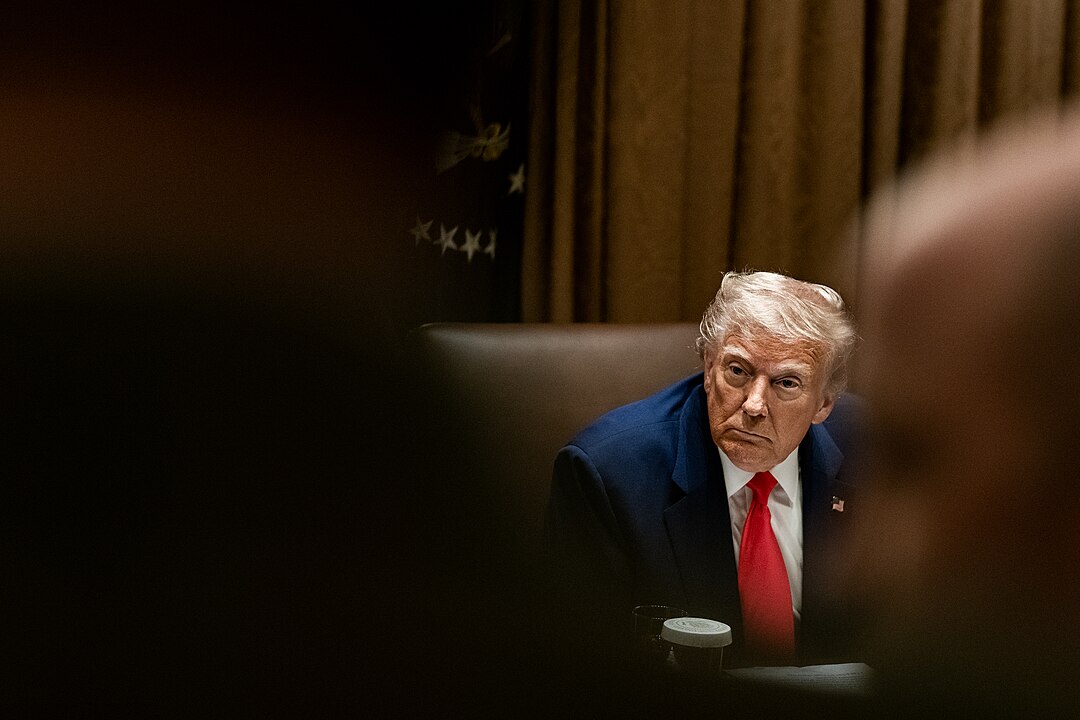
President Donald Trump was set to convene a rare Cabinet meeting at Camp David on Wednesday as the administration navigates increasingly high-stakes negotiations with Iran and seeks to showcase key domestic priorities ahead of the midterm election cycle. However, inclement weather has pushed the President to change Wednesday’s Cabinet meeting location to the White House.
Multiple outlets, including the New York Post, CBS News, and Fox News, confirmed the meeting, with administration officials saying all Cabinet members are expected to attend, including outgoing Director of National Intelligence Tulsi Gabbard, who is scheduled to leave her post at the end of June.
The gathering was originally set take place at the presidential retreat nestled within Maryland’s Catoctin Mountain Park, roughly 60 miles north of Washington, D.C. The secure, 125-acre compound has historically been used by presidents for sensitive diplomatic discussions and national security deliberations.
Trump has made relatively limited use of Camp David compared to many of his predecessors. According to reports, he has visited the retreat only around 16 times across his two terms in office, making Wednesday’s meeting somewhat unusual.
A White House official told reporters that Cabinet members are expected to discuss “recent successes of the administration including economy and small business wins, Task Force to Eliminate Fraud highlights, and foreign policy updates.”
The administration is also expected to highlight affordability measures and other issues aimed at voters as attention increasingly shifts toward the November midterm elections.
But foreign policy — and specifically Iran — appears likely to dominate much of the discussion.
The meeting comes at a sensitive moment in U.S.-Iran relations as negotiations continue over a broader agreement involving sanctions relief, regional security issues, and future discussions surrounding Iran’s nuclear program.
Trump has publicly projected confidence in the talks, recently saying negotiations were progressing “nicely,” while also emphasizing that he is unwilling to accept an agreement he views as weak.
“The president’s expressed his desire to make [sure] he’s either going to make a good deal or no deal,” Secretary of State Marco Rubio said Tuesday while speaking with reporters in India, according to reports. Rubio added that negotiators were still working through details and specific language and suggested progress could take “a few days.”
The diplomatic efforts have unfolded against a backdrop of rising tensions.
According to reporting from Fox News and the New York Post, U.S. forces carried out limited strikes Monday against Iranian military targets that U.S. Central Command described as defensive actions. CENTCOM said American forces targeted missile sites and vessels allegedly involved in mine-laying activity in the Strait of Hormuz while acting with restraint amid a fragile ceasefire.
Iran strongly condemned the operation and characterized it as a violation of the existing truce.
The latest developments have underscored the difficult balancing act facing the administration: pursuing diplomacy while signaling that military options remain available if negotiations fail.
Whether Wednesday’s Cabinet session was scheduled specifically because of the latest developments in the Middle East remains unclear. But with talks entering a potentially decisive phase and tensions in the region still elevated, the meeting could offer a clearer picture of the administration’s next steps.