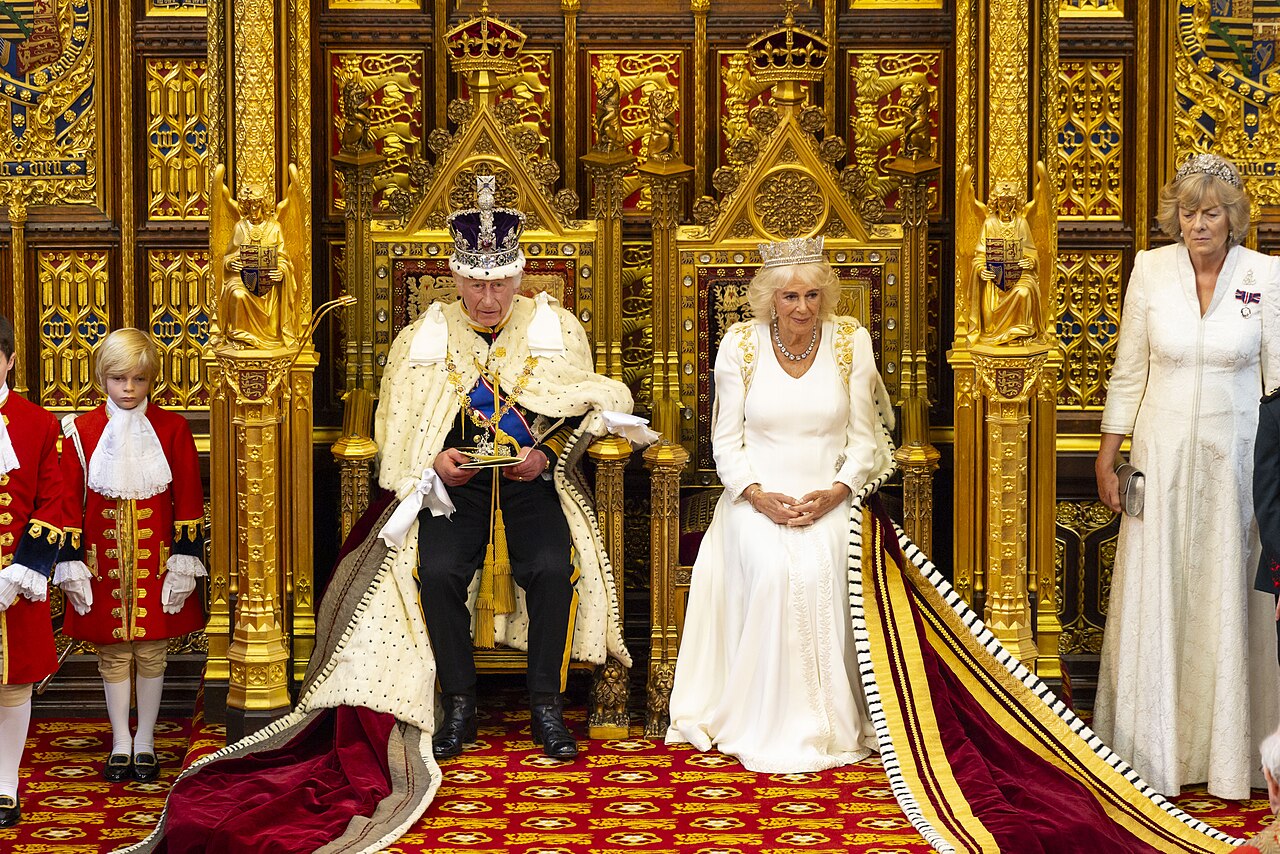
Britain’s King Charles III will make a state visit to the U.S. in late April, Buckingham Palace announced Tuesday.
According to the palace, Charles’ visit “will celebrate the historic connections and the modern bilateral relationship between the United Kingdom and the United States, marking the 250th anniversary of American Independence.” The milestone anniversary—set for 2026—adds symbolic importance to the visit, underscoring both the long arc of shared history and the evolving partnership between the two nations.
While this will be Charles’ first visit as king, he is no stranger to the United States. He traveled to the country 19 times as Prince of Wales, building relationships with American leaders, institutions, and communities over decades. His mother, Queen Elizabeth II, made four state visits during her reign—in 1957, 1976, 1991, and 2007—each helping to reinforce the enduring “special relationship” between the U.S. and the U.K.
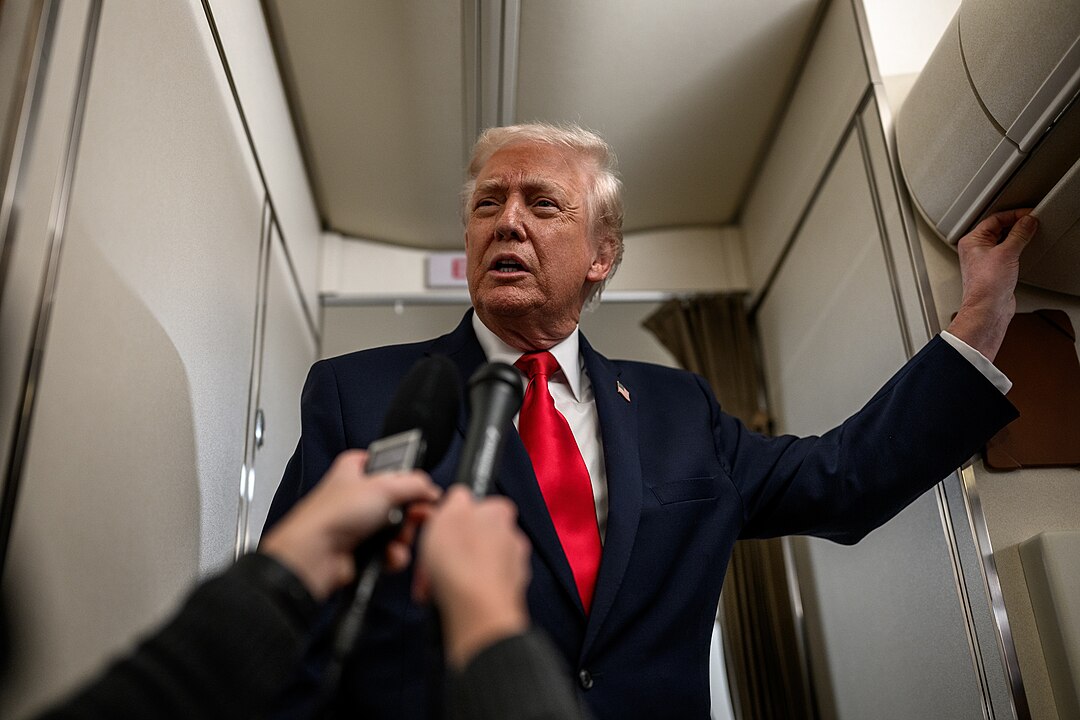
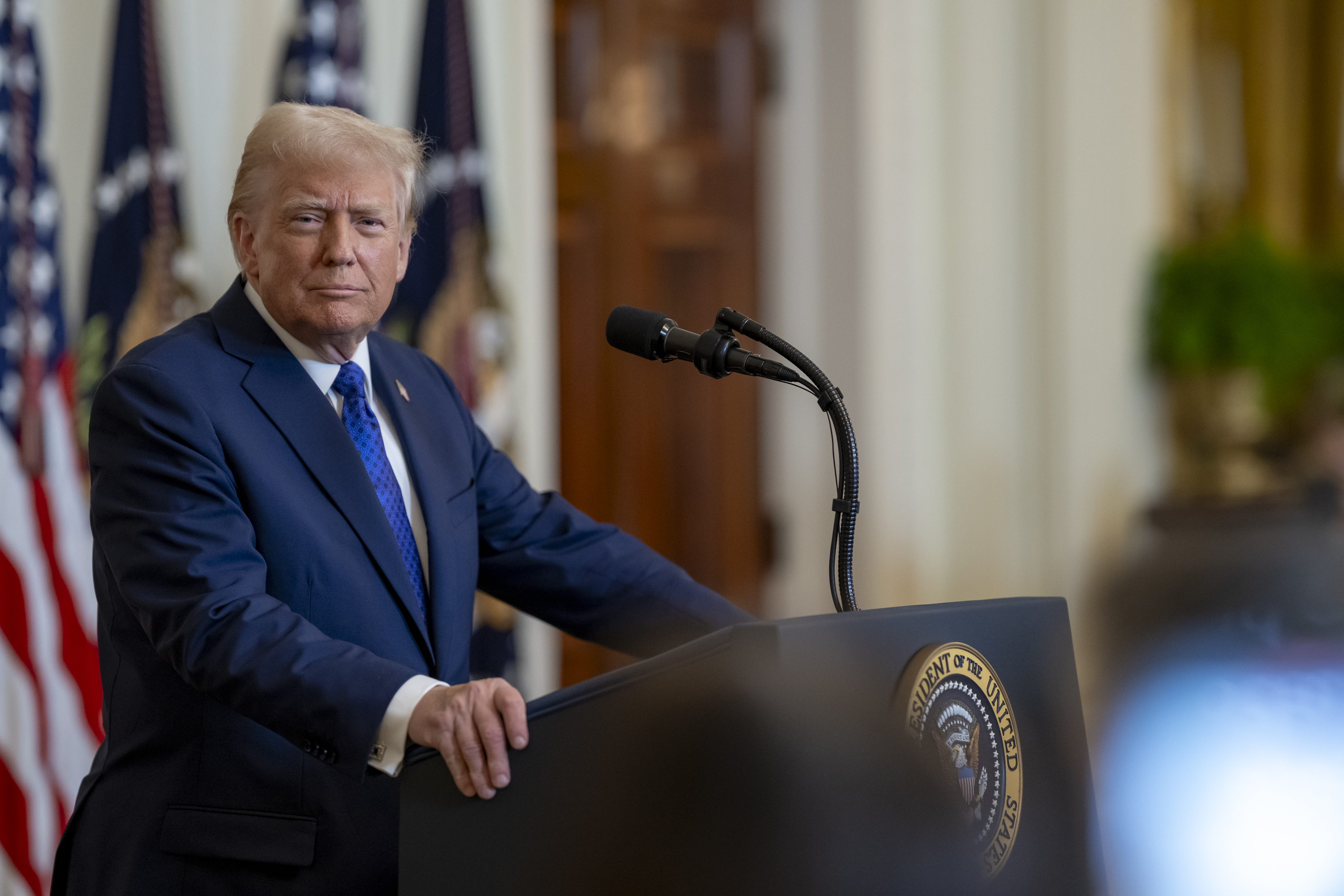
The visit also follows a recent show of transatlantic diplomacy. Former President Donald Trump made a state visit to the United Kingdom in September, where he attended a formal state dinner hosted by King Charles and Queen Camilla at Windsor Castle. The event, attended by senior royals including Prince William and Catherine, Princess of Wales, highlighted ongoing ties between political leadership and the British monarchy.
However, Charles’ upcoming trip comes at a more complicated moment for U.S.-U.K. relations. Tensions have surfaced over foreign policy, particularly regarding the Middle East. President Trump has sharply criticized British Prime Minister Keir Starmer for declining to join the joint U.S.-Israeli military campaign against Iran. While the U.K. has stopped short of direct involvement, it is allowing the U.S. to use British bases for what officials describe as “defensive” operations—an arrangement that reflects both cooperation and caution.
Against this backdrop, Charles’ visit is expected to carry diplomatic weight beyond ceremony. While the monarch does not set policy, royal visits often serve as soft-power tools—helping ease tensions, reinforce alliances, and project stability during uncertain times.
Following his Washington stop, Charles is scheduled to continue on to Bermuda, a British Overseas Territory, further emphasizing the global scope of the monarchy’s role.
Meanwhile, another European leader is expected to visit the White House later this year. Sources told CBS News that King Willem-Alexander of the Netherlands is planning a trip to Washington in June, signaling a busy season of high-level diplomatic engagement for the United States.
As Charles prepares for his return to America—this time as king—the visit will blend tradition, politics, and symbolism, offering a moment to reflect on centuries of shared history while navigating the challenges of the present.