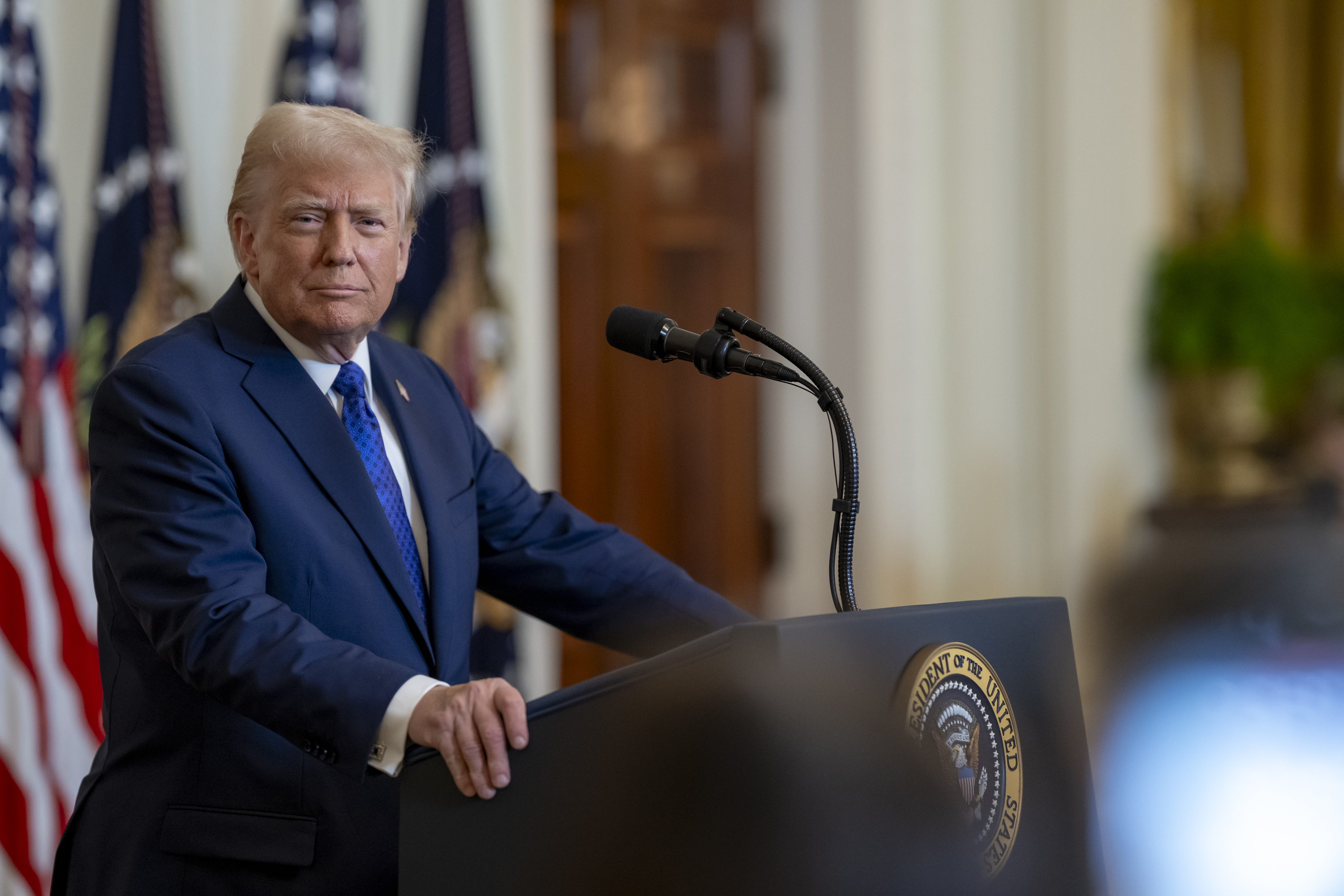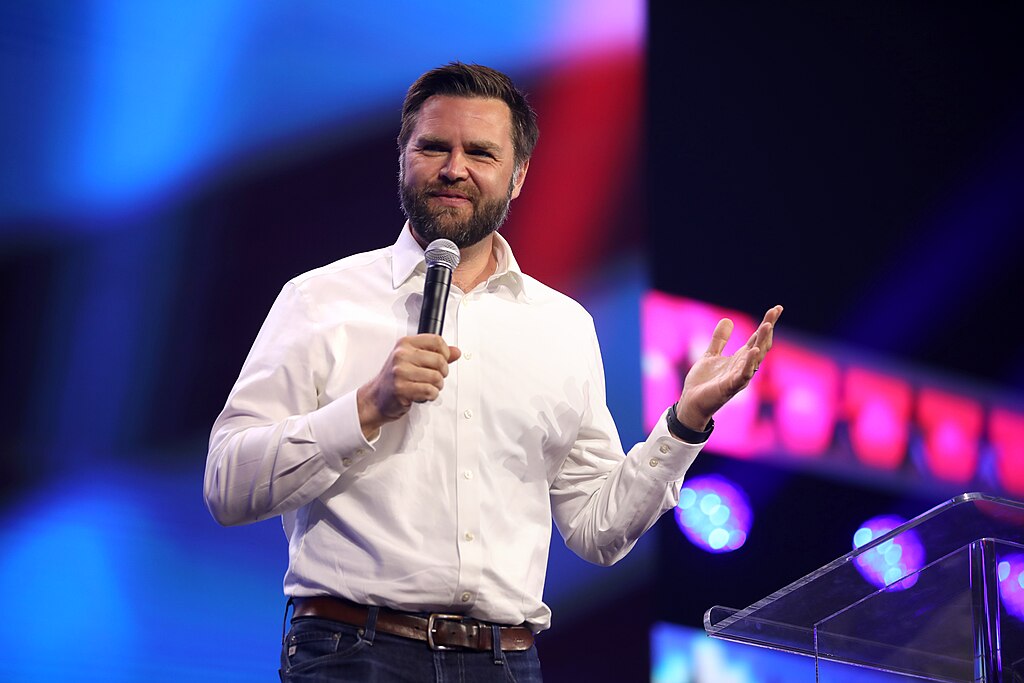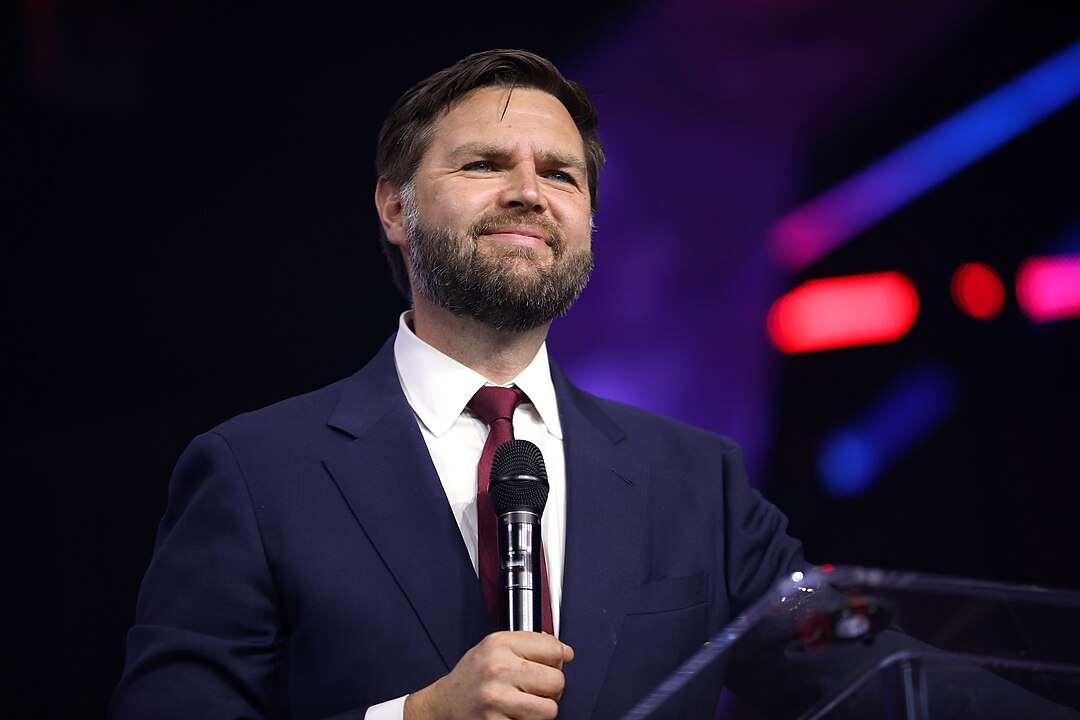
President Trump said Wednesday that Vice President JD Vance may not attend upcoming in-person peace talks with Iran in Pakistan, citing concerns about his safety as negotiations move forward.
Speaking to the New York Post, Trump said he expects talks to take place in Islamabad “very soon,” following a two-week ceasefire agreement reached Tuesday. While the administration is preparing a high-level delegation, Trump signaled that Vance’s participation remains uncertain.
“There’s a question of safety, security,” Trump said, underscoring the risks tied to sending the sitting vice president into a volatile diplomatic environment.
Instead, Trump indicated that special envoy Steve Witkoff and senior advisor Jared Kushner are expected to represent the United States at the talks, with Vance’s attendance still under consideration.
The planned talks come at a fragile moment. Pakistan has stepped in as a mediator, urging restraint after recent U.S. military action against Iranian targets. Prime Minister Shehbaz Sharif proposed hosting the talks as early as Friday, positioning Islamabad as neutral ground for what both sides hope will be a broader de-escalation.
“Both parties have displayed remarkable wisdom and understanding and have remained constructively engaged in furthering the cause of peace and stability. We earnestly hope, that the ‘Islamabad Talks’ succeed in achieving sustainable peace and wish to share more good news in coming days!” Sharif said in a public statement.
Iran has reportedly agreed to attend, though major gaps remain between the two sides. Both Washington and Tehran have claimed victory following the ceasefire announcement, highlighting the competing narratives shaping the negotiations.
White House press secretary Karoline Leavitt framed the agreement as a strategic win for the United States, writing on X that it was “a victory for the United States that President Trump and our incredible military made happen.”
Iranian officials, however, struck a different tone, declaring they had “achieved a massive victory and forced criminal America” to accept their framework for negotiations.
At the center of the dispute is Iran’s proposed 10-point plan, which includes reopening the Strait of Hormuz, securing guarantees against future attacks, lifting all U.S. sanctions, and halting Israeli military operations in Lebanon. Tehran has made clear that the conflict will not be considered resolved until those terms are finalized.
The Strait of Hormuz remains a critical global chokepoint for oil shipments, making its reopening a key economic and geopolitical priority. Any disruption there has immediate ripple effects on global energy markets, raising the stakes of these talks well beyond the region.
Against that backdrop, Trump’s caution regarding Vance reflects both the security risks and the high political stakes involved. Sending the vice president into an active negotiation zone would signal a major diplomatic commitment but also expose him to potential threats in an unpredictable environment.
For now, the administration appears to be balancing engagement with caution, advancing talks through senior envoys while keeping top leadership at a safer distance.