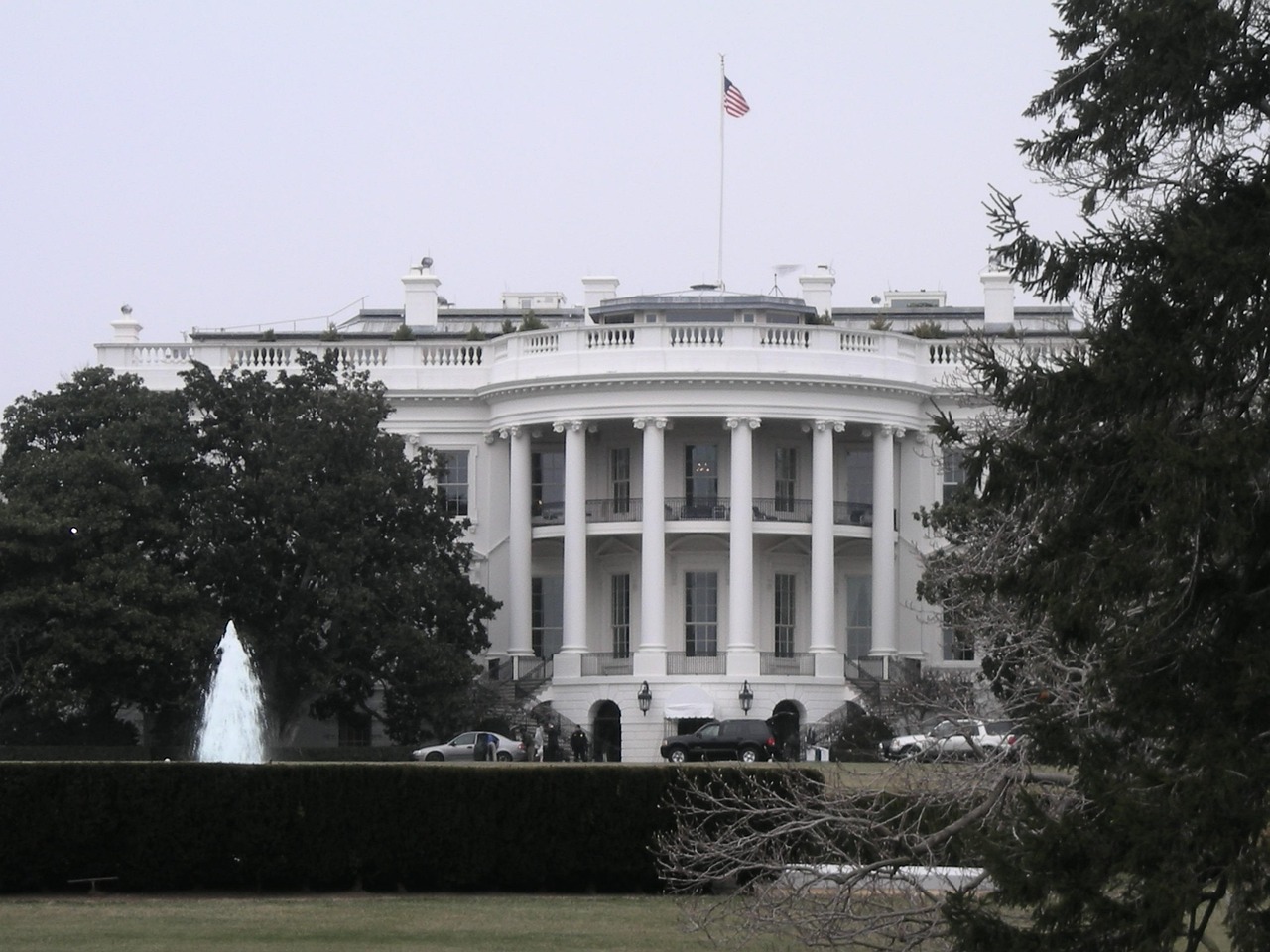
The Trump White House is moving into a new design phase for its long-planned White House ballroom project, tapping Washington-based Shalom Baranes Associates to lead the architectural effort. In a statement, spokesperson Davis Ingle said the firm is joining “the team of experts to carry out President Trump’s vision” for what the administration calls the most significant White House addition in decades, with the goal of creating a major new venue for state events and large formal gatherings.
Shalom Baranes is a well-known name in the capital’s building world, with a long track record designing prominent projects across Washington. Administration officials are casting that experience as a key reason for the change as the project shifts from concept and early work into the more demanding stretch where design decisions meet the realities of construction schedules, security requirements, and preservation constraints that come with building adjacent to the “people’s house.”
The announcement does not remove the project’s original designer entirely. Trump initially selected McCrery Architects to design the ballroom, and the White House has indicated McCrery will remain involved as a consultant—suggesting continuity on the overall vision even as a larger firm takes the reins on the next stage.
The scale of the project is hard to miss. Construction began this fall, and work has already included the demolition of the historic East Wing area to make room for the new structure. The East Wing houses high-profile office space and operational functions, including areas traditionally associated with the First Lady’s staff, and its removal has been one of the most visible—and controversial—signals that this won’t be a “minor renovation,” but a sweeping reconfiguration of the White House complex.
Supporters of the project point to a practical challenge presidents have wrestled with for generations: the White House’s built-in entertaining spaces can be limiting for modern state visits, big diplomatic receptions, and major ceremonial events. The White House frequently relies on temporary structures or off-site venues when guest lists outgrow interior rooms. Trump has argued a dedicated ballroom solves that problem permanently and allows the White House to host large events on-site with greater security and control.
The price tag has also grown. The ballroom was introduced publicly this summer with an estimate around $200 million, but the latest figure being discussed is closer to $300 million. The White House has emphasized that the construction itself is being privately funded, not paid for by taxpayers—while critics note that long-term staffing, maintenance, and security expenses for any major new facility can still produce ongoing costs over time.
Trump has been candid that the construction comes with day-to-day disruption at 1600 Pennsylvania Avenue. In a recent cabinet meeting, he joked that the noise is not exactly a hit at home, quipping that he wouldn’t say the First Lady is “thrilled” as pile drivers are heard through the day and into the night. Still, the president is pressing ahead, saying the upgrade has been needed for roughly 150 years and predicting it will be “the finest ballroom ever built,” with completion targeted before the end of his term.