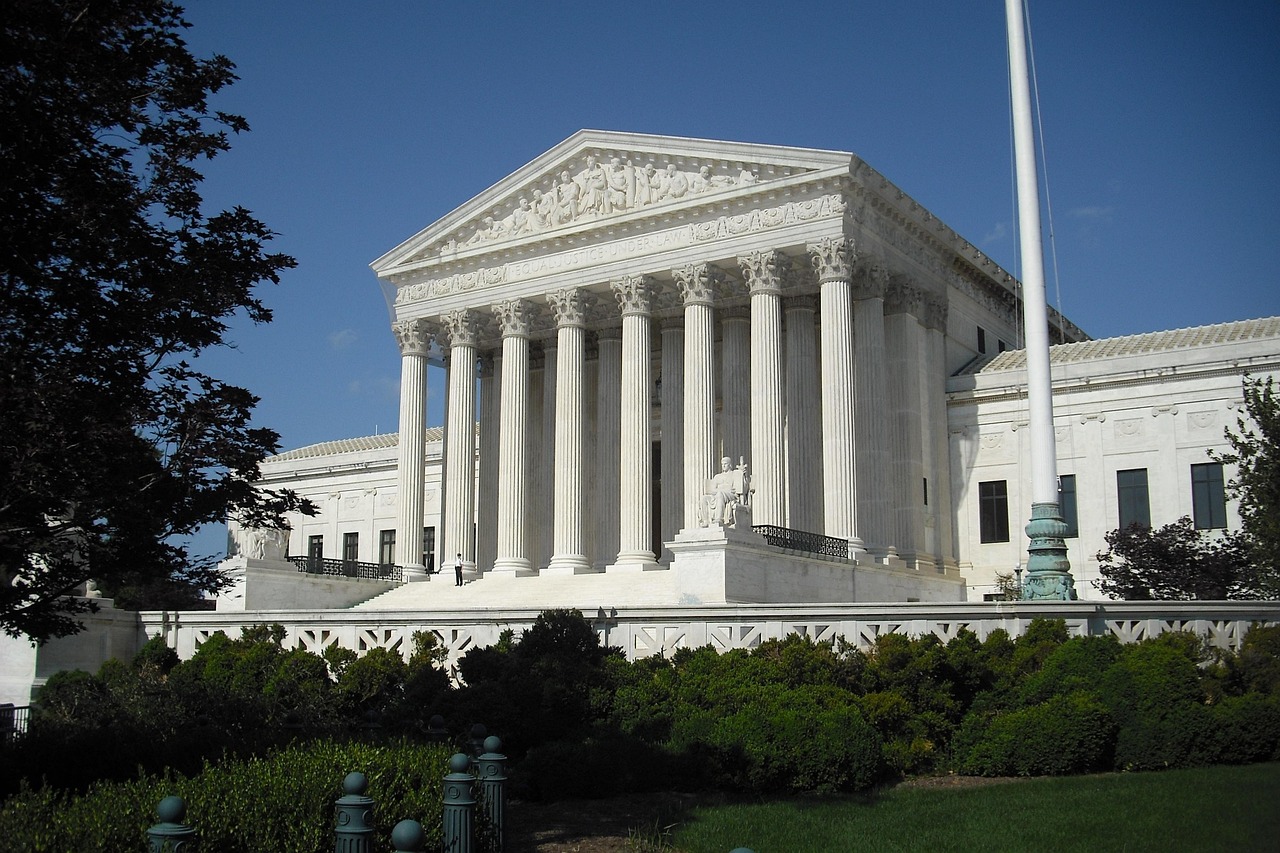
The Supreme Court has temporarily blocked President Donald Trump’s effort to deploy federalized National Guard troops to Chicago, marking an unusual setback for an administration that has repeatedly prevailed in emergency appeals since returning to office in January.
In a brief order, the justices declined the Trump administration’s request to lift a lower court ruling that halted the deployment. The decision leaves in place an injunction issued by U.S. District Judge April Perry, which was previously upheld by the 7th Circuit Court of Appeals. The Supreme Court took more than two months to act on the emergency request.
“At this preliminary stage, the Government has failed to identify a source of authority that would allow the military to execute the laws in Illinois,” the majority wrote, stressing that the ruling is limited to the early phase of the case.
Justices Samuel Alito, Clarence Thomas, and Neil Gorsuch dissented publicly, signaling serious concern about the implications of the decision for presidential authority and federal law enforcement.
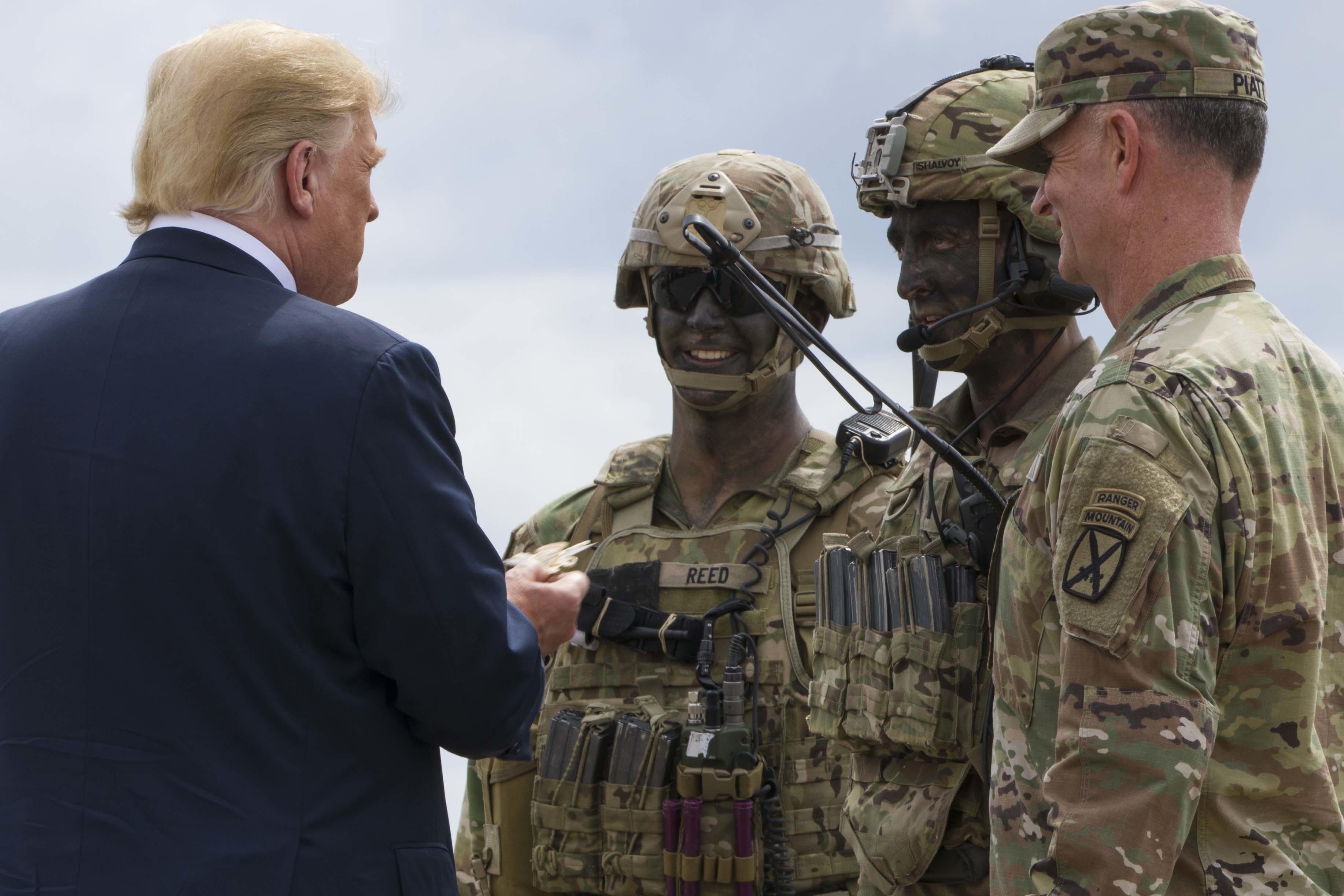
The Trump administration had argued that the lower court rulings improperly interfered with the president’s constitutional responsibility to protect federal personnel and property. Solicitor General D. John Sauer warned the Supreme Court that blocking the deployment needlessly endangers Department of Homeland Security officers operating in Chicago.
According to Sauer, federal agents have faced ongoing violent resistance, and the inability to deploy National Guard troops prevents the administration from taking reasonable and lawful steps to ensure officer safety and maintain order.
Illinois and Chicago officials pushed back, claiming that local and state law enforcement are capable of handling protest activity without federal intervention. They accused the administration of overstating the level of violence and disorder, an argument Judge Perry accepted in her ruling.
The district court characterized federal accounts of unrest in Chicago and nearby Broadview as unreliable and concluded there was insufficient evidence to justify the extraordinary step of federalizing the National Guard over the objections of state leaders.
The case comes amid President Trump’s broader effort to assert federal authority in Democratic-led cities where local officials have resisted cooperation with federal law enforcement. Supporters of the president argue the push is necessary to restore law and order and protect federal officers, while critics say it represents an overreach of executive power.
While the Supreme Court’s decision is a setback, it is not a final ruling on the merits of the case.