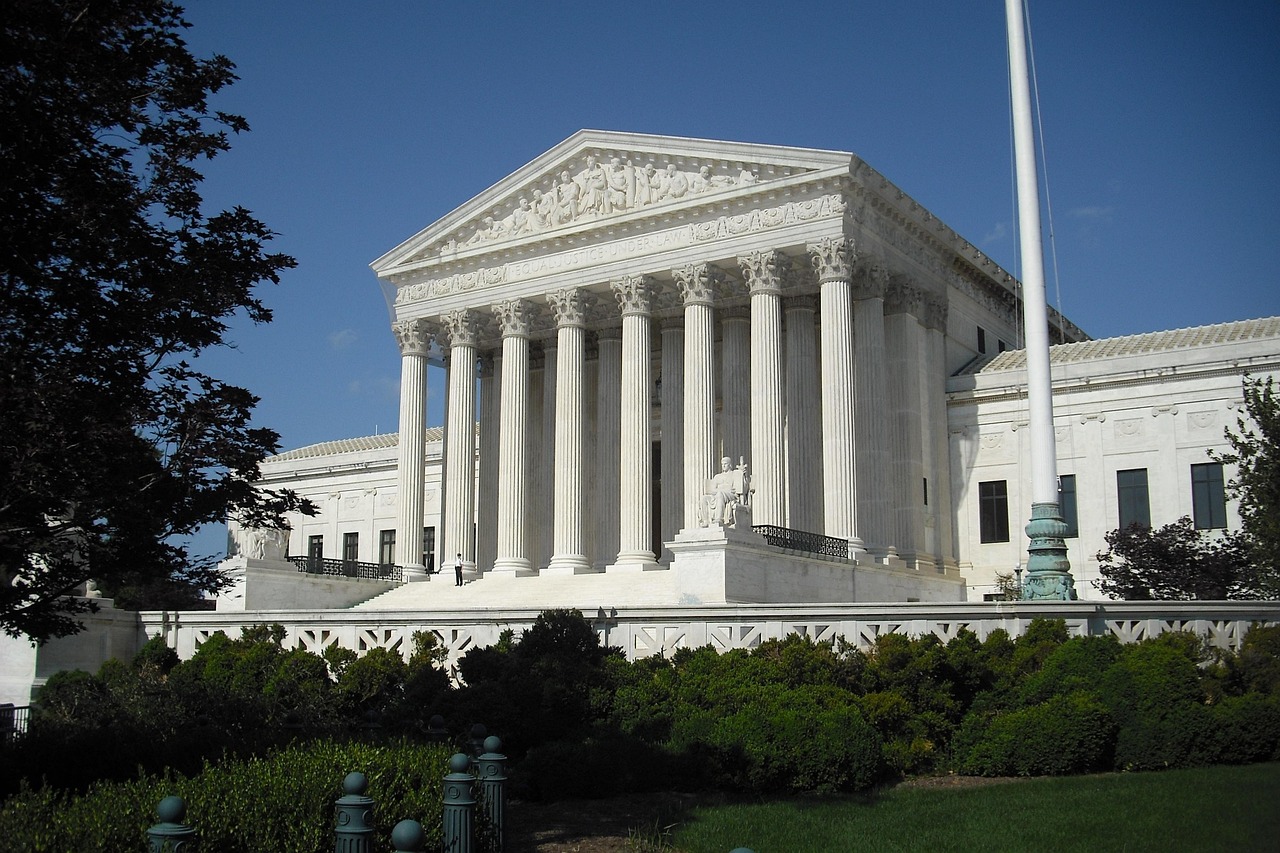
Sen. Ted Cruz (R-Texas) is shutting down speculation that he could be headed to the Supreme Court, even as President Trump continues to float his name as a potential nominee if a vacancy opens.
Cruz revealed Wednesday that Trump previously approached him “seriously” about joining the high court — not once, but three times — during his first term. Each time, Cruz said, he declined.
“In the first Trump term, the president spoke to me seriously about all three vacancies, and three times I said no, because I don’t want to be out of the arena of the political battle,” Cruz said during a Wall Street Journal Opinion Live interview.
“I think there’s, there’s, there’s too much need there,” he added, pointing to ongoing policy fights in Congress.
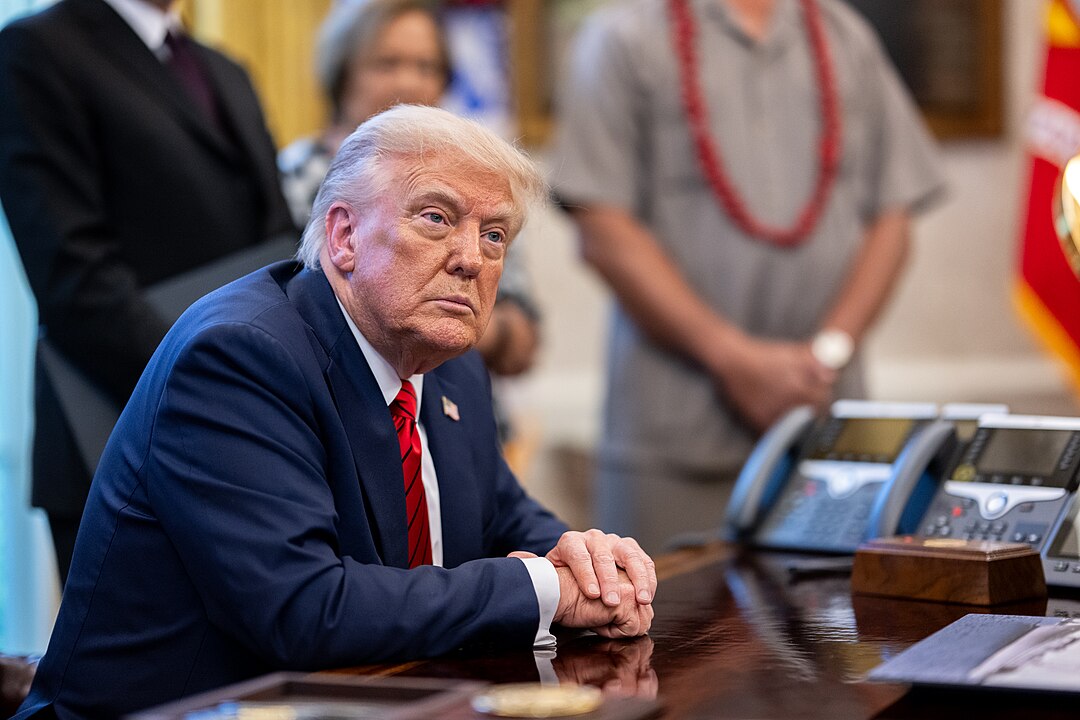
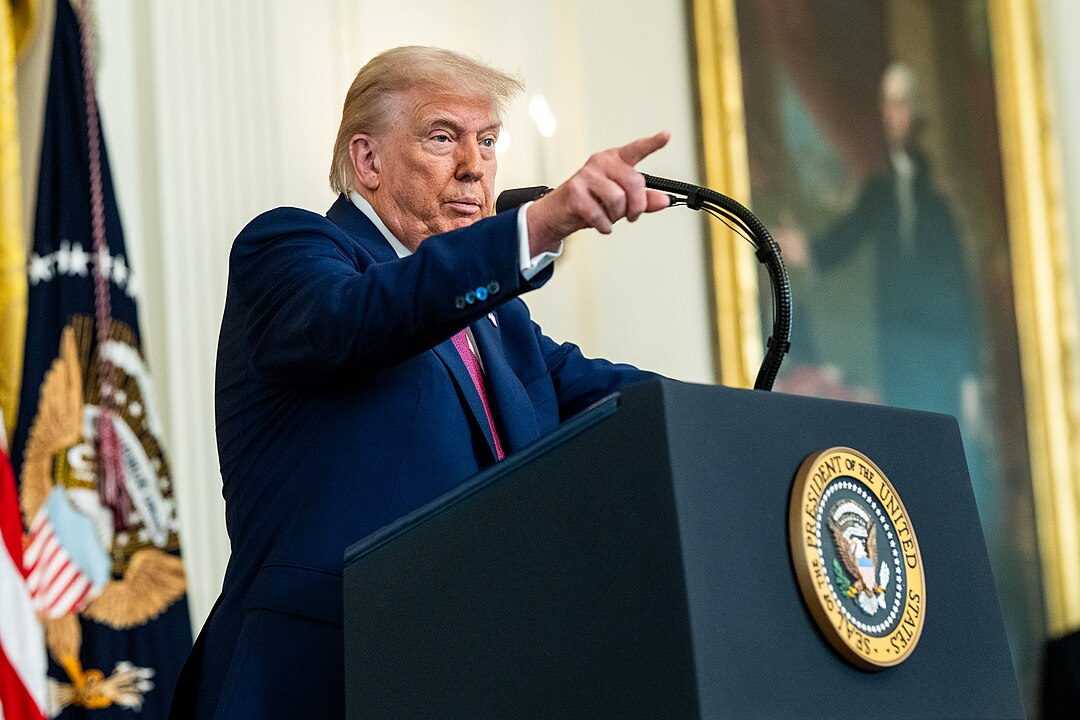
The comments come as Trump openly discusses the possibility of new Supreme Court appointments in his second term, particularly with Justices Clarence Thomas, 77, and Samuel Alito, 76, drawing increased attention due to their age. Trump has said he is “prepared” to nominate one — or even multiple — justices if vacancies arise, fueling speculation about who could be on his shortlist.
Cruz’s name has repeatedly surfaced in that conversation, and Trump himself has leaned into the idea. At a February event in Corpus Christi, Texas, the president suggested Cruz would have an unusually smooth confirmation process.
“Getting these nominations through is very tough, and he’s the only guy I know who’ll get 100 percent of the Democrat vote, 100 percent of the Republican vote,” Trump said. “They want to get him out of there.”
Despite the praise, Cruz made clear the Supreme Court is not where he wants to be.
“I don’t want to be a judge. A principled federal judge stays out of policy fights and stays out of political fights. If I were a judge, I would do that. I don’t want to do that,” Cruz said. “I want to be right in the middle of political and policy fights. And if you want to do that, the right place to do that is an elected office.”
Instead, Cruz argued his impact comes from shaping legislation — not interpreting it.
“And listen, we were talking a minute ago about some of the policy victories we’ve won, things like school choice and the Trump accounts. If I were a judge, neither one of those would exist, because the only reason they’re there is because I wrote the bill and then fought tooth and nail to get them in the bill,” he said.
Cruz, who previously served as Texas solicitor general and has argued cases before the Supreme Court, emphasized that his focus remains on advancing conservative policy priorities and confirming judges aligned with that vision.
“I’d like to be part of nominating and confirming dozens, hundreds of principled constitutionalist judges. I don’t want me to be one of them,” he added.