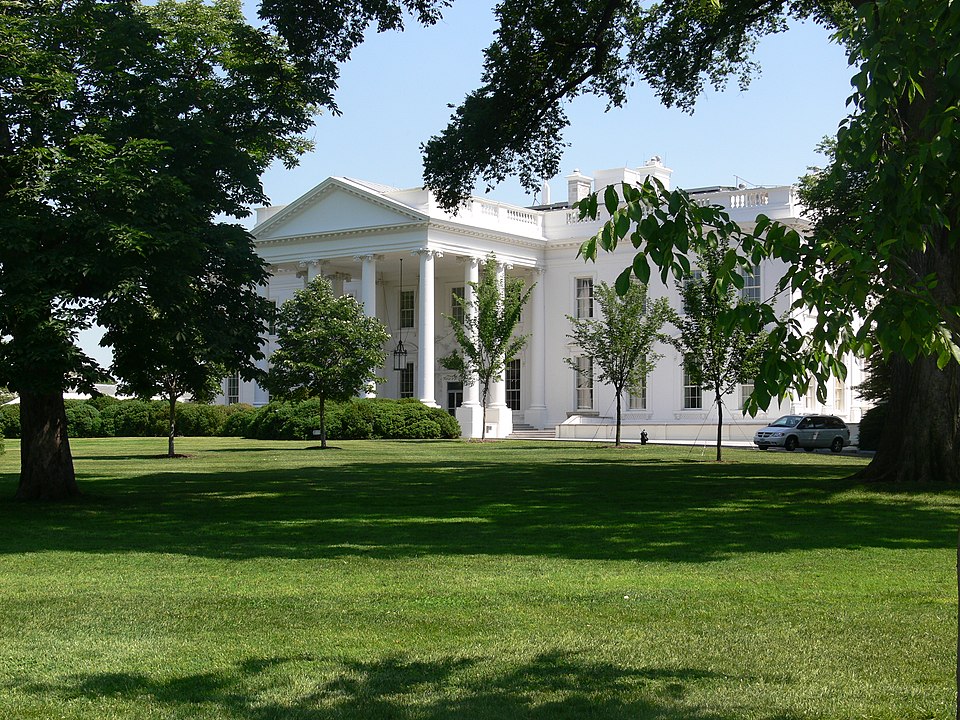
The White House on Wednesday pushed back on reports suggesting the United States had formally requested an extension of the temporary ceasefire with Iran, underscoring instead that negotiations remain active and ongoing.
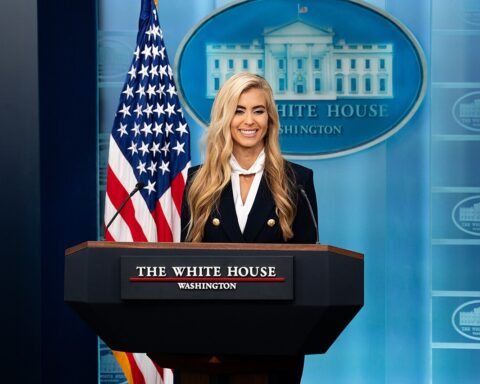
Press secretary Karoline Leavitt addressed the claims during a briefing, making clear that no such request has been made at this stage.
“At this moment, we remain very much engaged in these negotiations, in these talks,” Leavitt said.
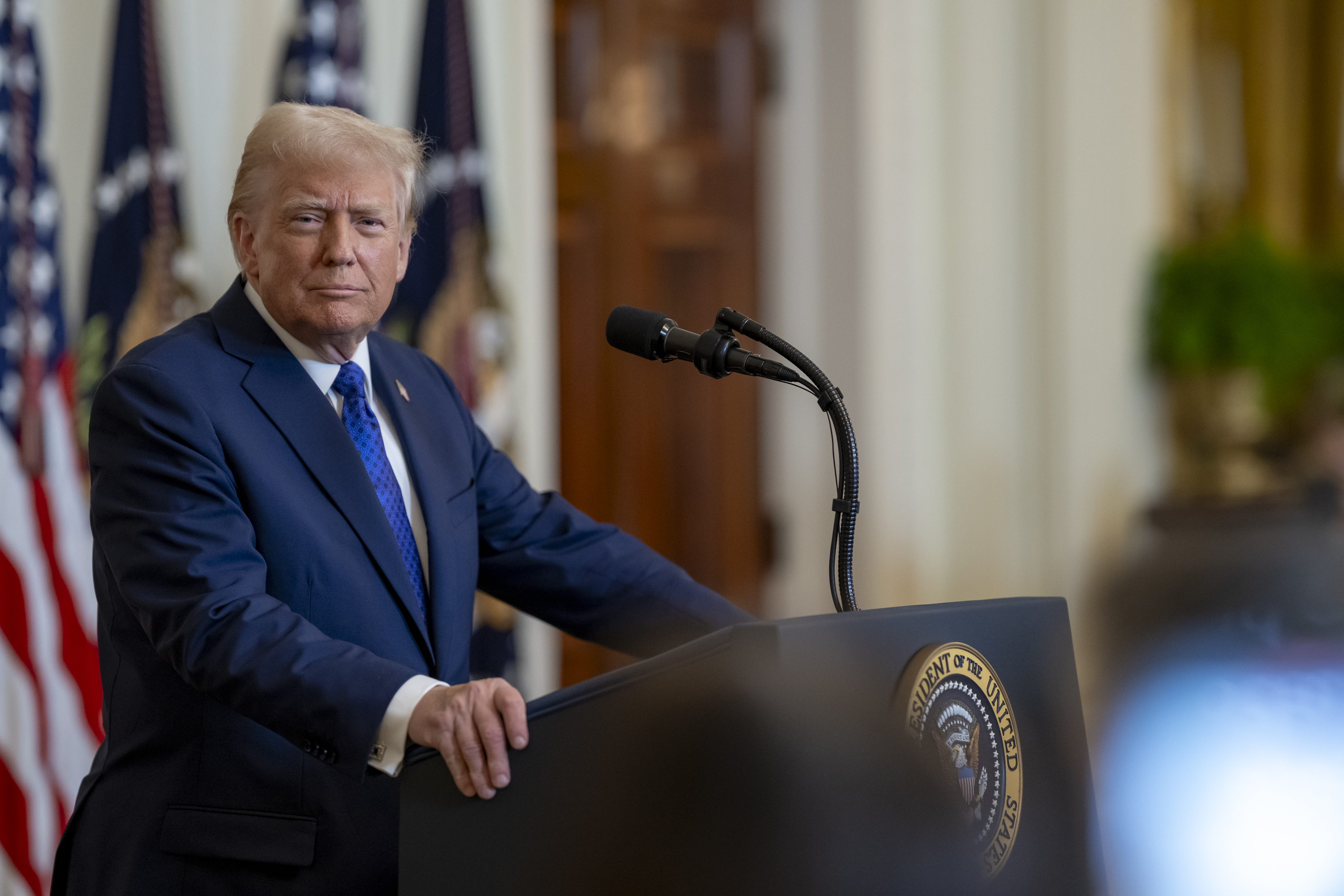
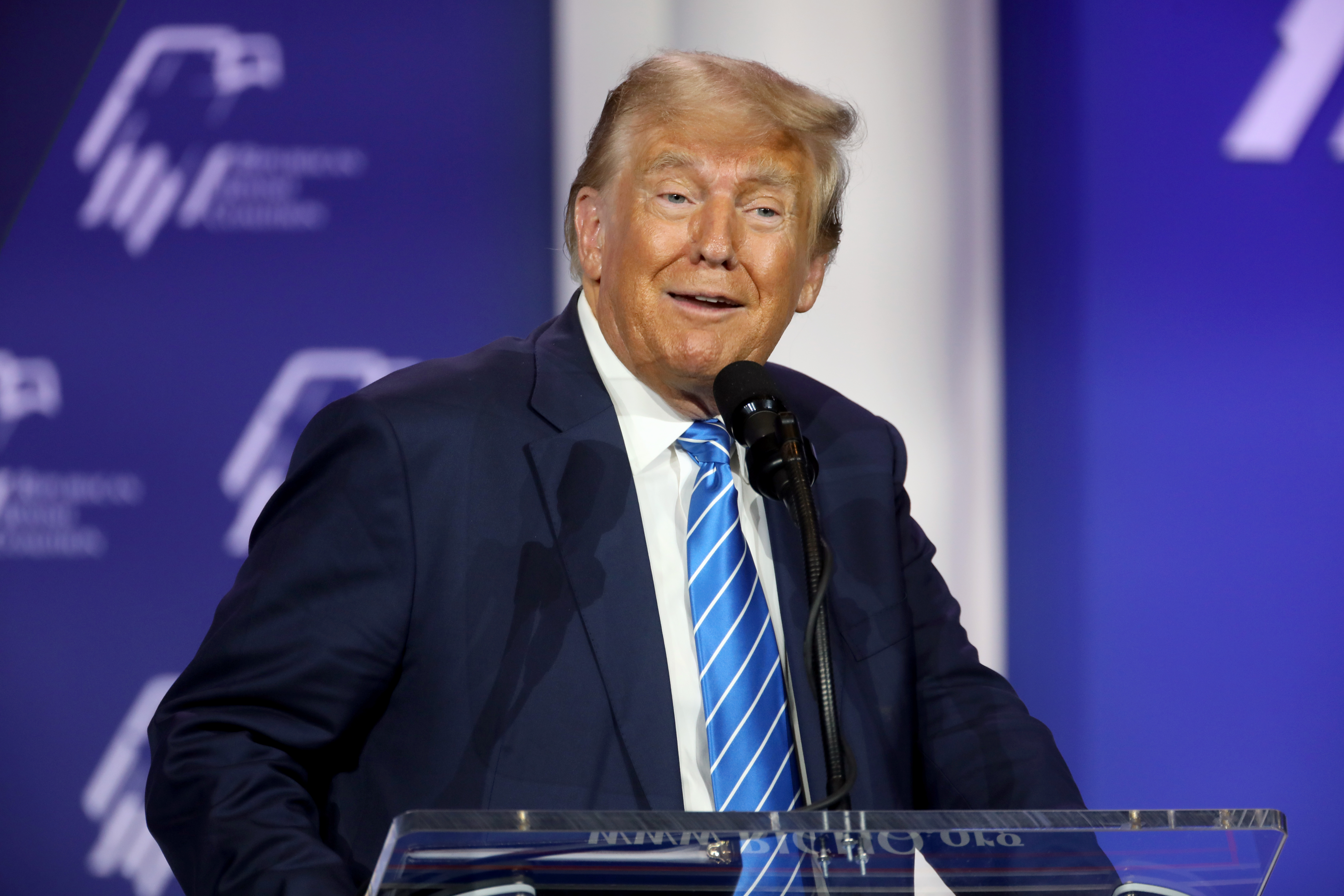
The denial comes amid heightened scrutiny over the status of the two-week ceasefire framework announced by President Donald Trump earlier this week. That agreement, reached after a period of escalating rhetoric and military pressure, is intended to create space for broader diplomatic discussions aimed at de-escalating the conflict and potentially reaching a longer-term settlement.
While some reports had suggested the administration was already seeking to extend the pause in hostilities, Leavitt’s remarks signal that the White House is focused on advancing negotiations within the existing timeline rather than publicly pushing for additional time.
At the same time, the administration is projecting confidence about the direction of those talks.
Leavitt said the White House feels good about the prospects of reaching a deal with Iran, even as major sticking points—particularly around Tehran’s nuclear program and regional security issues—are expected to dominate upcoming discussions.
The press secretary also indicated that future rounds of negotiations are likely to take place in Islamabad, continuing a diplomatic track that has relied on third-party mediation.
“They would very likely be in the same place as they were last time, yes,” she said.
Leavitt praised Pakistan’s role in facilitating dialogue between Washington and Tehran, highlighting its importance as a neutral venue capable of bringing both sides to the table during a volatile period.
The ceasefire itself followed days of sharp escalation, including direct threats from Trump against the Iranian regime before a sudden pivot toward diplomacy. The administration has since emphasized a dual-track approach—maintaining pressure while exploring avenues for negotiation.
With formal peace talks expected to ramp up in the coming days, the question now is whether the existing ceasefire window will be sufficient to produce a meaningful breakthrough, or if additional time—and potentially more concessions—will be required to secure a lasting agreement.