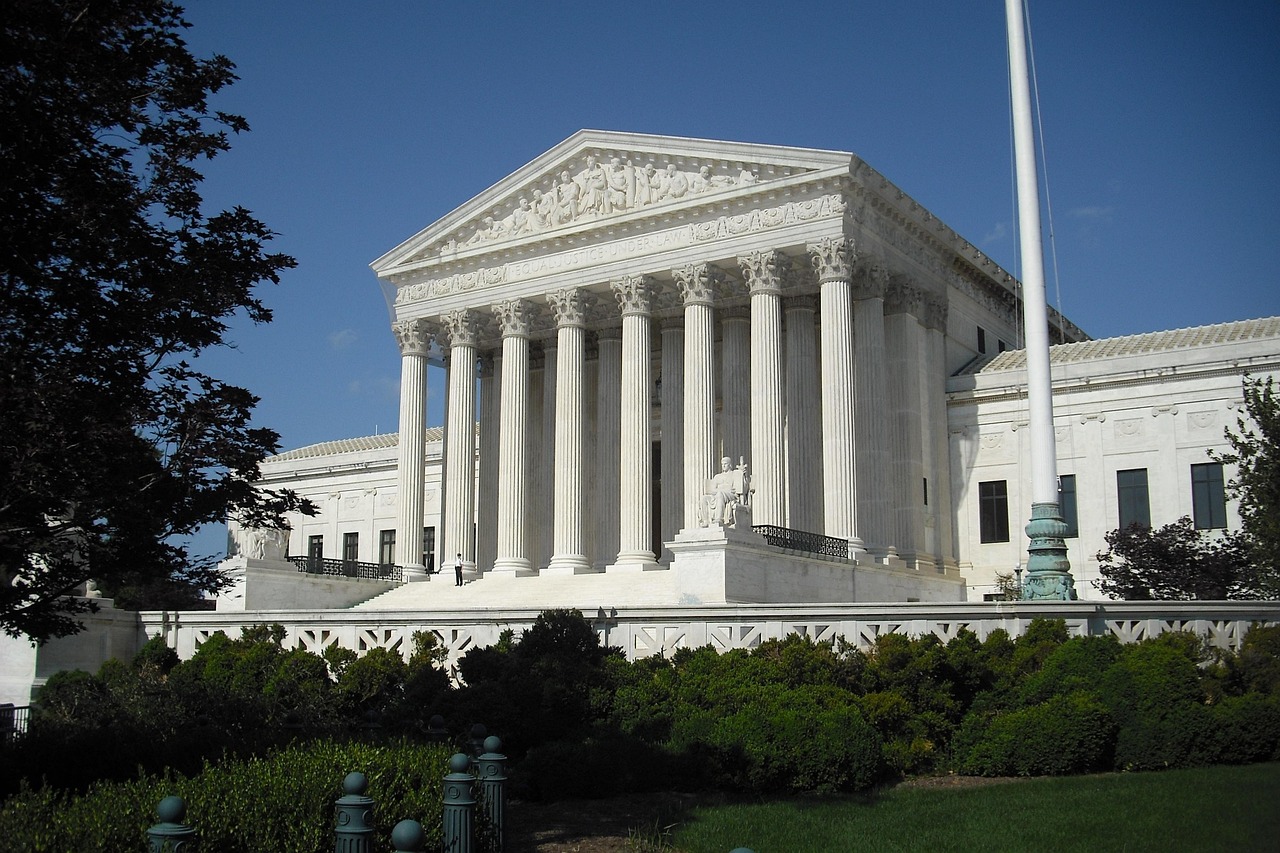
WASHINGTON — In a major victory for President Donald Trump’s immigration agenda, the U.S. Supreme Court ruled Thursday that the administration can move forward with ending Temporary Protected Status (TPS) for hundreds of thousands of Haitian and Syrian immigrants, dramatically expanding the president’s authority to roll back humanitarian immigration protections.
The Court ruled 6-3 that federal courts have little authority to review many legal challenges to the administration’s decisions to terminate TPS designations, clearing the way for the Department of Homeland Security to revoke protections that have shielded migrants from deportation and allowed them to legally work in the United States.
Writing for the conservative majority, Justice Samuel Alito said Congress intentionally limited judicial review of TPS decisions.
“The TPS statute plainly bars consideration of respondents’ non-constitutional claims,” Alito wrote.
Alito also concluded that the immigrants’ remaining constitutional claims were unlikely to succeed.
The Court’s three liberal justices dissented.
The decision affects roughly 350,000 Haitians and approximately 6,000 Syrians currently protected under TPS, according to court filings. More broadly, the ruling strengthens the administration’s effort to dismantle humanitarian protections affecting as many as 1.3 million immigrants from 17 countries.
Major Win for Trump’s Immigration Crackdown
The ruling marks one of the most significant immigration victories for Trump’s second administration as it aggressively pursues campaign promises to tighten immigration enforcement and reduce temporary legal protections.
Since returning to office, the administration has sought to terminate TPS for 13 of the 17 countries that held the designation when Trump took office, arguing that conditions in those nations have improved enough that their citizens can safely return home. The remaining TPS designations are also expected to expire in the coming months unless renewed.
The Department of Homeland Security has argued that the TPS program had been expanded far beyond its intended purpose under the Biden administration and that courts improperly interfered with the executive branch’s authority over immigration policy.
The administration maintained that judges should not be allowed to second-guess the homeland security secretary’s determination that countries no longer qualify for TPS protections.
What Is Temporary Protected Status?
Congress created Temporary Protected Status in 1990 to protect foreign nationals already living in the United States from deportation when conditions in their home countries make returning unsafe.
Countries may receive TPS designations because of:
- Armed conflict
- Natural disasters
- Epidemics
- Other extraordinary and temporary conditions
Recipients receive protection from deportation and authorization to work legally in the United States, but TPS does not provide a direct pathway to permanent residency or citizenship.
Opponents Warn Countries Remain Dangerous
Immigrant advocates argued that Haiti and Syria remain unsafe despite the administration’s conclusions.
Haiti continues to struggle with widespread gang violence, political instability, kidnappings, and humanitarian crises, while portions of Syria remain unstable despite the fall of Bashar al-Assad’s regime and continuing conflict among armed factions. Attorneys representing TPS holders argued that the administration rushed the termination process and failed to properly evaluate current conditions before ending the protections.
Lower federal courts had previously blocked the administration from ending TPS for both countries while litigation continued. Thursday’s Supreme Court ruling removes those obstacles.
Part of a Broader Legal Trend
The decision continues a series of Supreme Court rulings that have largely favored the Trump administration’s expansive view of executive authority over immigration.
Last year, the Court similarly allowed the administration to end TPS protections for hundreds of thousands of Venezuelans while legal challenges proceeded. Thursday’s decision could make future challenges to TPS terminations significantly more difficult because the Court concluded that Congress largely insulated these decisions from judicial review.