U.S. and Iranian officials are meeting today for a second round of negotiations over Iran’s nuclear program, as President Trump’s administration continues pursuing a diplomatic breakthrough that has so far remained difficult to secure.
Talks are taking place Tuesday in Geneva, Switzerland. The U.S. delegation is being led by President Trump’s special envoy Steve Witkoff and senior adviser Jared Kushner, both of whom have played major roles in the administration’s broader peacemaking efforts, including ongoing negotiations related to Israel and Hamas in Gaza.
The meeting follows indirect discussions held earlier this month in Oman, where representatives from both countries explored potential diplomatic solutions to Iran’s accelerating nuclear activity. After that session, both sides described the talks as productive and signaled plans to reconvene.
The latest push comes amid heightened regional instability. The U.S. and Iran participated in nuclear talks last year, but Iran withdrew after Israel launched airstrikes in June targeting Tehran’s nuclear facilities and military sites. The U.S. later carried out strikes of its own against three Iranian nuclear locations.
Tensions between Washington and Tehran have continued to rise in recent months, especially as Iran’s regime has faced nationwide protests that were met with brutal crackdowns, leaving thousands dead.
While the Trump administration ultimately refrained from striking Iran during the height of the unrest, it has steadily increased U.S. military assets in the region in preparation for potential escalation.
On Monday, Iranian naval forces launched military exercises in the Strait of Hormuz on the eve of the Geneva talks, widely viewed as a show of strength. The drills included rehearsals for responding to security threats in the strategic waterway.
Despite the mounting pressure, President Trump has not removed diplomacy from the table and continues seeking a deal that could further strengthen his foreign policy legacy, a major focus throughout his second term.
His decision to hold off on strikes thus far suggests the president still sees a possible path forward, even if negotiations remain challenging.
Witkoff and Kushner are also expected Tuesday to take part in separate discussions involving Russian and Ukrainian officials as part of ongoing efforts to end the war in Eastern Europe — one of the administration’s most difficult diplomatic tests.
The White House has sought to portray President Trump as a global peacemaker working to resolve conflicts worldwide, though ending the Russia-Ukraine war has proven especially complex.
A breakthrough on Iran’s nuclear ambitions would represent a major achievement, but administration officials have acknowledged the obstacles.
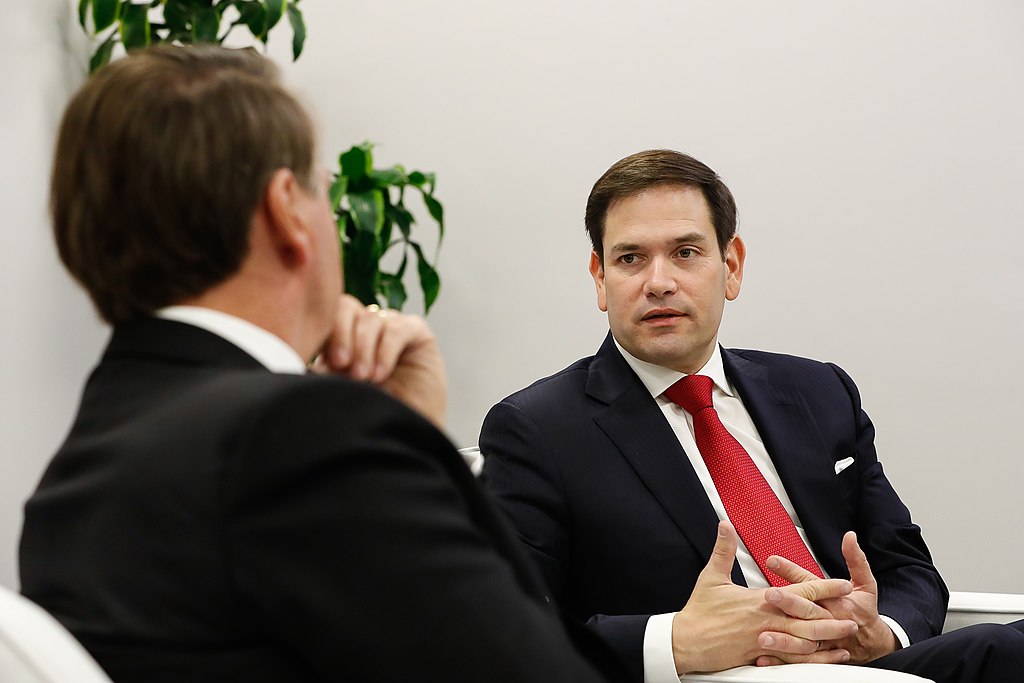
“These people make policy decisions on the basis of pure theology,” Secretary of State Marco Rubio said of Iran during a trip to Hungary on Monday. “That’s how they make their decisions. So, it’s hard to do a deal with Iran. We’ve always said it’s hard, but we’re going to try.”
Rubio’s remarks came during a multiday trip that included the Munich Security Conference in Germany over the weekend. He reportedly struck a more conciliatory tone toward European allies than Vice President Vance did at last year’s conference, aiming to reassure partners that the U.S. remains committed to working together on security.
Meanwhile, concerns remain that negotiations may fail. CBS News reported that President Trump told Israeli Prime Minister Benjamin Netanyahu in December that the U.S. would support another round of Israeli strikes on Iran if talks collapse.
According to the report, senior military and intelligence officials have begun considering backing additional strikes following Trump and Netanyahu’s meeting in Washington last week.