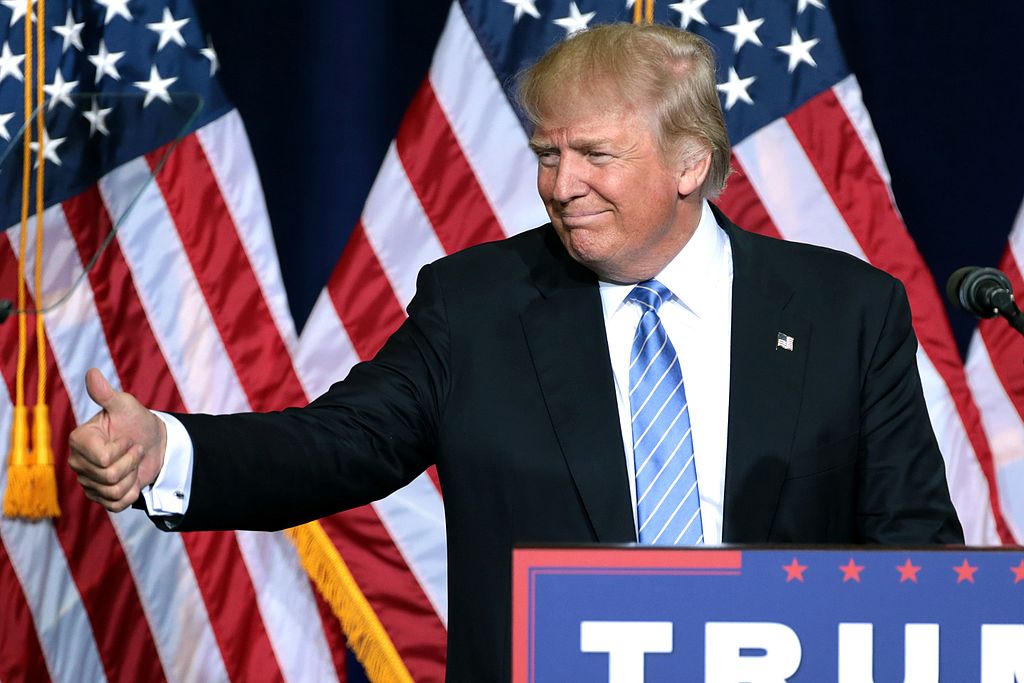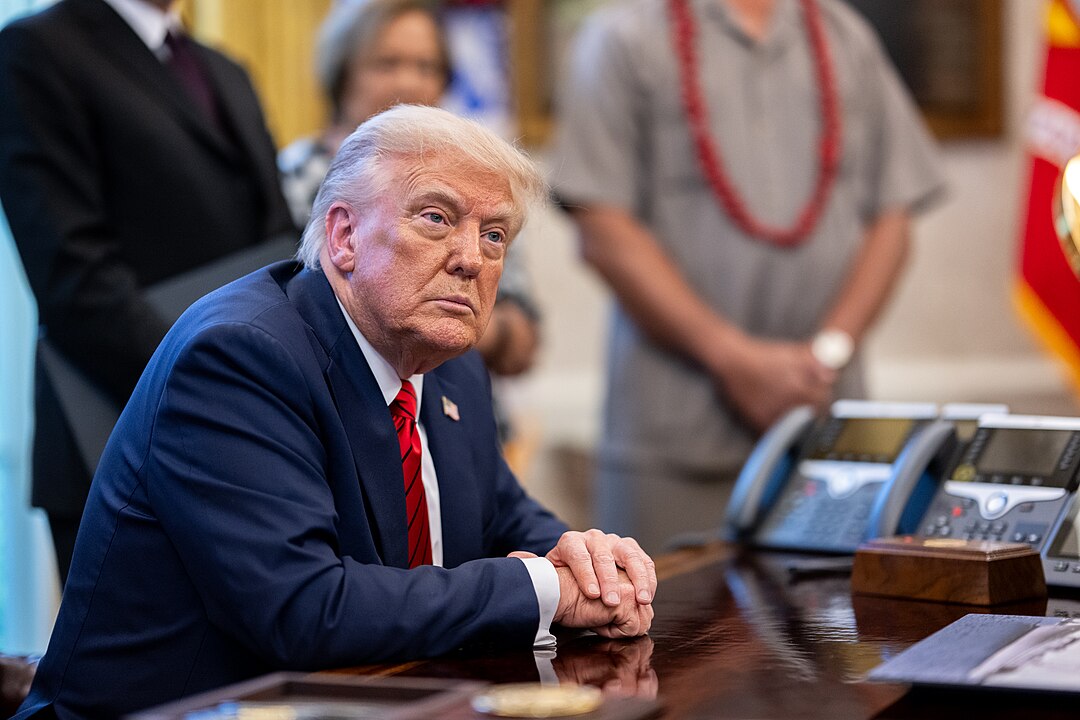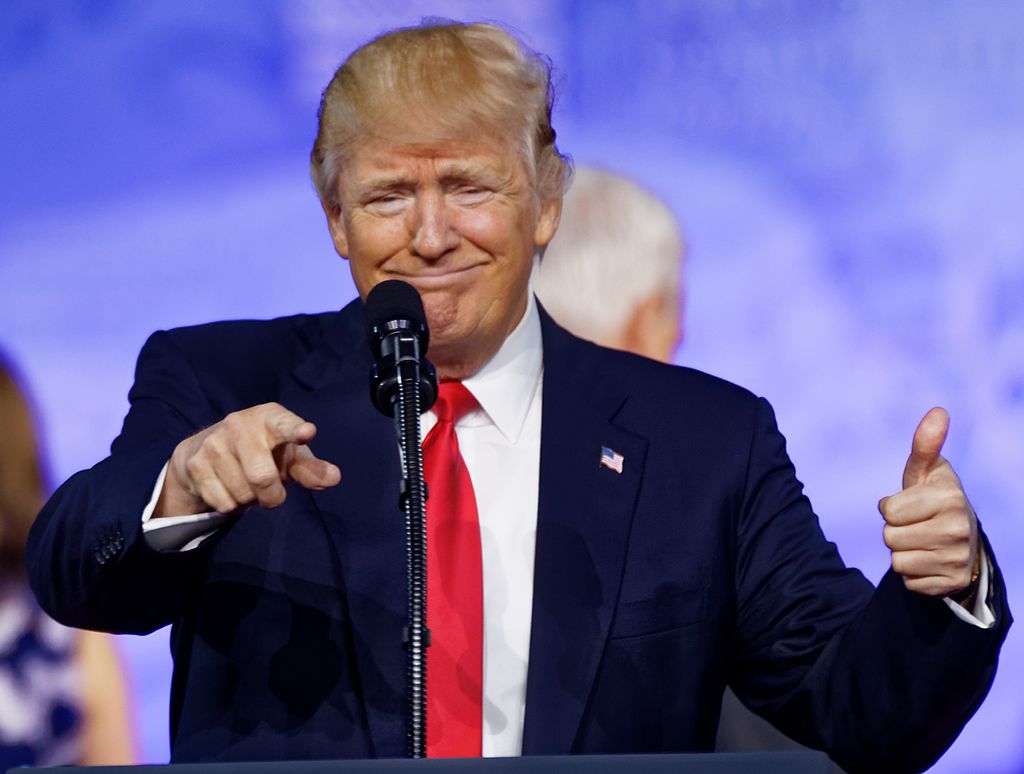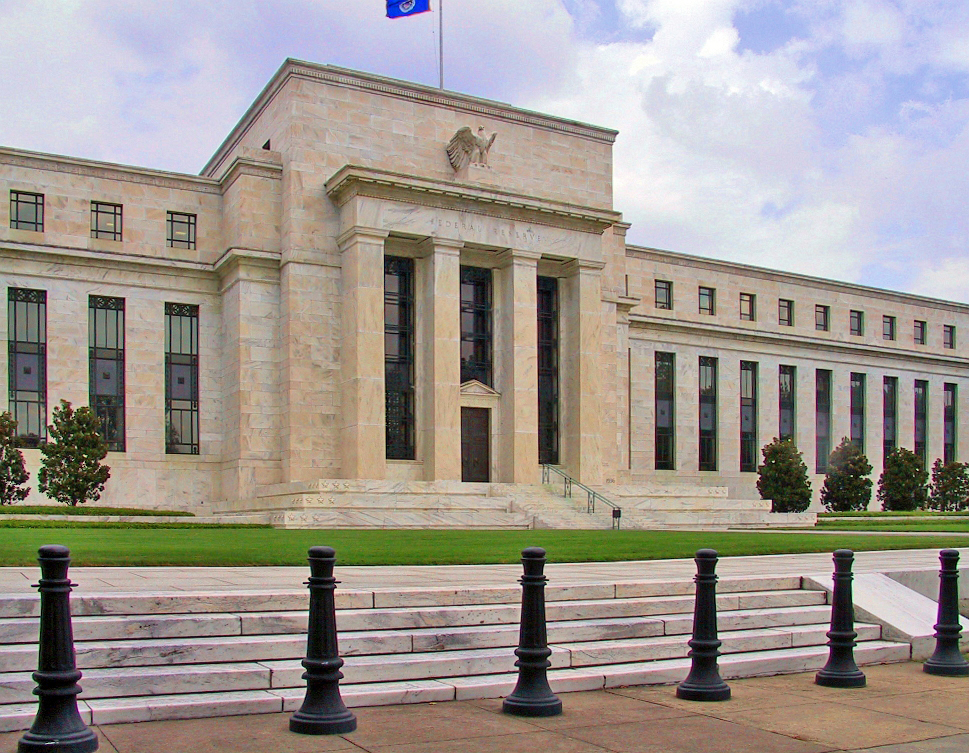
President Donald Trump is demanding that the Federal Reserve reverse course after it raised interest rates for the first time in three years — but he is directing most of his anger away from the central bank chairman he personally selected.
Hours after the Fed approved a quarter-point increase Wednesday, Trump called for rates to be slashed to 1% or lower and later accused the board of moving against him for political reasons.
“Interest Rates in the United States should be 1%, or less, because we are the Best Credit in the World — BY FAR,” Trump wrote on Truth Social, according to Forbes.
“LOWER THE INTEREST RATES FOR THE UNITED STATES OF AMERICA, AND FAST!” the president added, according to CNA.
Trump Stands By His Fed Chairman
Despite the public clash over rates, Trump said he still has confidence in Federal Reserve Chairman Kevin Warsh, whom he tapped to succeed Jerome Powell.
Speaking to reporters, Trump suggested he had told Warsh that opposing the increase would not have changed the outcome.
“I talked to Kevin, and I said you might as well vote with the board because it’s not going to matter,” Trump said, according to CNA. “The board is very hostile. They’re very political. They’re doing the wrong thing.”
The president’s defense of Warsh creates an unusual split: Trump is rejecting the Fed’s decision while sparing the official who led the meeting and joined the vote.
The Federal Open Market Committee approved the increase 12-0, according to the Fed’s official statement. The move lifted the target range for the federal funds rate from 3.5%-3.75% to 3.75%-4%.
The benchmark does not directly set the rate Americans pay for a mortgage, auto loan or credit card. But it influences borrowing costs throughout the economy, making Wednesday’s decision especially consequential for households and businesses already navigating elevated prices.
Warsh Says Inflation Forced The Move
Warsh described the rate increase as necessary to bring inflation back toward the Fed’s 2% goal.
“The plain fact is that inflation is too high and has been for too long,” Warsh said during his post-meeting press conference.
The chairman pointed to a resilient economy, strong capital investment and a labor market that remains close to full employment. He also estimated that total personal consumption expenditures inflation was running around 3.6% in August, while noting that price increases remained too broad across the economy.
“This summer’s inflation readings do not tell me that underlying trends have meaningfully improved,” Warsh said.
New Fed projections also opened the door to additional action. The median policymaker forecast placed the federal funds rate at 4.1% at the end of 2026, signaling that at least one more increase could follow before the year is over.
That would push the central bank even further from Trump’s demand for rates of 1% or less — and could set up another White House-Fed confrontation ahead of the midterm elections.
Trump Links Rates To America’s Trade Deficits
Trump used his response to revive another economic warning: that the United States is losing enormous sums through its trade deficits.
“If we stopped Trading with every country that we have a Deficit with, which is most of them, we would make, at least, 1.5 Trillion Dollars a year,” Trump wrote, according to The Wall Street Journal.
“The word ‘Deficit’ is nothing more than a fancy word for LOSS,” he continued. “We are ‘carrying’ almost every country in the World, and that cannot go on any longer.”
Trade balances and the Fed’s benchmark rate are separate policy issues, but Trump has repeatedly connected them while arguing that America’s economic strength should translate into dramatically cheaper borrowing.