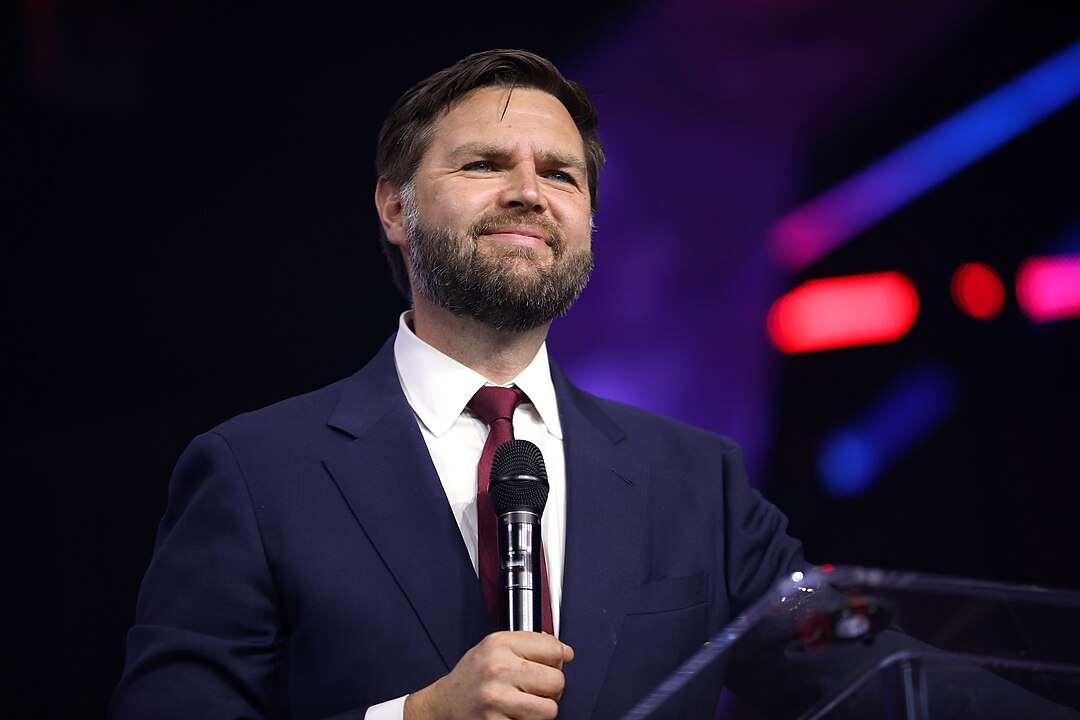
Vice President JD Vance arrived in Switzerland on Sunday to begin the first round of face-to-face technical negotiations with Iran since the high-profile Islamabad summit in April, marking a critical new phase in the Trump administration’s effort to secure a lasting agreement with Tehran.
The talks, taking place at the luxury Bürgenstock resort overlooking Lake Lucerne, bring together representatives from the United States, Iran, Pakistan, and Qatar. The negotiations follow last week’s signing of a memorandum of understanding (MOU) that established a 60-day framework for addressing some of the most contentious issues dividing Washington and Tehran, including Iran’s nuclear program and regional security concerns.
Speaking to reporters before departing Joint Base Andrews on Saturday, Vance said the administration’s immediate priorities are clear.
“I’m looking forward to starting the technical talks with the Iranians, the Pakistanis, and the Qataris,” Vance said. “We’re going to hopefully make progress on the nuclear issue, make progress on the Lebanon ceasefire issue — those are the two big things that I think we’re going to be focused on.”
The vice president is leading the American delegation alongside Special Envoy Steve Witkoff and senior adviser Jared Kushner, both of whom played key roles in negotiating the preliminary framework agreement signed earlier this month.
From Islamabad to Switzerland
The Switzerland summit represents the next chapter in a diplomatic process that began with marathon negotiations in Islamabad earlier this year. Those talks ended without a final agreement, largely because of disputes over Iran’s nuclear activities, sanctions relief, and the status of the strategically vital Strait of Hormuz.
The newly signed MOU succeeded where the Islamabad talks fell short by creating a roadmap for continued negotiations rather than demanding an immediate comprehensive settlement. Under the framework, both sides have 60 days to pursue a broader agreement aimed at reducing regional tensions and addressing long-standing security concerns.
Regional Tensions Loom Over Talks
The negotiations begin amid fresh instability in the Middle East.
Iran announced Saturday that it was moving to restrict traffic through the Strait of Hormuz following deadly clashes involving Israel and the Iran-backed Hezbollah movement. Although Israel and Hezbollah reaffirmed a ceasefire agreement on Friday, sporadic violence over the weekend underscored the fragility of the situation.
The Lebanon ceasefire has become one of the central issues at the summit. According to multiple reports, negotiators are discussing the creation of a U.S.-Iran-Lebanon “deconfliction cell” designed to prevent renewed fighting and improve communication among the parties involved.
Early Signs of Progress
Addressing the summit shortly after his arrival, Vance described the gathering as the beginning of a longer process rather than a final breakthrough.
“What today really represents is the beginning of a technical negotiation,” Vance said. “[It’s] going to allow us to sit together, as teams, for the first time really in history, to figure out what matters most to the respective parties, to settle those issues and get to a better tomorrow.”
Among the early developments reportedly under discussion are renewed access for United Nations nuclear inspectors, mechanisms to keep commercial shipping lanes open in the Strait of Hormuz, and potential economic incentives tied to frozen Iranian assets.
Whether the negotiations ultimately produce a lasting agreement remains uncertain.