The Los Angeles Dodgers are heading back to the White House later this month to celebrate another World Series championship, but as in years past, the visit has once again become the subject of political debate.
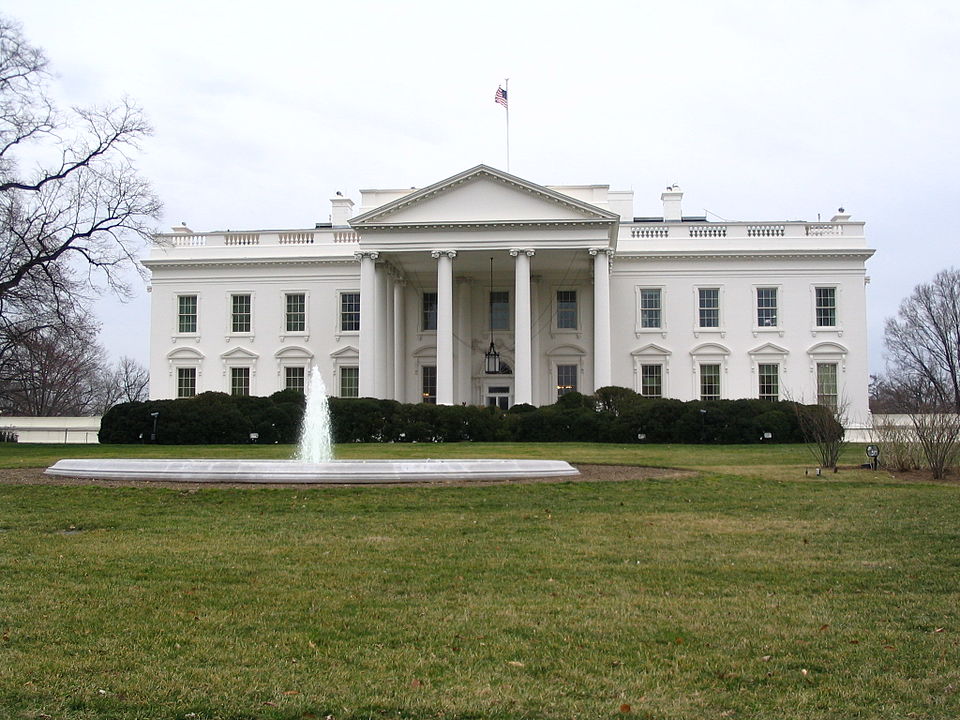
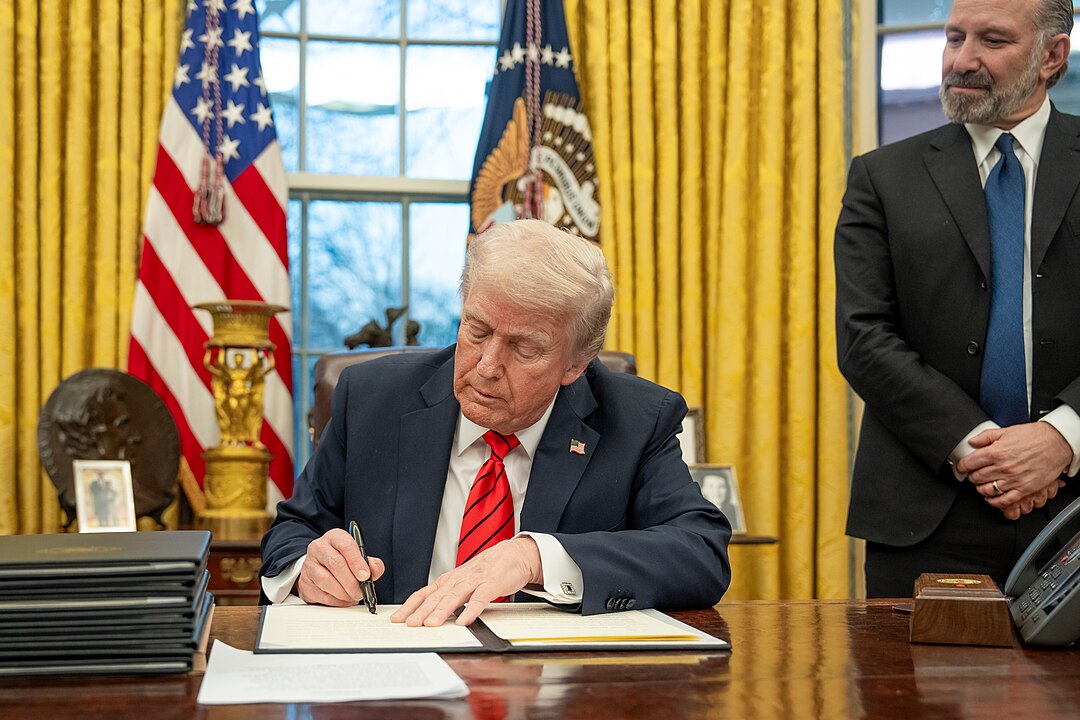
President Donald Trump is expected to host the defending champions on July 23, continuing the decades-long tradition of presidents honoring championship teams. Yet even before the visit takes place, questions over which players will attend—and why—have overshadowed what has historically been a ceremonial celebration of athletic achievement.
The controversy highlights a broader trend in professional sports, where White House visits have increasingly become political litmus tests.
Pressure From Outside the Clubhouse
Following the Dodgers’ 2025 World Series victory, progressive advocacy groups and some media figures urged the team to decline Trump’s invitation.
The National Day Laborer Organizing Network called on the franchise to stand “on the right side of history,” while a columnist for the Los Angeles Times argued it was difficult to imagine the Dodgers participating because Los Angeles is “Democrat blue.”
Supporters of the visit have countered that such arguments ignore both the purpose of the tradition and the diversity of the Dodgers’ fan base.
While Los Angeles County overwhelmingly votes Democratic, it is also home to more registered Republicans than any other county in the nation by raw numbers. The Dodgers likewise have one of Major League Baseball’s largest national followings, with fans spread across states representing a wide range of political viewpoints.
For many players, coaches, and fans, the White House visit is viewed less as a political endorsement than as recognition of a championship season.
Mookie Betts Says Family Comes First
Much of the attention this year has centered on star shortstop Mookie Betts, who confirmed he will not accompany the team to Washington.
Betts said the decision has nothing to do with politics and everything to do with spending time with his family after the recent birth of his child.
“I’m not trying to make this a whole big deal,” Betts said. “We just had a baby. You don’t get many days off. They’re coming [on the road trip]. And just want to hang out with the fam. That’s really kind of it. But people are gonna make it a whole bunch of other stuff.”
He acknowledged that, regardless of what he chose, critics would likely interpret the decision through a political lens.
“If I do [go], people are gonna hate me. If I don’t, people are gonna hate me,” Betts said. “So instead of trying to make everyone else happy, I’m gonna think about myself and my family.”
“People are gonna try to drag me into politics, just because I am who I am,” he said. “That’s just the cards I’m dealt. So it is what it is.”
Betts attended the Dodgers’ previous White House celebration after the club won the 2024 World Series.
Hernández Also Expected to Miss Visit
Outfielder Kiké Hernández also indicated he would not attend the ceremony, though his circumstances differ.
Hernández is expected to be on a rehabilitation assignment while the Dodgers are on the East Coast. Even so, he told reporters he likely would have skipped the event regardless, citing disagreements with the Trump administration’s immigration policies.
A Tradition Under Increasing Scrutiny
Dodgers manager Dave Roberts has stood by the tradition of visiting the White House, noting that receiving the invitation is a reflection of winning a championship.
“You hope you get this invitation every year,” Roberts has said, because it means the team won the World Series.
White House visits for championship teams have existed across administrations of both political parties for decades. In recent years, however, the ceremonies have increasingly drawn public debate as athletes, activists, commentators, and fans have assigned political significance to attendance—or the decision to stay home.
The Dodgers’ upcoming visit appears likely to continue that pattern, with individual player choices generating headlines alongside the celebration itself.
READ NEXT: Dodgers Reportedly Set for White House Visit to Celebrate Back-to-Back World Series Titles