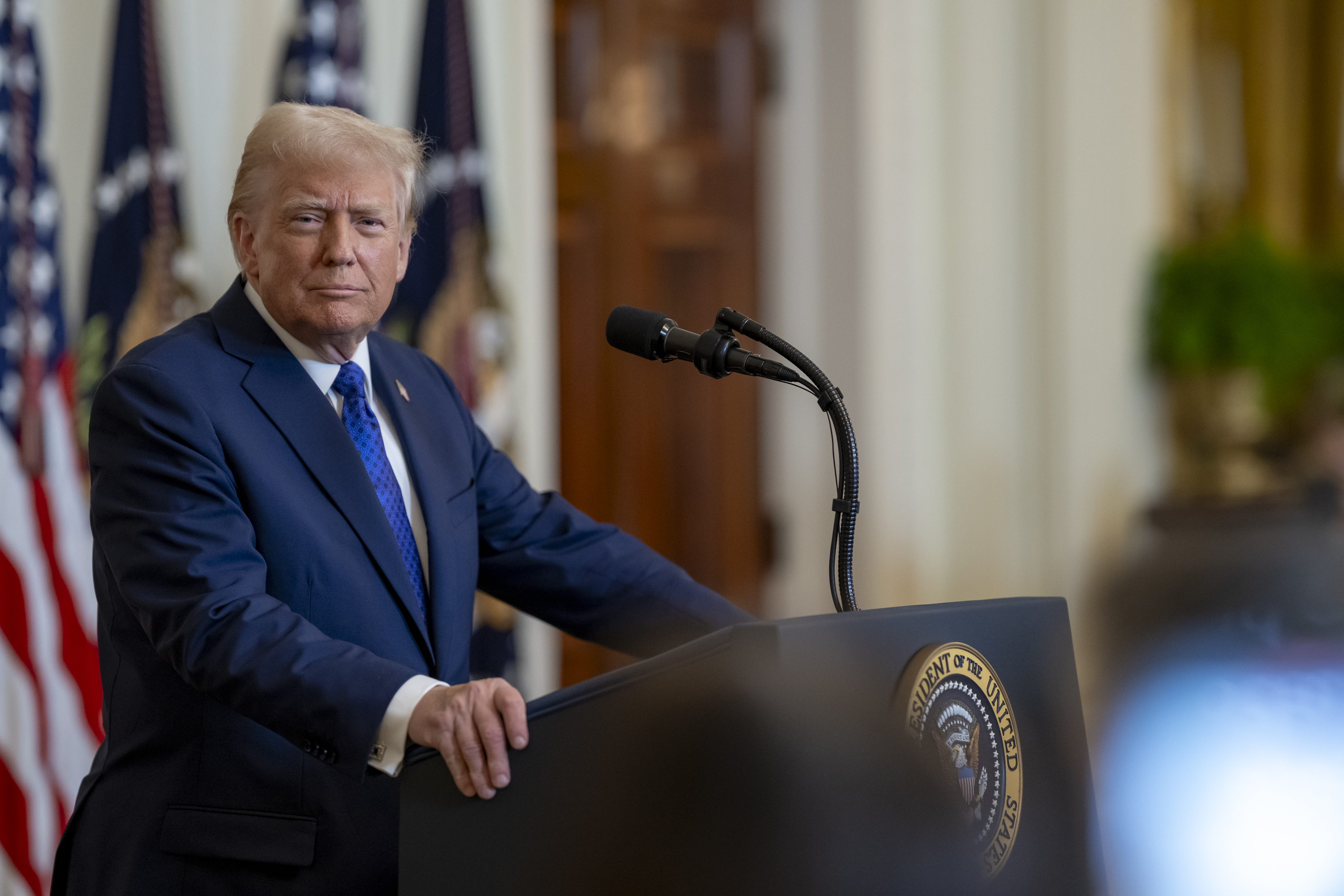
President Donald Trump on Monday, December 8, 2025, announced a $12 billion “economic assistance” package for U.S. farmers who the White House says have been squeezed by weaker foreign demand following the administration’s tariff rollout.
Speaking at a televised roundtable at the White House, Trump said he wanted to help farmers because he “loves them.”
“And as you know, the farmers like me,” Trump said, “based on voting trends.”
According to administration officials, most of the money—up to $11 billion—will be delivered as one-time payments through the Agriculture Department’s Farmer Bridge Assistance program, with the remaining funds aimed at other categories including specialty crops.
Who the aid targets—and why it’s being rolled out now
The assistance is expected to cover producers of major commodities including cotton, corn, soybeans, rice, wheat, and potatoes, along with cattle farmers, and is being framed by the administration as a short-term “bridge” to help producers manage costs and cash-flow pressures going into the next growing season.
The announcement follows months of trade tension in which China halted or sharply reduced purchases of certain American farm products in retaliation for Trump’s tariff plan, hitting growers—especially soybean producers—who have historically relied heavily on Chinese demand.
Trump was flanked by Treasury Secretary Scott Bessent and Agriculture Secretary Brooke Rollins, along with other officials and farm representatives. Trump defended his tariff approach in brief remarks, saying the United States was “taking in billions — really trillions of dollars, if you think about it,” from tariffs.
The China “truce” backdrop
The announcement also comes after a late-October trade truce framework in which the White House says China agreed to major soybean purchases—12 million metric tons in late 2025 and at least 25 million metric tons annually in 2026–2028—levels broadly consistent with what China has bought in some recent years.
Still, analysts and farm groups have warned that even if volumes normalize, profitability may not—because farmers continue to face high costs for inputs like fertilizer, seed, equipment, and financing, and competitors such as Brazil have expanded supply during periods of U.S.-China trade friction.
Trump attacks Biden, raises estate tax and mental-health concerns
During the roundtable, Trump criticized former President Joe Biden, calling him a “sleepy guy” who did nothing for farmers but impose “crippling regulations.”
“He was the worst president in the history of our country, by the way, in case anybody has any questions,” Trump added.
Trump also argued that his administration has helped farm families by increasing the estate tax exemption, saying inherited farms can be difficult to keep when heirs face large tax bills.
“They go bankrupt. A lot of death, too. Literally, because they love their farm and they love their business and their way of life, they end up committing suicide,” Trump said. “A lot of suicides.”