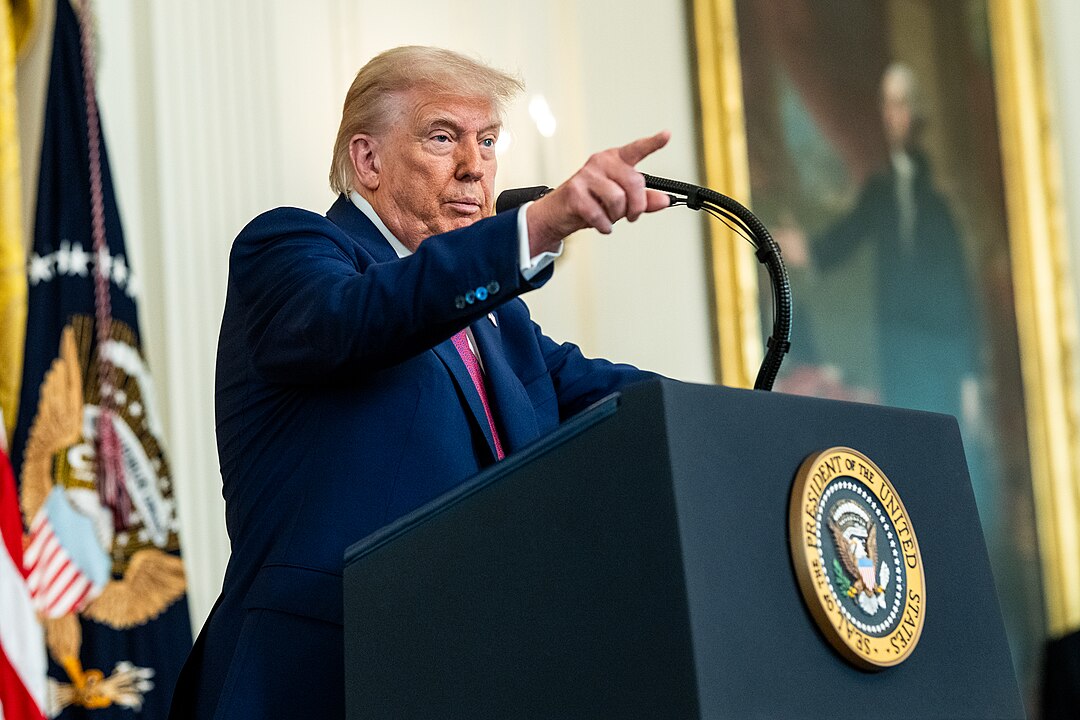
President Trump signed four bills into law on Nov. 10, 2026, including legislation expanding the independence of the office that advocates for taxpayers before the IRS, as the Republican-controlled Congress works to clear its remaining agenda before Democrats take control in January (whitehouse.gov).
The Bills
The most detailed of the four measures is H.R. 997, the National Taxpayer Advocate Enhancement Act of 2025. The law expands the authority of the National Taxpayer Advocate — an independent office within the Internal Revenue Service that helps individual and business taxpayers resolve disputes — to appoint its own legal counsel (whitehouse.gov). The change is designed to strengthen the advocate’s operational independence from IRS leadership, a priority for lawmakers on both sides of the aisle who have argued the office needs more autonomy to effectively represent taxpayers in internal agency disputes.
The three remaining bills — H.R. 1703, H.R. 1945, and H.R. 7730 — were listed in the White House announcement but their full text, sponsors, and specific provisions were not detailed in the statement. The legislative history and roll-call votes for each are available through Congress.gov.
Lame-Duck Context
The signings come during a compressed lame-duck period. With Republicans set to lose their congressional majority in January 2027, the administration and GOP leadership are moving to finalize as much legislation as possible before the transition. Lame-duck sessions often produce a burst of bill signings as both parties seek to lock in priorities that may not survive the next Congress.
Outstanding Questions
Several key details remain unclear. The effective dates of each law, whether any of the four require new appropriations for implementation, and whether any faced significant opposition during congressional passage have not been specified in the White House statement (whitehouse.gov). Independent verification of each bill’s scope and impact can be conducted through Congress.gov records.
What Happens Next
The signed bills are now law and will take effect according to their individual terms. For H.R. 997, the National Taxpayer Advocate will gain the authority to hire its own legal counsel, which could reshape how the office handles complex cases and interacts with IRS enforcement divisions. The remaining three laws will require closer examination as their full text becomes available. With the lame-duck session narrowing, additional bill signings are possible as Congress clears its queue before adjournment.
READ NEXT: Trump Orders Vance To Abandon Iran Talks, Investigate ‘CORRUPTION’ In Democrat-Run States