President Donald Trump is signaling how he plans to confront a Democratic-controlled Congress: leave room for negotiations while preparing to block legislation that threatens his agenda.
Following Tuesday’s Republican losses, Trump emphasized his veto authority in a Fox News interview, according to ABC News. He also posted an image of his signature red hat bearing a single word: “VETO.”
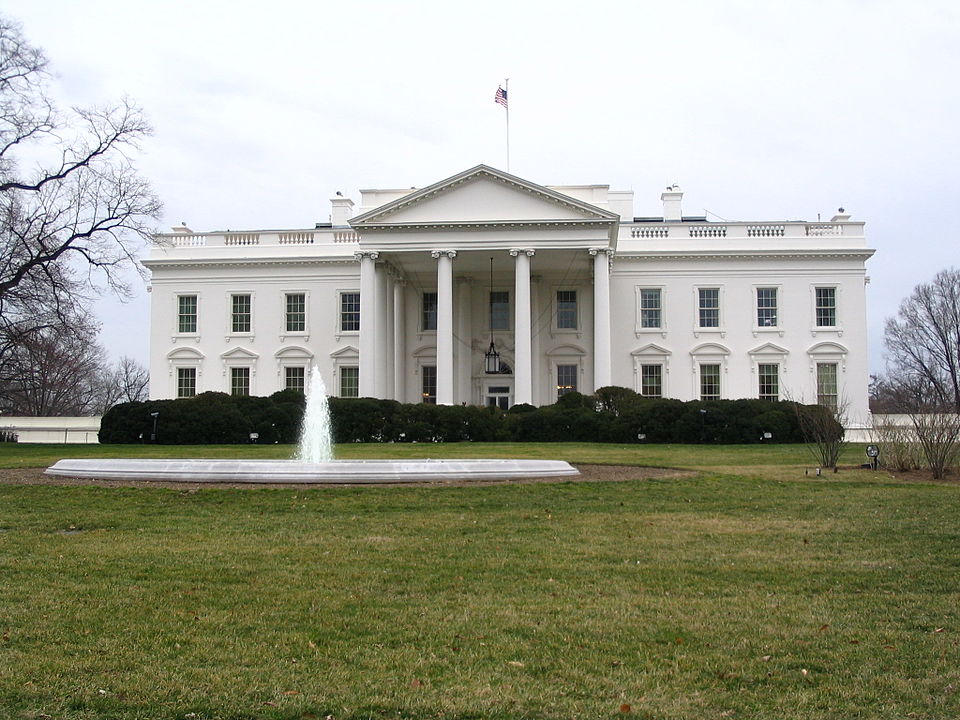
The White House reinforced that combative message in a Wednesday statement, warning that Democrats would seek to reverse administration policies on immigration, taxes, energy and other priorities.
“President Trump will never stop fighting,” the statement declared.
The administration also anticipated another impeachment effort, arguing that attempts to remove Trump or dismantle his agenda would fail. Those predictions represent the White House’s position, rather than an announced Democratic legislative program.
Trump has nevertheless left an opening for cooperation.
ABC News reported that he told Politico he was willing to work with Democrats to “make sure things go well for our country.” Asked about a possible immigration agreement, he indicated he would consider proposals he believed served the country’s interests.
That combination of negotiation and veto threats sets up a central question for the final two years of his presidency: where can the two sides reach an agreement?
A presidential veto is a substantial obstacle, but Congress can overcome it. The Senate’s official explanation states that an override requires a two-thirds vote in both chambers—a threshold that would require broader support than a simple legislative majority.
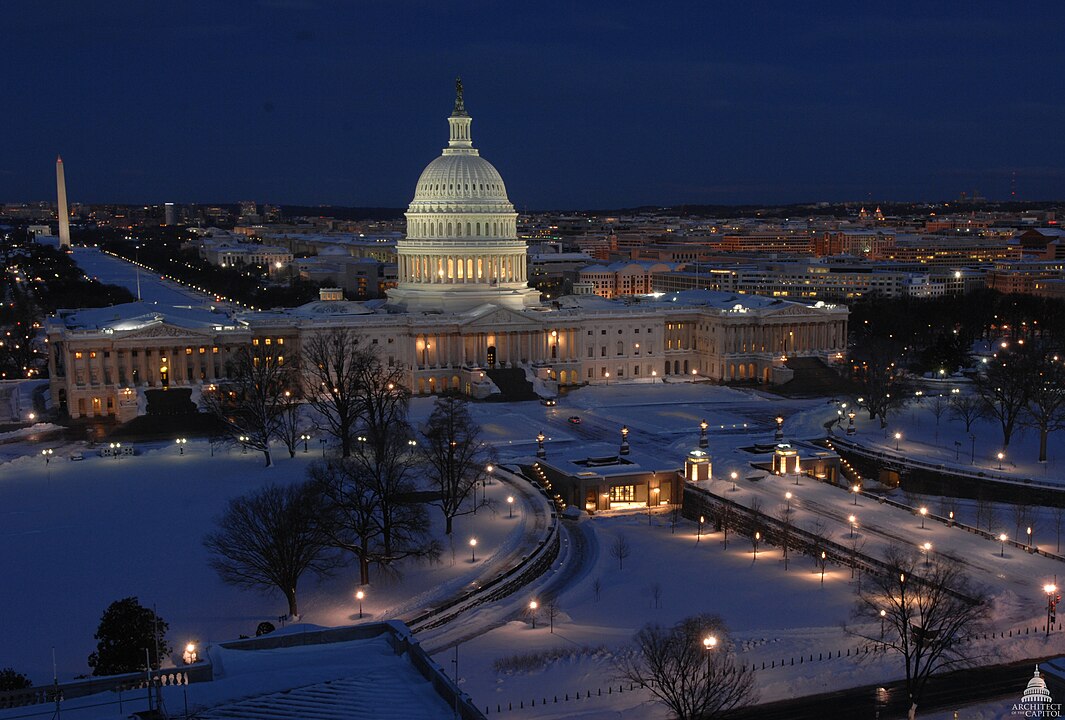
Democrats would also have tools a veto cannot neutralize. As The Wall Street Journal explained Thursday, congressional control would strengthen their ability to conduct investigations, issue subpoenas and block presidential nominees in the Senate.
The emerging fight therefore extends beyond which bills reach Trump’s desk. It will also test how effectively he can protect his administration’s priorities while facing an opposition Congress with its own sources of power.