WASHINGTON — The Trump administration has taken a significant step toward easing federal marijuana restrictions, reclassifying medical cannabis as a lower-risk drug and opening the door to expanded research and broader access for patients.
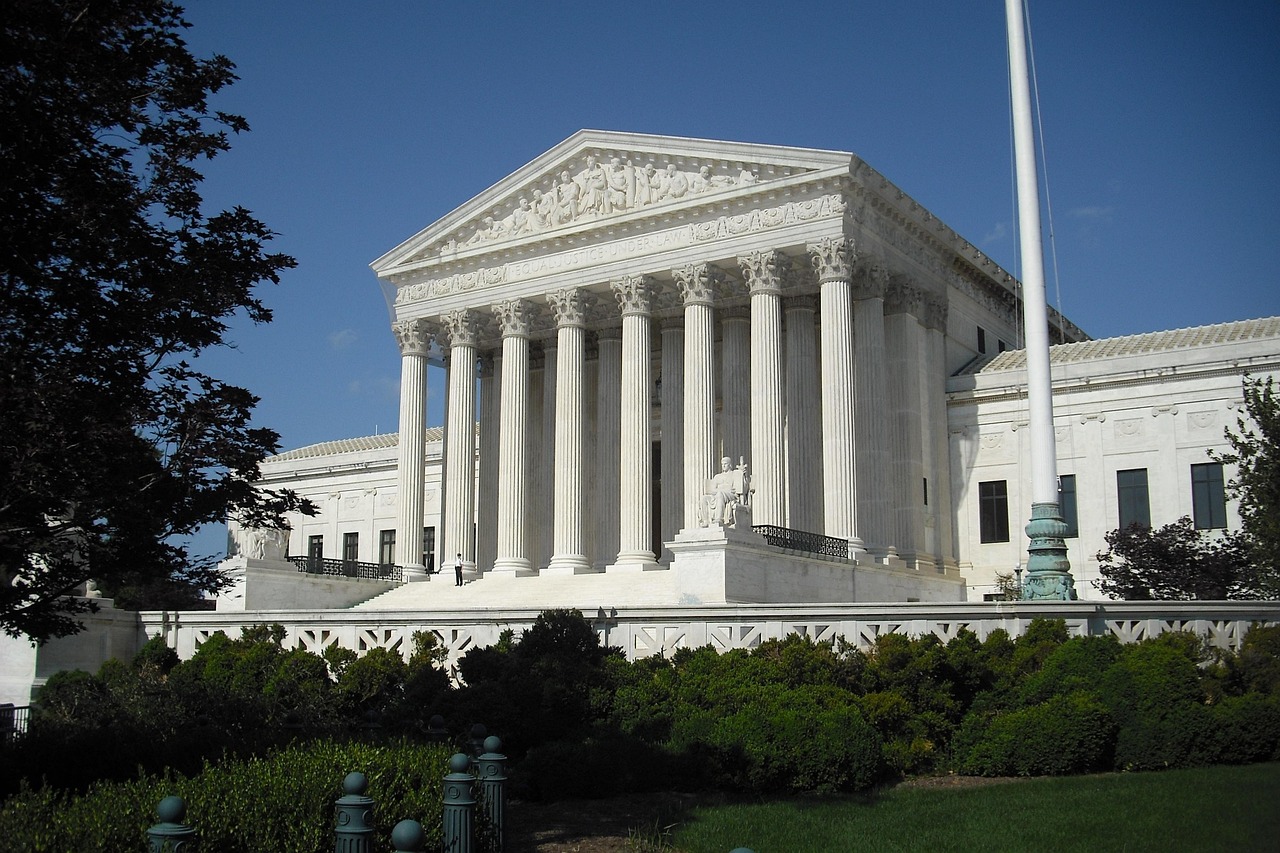
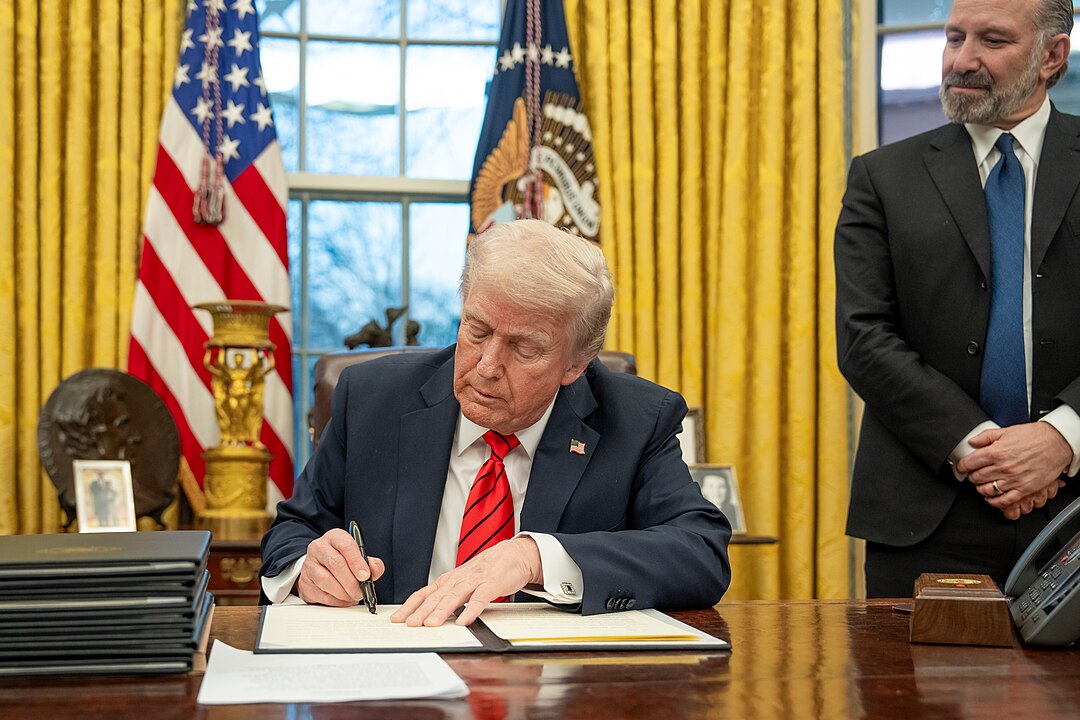
In an order signed by Acting Attorney General Todd Blanche, state-licensed medical marijuana was moved from Schedule I — the most restrictive category reserved for drugs with no accepted medical use — to Schedule III, a category that recognizes legitimate medical applications and a lower potential for abuse.
What the Change Actually Does
The move does not legalize marijuana at the federal level, but it significantly alters how it is regulated.
Under the new classification:
- Medical marijuana is formally recognized as having medical value
- Researchers face fewer restrictions studying cannabis
- State-licensed businesses can now take federal tax deductions
- A streamlined federal registration system is created for legal operators
The change also aligns federal policy more closely with the reality on the ground, where about 40 states already allow medical marijuana in some form.
A Push Driven by the White House
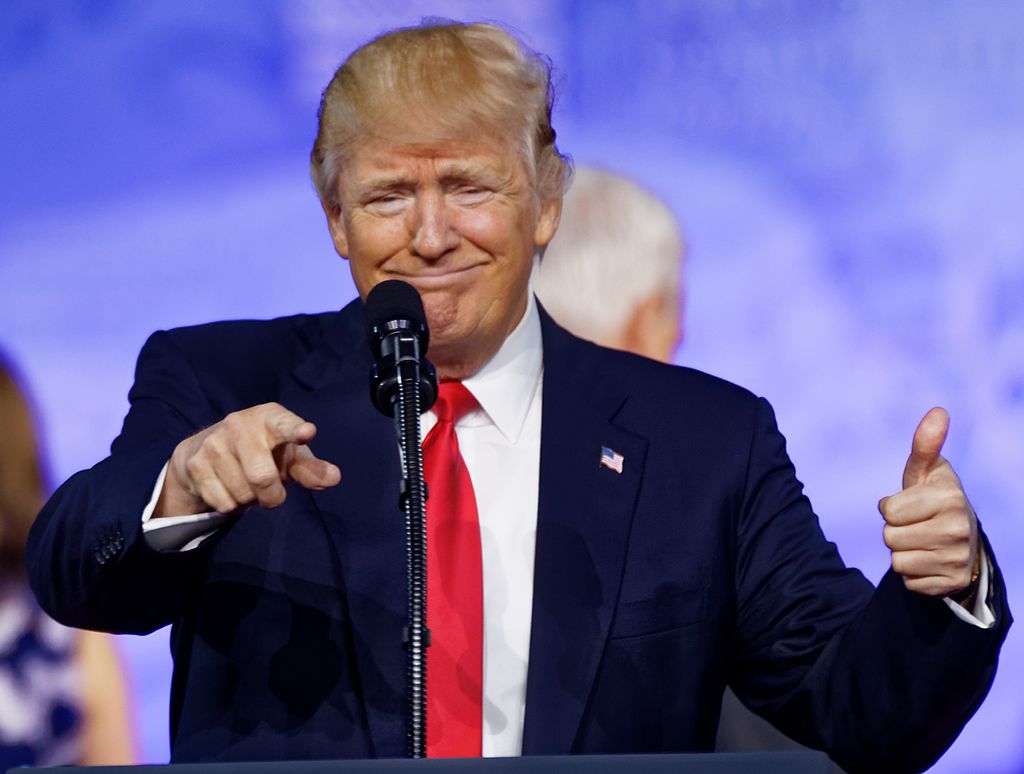
The shift follows a December 2025 executive order from President Donald Trump directing agencies to accelerate marijuana research and loosen restrictions on medical use.
Trump had publicly expressed frustration with the pace of reform, pressing officials to move faster on rescheduling and expanding access.
Administration officials framed the move as a health care-driven decision, arguing it will enable more rigorous study of cannabis and give doctors better tools to treat patients.
What It Doesn’t Do
Despite the headline shift, key limits remain in place:
- Marijuana is still illegal under federal law
- Recreational use remains prohibited at the federal level
- Interstate transport and banking restrictions still apply in many cases
In short, this is a regulatory shift — not full legalization.
Reaction: Breakthrough or Overreach?
The move has drawn mixed reactions.
Supporters — including many in the medical and cannabis industries — say the change removes outdated barriers that have long hindered research and patient access.
Critics, however, argue the administration is moving too quickly and warn the policy could benefit large cannabis companies while downplaying potential risks.
Why It Matters
The reclassification marks one of the most consequential federal marijuana policy changes in decades.
It signals a broader shift in how Washington approaches cannabis — from strict prohibition toward a more medical and research-focused framework — while stopping short of full legalization.
What Comes Next
The administration has indicated this may not be the final step.
Officials are planning additional hearings to consider whether marijuana should be further rescheduled under federal law, a move that could reshape the industry even more dramatically.
For now, the policy change represents a middle ground: easing restrictions enough to expand medical use and research, while keeping broader federal prohibitions largely intact.
READ NEXT: Fortune Dispute Brings New Scrutiny To Tucker Carlson’s Family