President Donald Trump kicked off a new back-to-school push Monday, placing parental control at the center of his administration’s education agenda and promoting new tools intended to give families more choices over where and how their children learn.
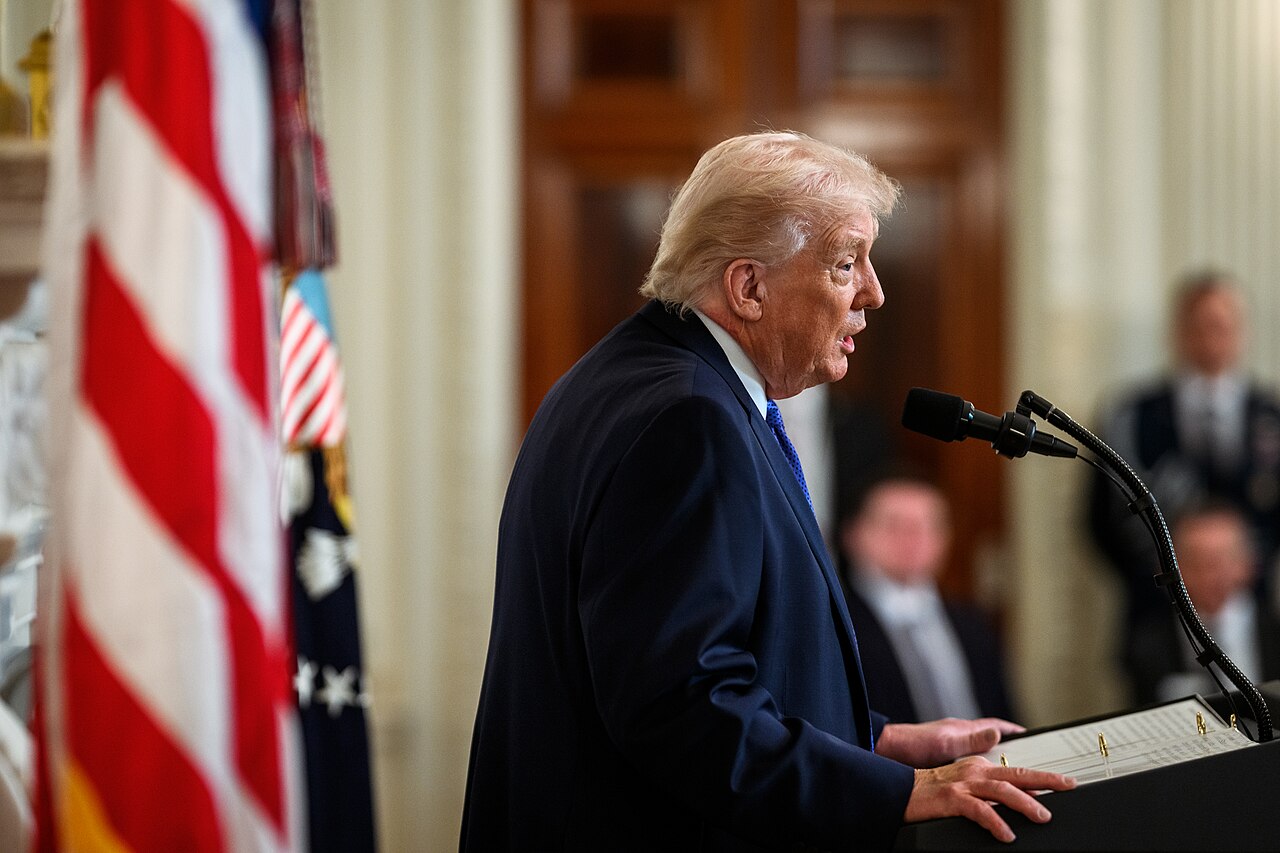
Speaking alongside Education Secretary Linda McMahon, parents, educators and students at a White House Rose Garden event, Trump pledged to expand school choice while removing what he described as “far-left extremism” from American classrooms.
“We’re putting the parents back in charge,” Trump said, according to Fox News. “They’re the ones that love our children.”
Trump argued that American families deserve stronger results from the nation’s education system and should have the ability to choose schools that reflect their needs and values.
The centerpiece of the president’s new push is the Education Freedom Tax Credit, created through Trump’s Working Families Tax Cuts Act. Beginning in January 2027, taxpayers will be able to claim a dollar-for-dollar federal credit of up to $1,700 for qualifying donations to scholarship-granting organizations.
Those nonprofit organizations will use the donations to fund scholarships for public, private and charter school students. According to a Department of Education fact sheet, eligible expenses can include private school tuition, tutoring, school fees, supplies, special-education services and after-school programs.
Families earning no more than 300% of their area’s median income will be eligible to receive scholarships in participating states. The White House estimates nearly 52 million students could qualify and says more than 30 states have opted into the program or indicated plans to participate.
The administration’s official summary of Monday’s event called the credit the country’s first nationwide school-choice program and said it would benefit families regardless of whether their children attend public or private schools.
Trump also highlighted an expansion of 529 education savings accounts. Families can now withdraw as much as $20,000 annually for eligible K-12 expenses—twice the previous limit—and use the accounts for certain homeschooling costs.
Several parents joined Trump to describe how the administration’s policies could affect their children.
Caleb Griffith, a North Carolina pastor and father of five, said two of his children have special needs and attend Cornerstone Christian Academy with assistance from the state’s Opportunity Scholarship program.
Griffith said the federal tax credit could help his family afford additional educational services.
“We only get one chance to educate our children, and our children are the future of America,” he said.
McMahon described Trump’s education agenda as a “hard reset” intended to return decision-making authority to families, educators and state officials.
“Parents are back in the driver’s seat, where they belong,” McMahon said in remarks released by the Education Department.
McMahon said six states have received the administration’s new Returning Education to the States waivers, freeing more than $100 million from certain federal requirements. She added that a record 25 states are using Ed-Flex authority to give local school districts greater discretion over federal education funding.
The White House also pointed to its $500 million investment in the Charter Schools Program, which the Education Department announced was the largest in the program’s history.
Monday’s event doubled as a progress report on Trump’s broader effort to reduce Washington’s role in education. The president has directed McMahon to transfer authority back to states and local communities while taking steps to dismantle the Education Department to the extent allowed by law.
School-choice opponents argue that policies encouraging private-school enrollment could weaken traditional public schools. The administration counters that the new credit is funded through voluntary charitable donations and does not redirect state or local tax revenue, which supplies most public-school funding.