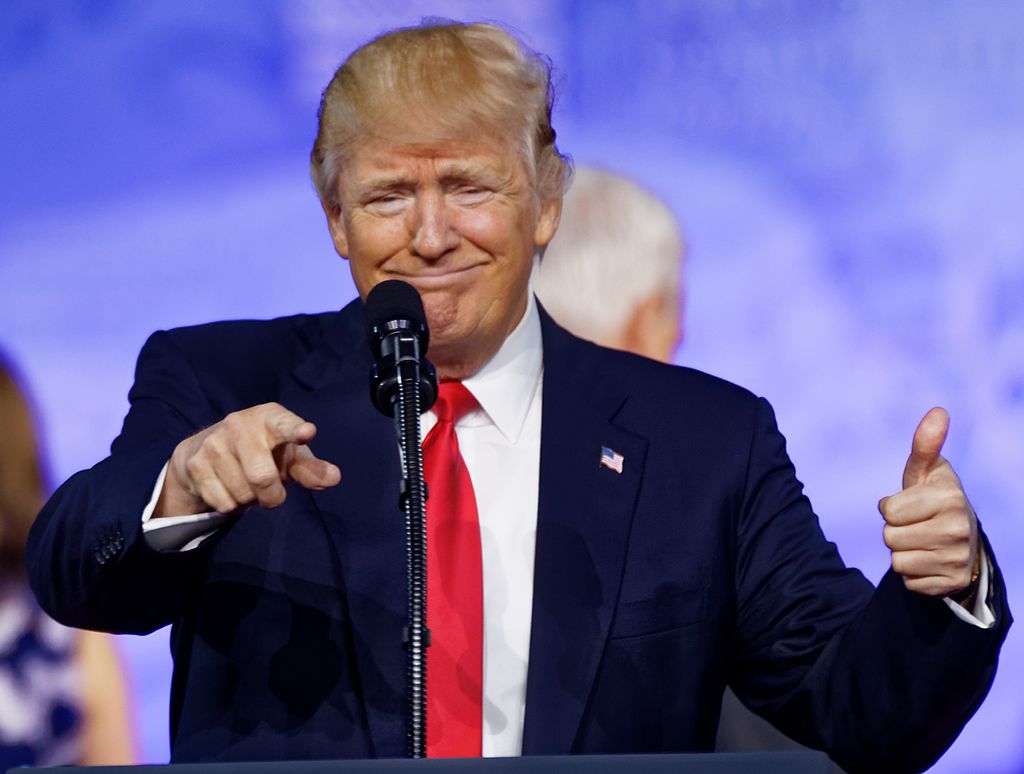
North Carolina Senate candidate and former Republican National Committee (RNC) Chair Michael Whatley announced Monday that President Donald Trump will return to the battleground state on Friday, marking yet another high-profile campaign appearance as Republicans attempt to sharpen their message heading into a crucial midterm cycle.
“I’m excited to welcome President @realDonaldTrump to Rocky Mount this Friday,” Whatley wrote on X, the social media platform formerly known as Twitter. “Let’s give him the North Carolina welcome he deserves.”
The White House later confirmed the visit to The Hill, solidifying expectations that Trump will continue increasing his domestic travel in the coming months. His aides have grown increasingly concerned that the GOP has yet to present a cohesive message on inflation and affordability, issues consistently ranked as top priorities for voters in national and state polling.
A State at the Center of National Political Attention
North Carolina has cemented itself as one of the nation’s most closely contested political battlegrounds. Though Republicans have enjoyed narrow but consistent presidential victories in the state for over a decade, Democrats remain highly competitive in statewide contests—particularly in gubernatorial and Senate races.
Trump carried North Carolina in the 2024 presidential election by just over three percentage points against former Vice President Kamala Harris, underscoring the state’s persistent political division. Even within Rocky Mount, the site of Friday’s visit, the contrast is stark:
- Nash County, which contains part of the city, voted for Trump.
- Edgecombe County, which includes the remainder of Rocky Mount, favored Harris.
This split makes the region symbolically important for both parties as they work to mobilize local voters ahead of the 2026 midterms.
A High-Stakes North Carolina Senate Race
The Senate race in North Carolina is expected to be one of the most competitive in the country. Whatley, who previously served as RNC chair during a period marked by Trump’s consolidation of influence over the party, is widely regarded as the leading GOP contender. He is likely to face former Democrat Gov. Roy Cooper, a well-known figure with deep political roots in the state—and especially in Rocky Mount, where he has longstanding community connections.
Cooper, whose tenure as governor focused heavily on education, economic development, and bipartisan dealmaking, remains popular among many moderate and suburban voters. His entry would set up a marquee race that could determine Senate control.
National Stakes for Both Parties
Trump’s visit signals how seriously Republicans are taking the state’s political landscape. The GOP is eager to strengthen Senate prospects, protect vulnerable House seats, and win over swing voters who remain concerned about rising costs of living.
Democrats, meanwhile, see North Carolina as one of their best opportunities to flip a Senate seat and reverse recent narrow presidential defeats. The state’s fast-growing metropolitan areas—particularly Raleigh, Charlotte, and the Research Triangle—continue to trend blue, increasing the importance of rural and small-town turnout for Republicans.