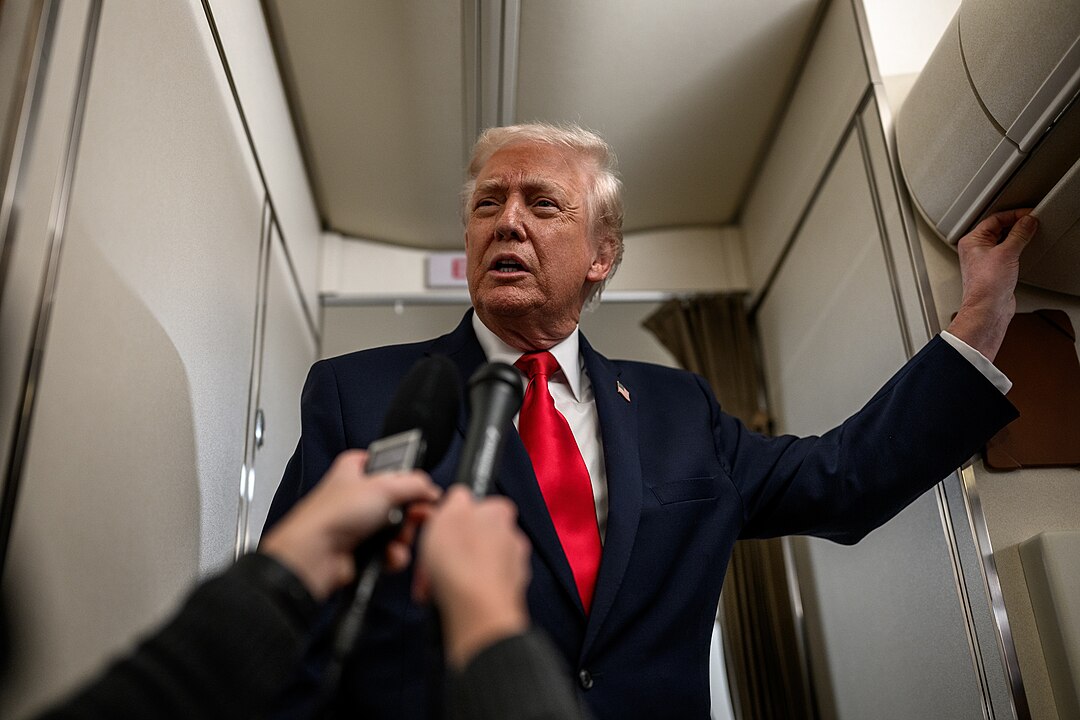
WASHINGTON — President Donald Trump has ordered the U.S. military to use lethal force against Iranian vessels laying mines in the Strait of Hormuz, marking a sharp escalation in the ongoing standoff between Washington and Tehran.
Trump said he directed the U.S. Navy to “shoot and kill any boat” engaged in mining operations in the strategic waterway, emphasizing there should be “no hesitation” in carrying out the order.
Targeting Mine-Laying Boats
Officials say the directive is specifically aimed at small Iranian vessels — often referred to as part of Iran’s “mosquito fleet” — that have been accused of deploying sea mines to disrupt shipping traffic.
The U.S. military has already stepped up mine clearing operations in the strait, a critical chokepoint through which roughly 20% of the world’s oil supply passes.
Tensions Rising Despite Ceasefire
The order comes even as a fragile ceasefire remains in place.
In recent days:
- The U.S. has seized multiple vessels linked to Iranian oil shipments
- Iran has detained foreign ships in the strait
- Maritime clashes and attacks on tankers have intensified
The latest directive signals a more aggressive posture, with analysts warning it could either pressure Iran back to negotiations — or increase the risk of direct confrontation.
Part of a Broader Blockade Strategy
The U.S. has been enforcing a naval blockade targeting Iranian ports and shipping, aiming to cut off key revenue streams and force concessions in stalled talks.
Trump has argued the U.S. now has “control” over the strait and is working to keep it open for global commerce while preventing Iranian interference.
Global Stakes
The Strait of Hormuz is one of the most strategically important waterways in the world, and any disruption has immediate ripple effects:
- Oil prices have surged amid the conflict
- Shipping traffic has been reduced or rerouted
- International efforts are underway to secure the passage
What Comes Next
The key question now is whether the order deters further Iranian action — or escalates the situation into a broader naval conflict.
With both sides taking increasingly aggressive steps, the margin for miscalculation is narrowing in one of the world’s most volatile regions.
READ NEXT: Hegseth Abruptly Removes Top Official Overseeing High-Stakes Mission